Get Full Government Meeting Transcripts, Videos, & Alerts Forever!
Get email alerts on the Labor And Employment topic
No spam. Unsubscribe anytime.
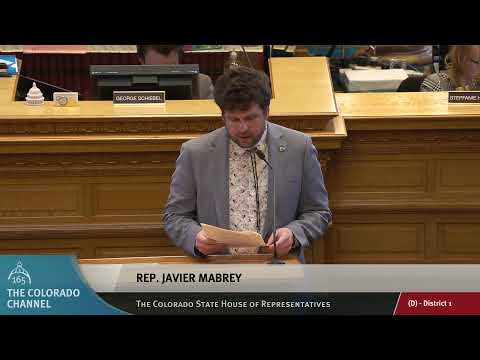
House passes expanded wage-and-hour enforcement bill after extended floor debate
Summary
House Bill 1001, which broadens wage-and-hour enforcement and clarifies municipal enforcement options, passed the Colorado House following lengthy floor debate over liability for minority owners, public naming of violators and agency resources.
The Colorado House passed House Bill 1001 on April 1 after hours of debate on amendments and policy scope. Sponsors described the measure as a tool to prevent wage theft across industries, while opponents warned it could overreach and hurt small businesses.
The bill, carried to the floor by the finance and appropriations committees, makes multiple changes to enforcement of wage-and-hour laws. Among the provisions discussed on the floor were: expansion of enforcement authority and municipal enforcement ability; a clarification that minority investors who can show no operational control may avoid liability; and a change to how public naming of violators is handled.
Representative Froelich, a sponsor, said the bill is a negotiated response to a prior veto and that it expands worker protections across industries. "Wage theft is bad for business," Froelich told colleagues, arguing unpaid wages harm workers and local economies. Opponents repeatedly described the bill as overbroad and warned it would impose significant fiscal and legal burdens. Representative Richardson proposed amendments aimed at limiting online publication of violators and protecting passive investors; one amendment that would remove a web publication requirement (L015) was rejected on the floor after debate. Another amendment to narrow attorney-fee exposure and clarify anti-retaliation timelines (L017) was adopted.
Floor debate also focused on fiscal implications and enforcement capacity. Representative Kelty and others questioned fiscal notes that projected ongoing costs for enforcement, and several members said stakeholders in the business community continued to raise concerns despite negotiations.
The Appropriations and Finance committee reports, with some sponsor-proposed amendments, were adopted on the floor. After the final series of committee-report votes and floor action, the House clerk announced: "The ayes have it. House Bill 1,001 passes."