Get Full Government Meeting Transcripts, Videos, & Alerts Forever!
Get email alerts on the Wildlife Hunting topic
No spam. Unsubscribe anytime.
When to Hunt Whitetail: Dawn, Dusk and the Rut Drive Success, Instructor Says
Summary
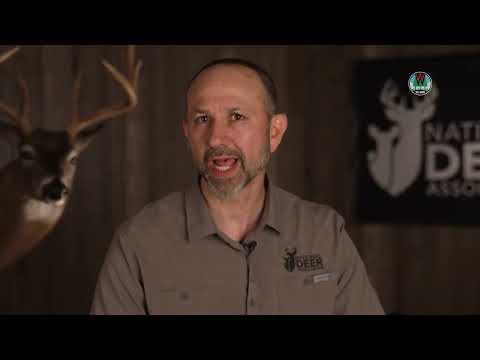
A video instructor for a National Deer Association course summarized when whitetail deer are most active, described four seasonal hunting periods, and offered practical advice on stand placement, weather considerations and managing hunting pressure.
The presenter, identified in the transcript as Presenter (Instructor), said hunters should first check their wildlife agency’s website to confirm a season is open, then plan hunts around whitetail activity peaks: dawn and dusk.
The instructor explained that white-tailed deer are crepuscular — most active at first and last light — and that the hunting season can be divided into four periods: early season, pre-rut, rut and post-rut. “I say that somewhat jokingly, but the fact is there’s never a bad time to be in the woods,” the presenter said, adding that each period has distinct advantages and tactics.
Why it matters: Understanding daily and seasonal deer behavior can change where and when hunters position stands, how often they hunt a site and how they account for other hunters’ presence. The instructor emphasized that hunting pressure, wind direction and food-source knowledge are practical factors that influence success more than moon phase or isolated weather events.
Most important facts first: The presenter said deer move daily and remain active throughout the season, but they are typically most visible at dawn and dusk when they travel between feeding areas and bedding cover. The rut — when bucks actively search for does — is the period most hunters favor because bucks move more, create rubs and scrapes, and may take greater risks. The instructor recommended long sits during the rut because bucks are “up on their feet much more visible and covering a lot of ground in search of receptive does.”
Supporting details: The early season can be productive because deer are less pressured and follow predictable food sources. The pre-rut (often beginning in October in much of the whitetail range) can be unpredictable as deer shift from summer to fall foods and may already respond to hunting pressure. After the rut, as winter approaches and food scarcity increases, deer tend to group and become more predictable around main food sources.
Weather and moon phase: The presenter said scientific studies do not show a strong link between temperature, precipitation or moon phase and the timing of deer movement; instead, he recommended using weather to your tactical advantage — for example, hunting when wind and leaf noise help mask approach, using thermal cover in cold weather, and using snow to identify fresh tracks. He cautioned that wind direction matters for avoiding detection at a stand: “Don’t go out to that stand until you get the right wind or you risk spooking deer and teaching them where your stand site is.”
Hunting pressure and stand strategy: The instructor noted that deer react negatively to hunting pressure and may take several days to resume normal activity after one or two days of heavy pressure. Hunters with limited access to land were advised to rotate among multiple stand locations or choose weekdays, when properties are less pressured by other hunters: “Mid to late week can be especially good, as deer have had time to recover from the weekend hunting pressure,” the presenter said.
Practical closing: The presenter encouraged hunters to be adaptable, to use every outing to learn the land, and to hunt whenever opportunities arise rather than waiting for ideal conditions. For further information, the video directs viewers to the National Deer Association website at deerassociation.com and to the full course on Today’s Hunter’s site.
The recording was identified in the transcript as part of the National Deer Association’s Deer Hunting 101 series and produced by a group calling itself Bearded Buck Production.