Get Full Government Meeting Transcripts, Videos, & Alerts Forever!
Get email alerts on the Grant Application topic
No spam. Unsubscribe anytime.
Wisconsin Arts Board reiterates 2,000‑word application limit, offers guidance on samples, reviewers and timing
Summary
At a Wisconsin Arts Board applicant webinar, staff said narratives must be two pages (2,000 words/4 pages), encouraged submission of audio/video samples when names aren’t finalized, described the five‑member panel review process and warned awards may be delayed by the state budget process.
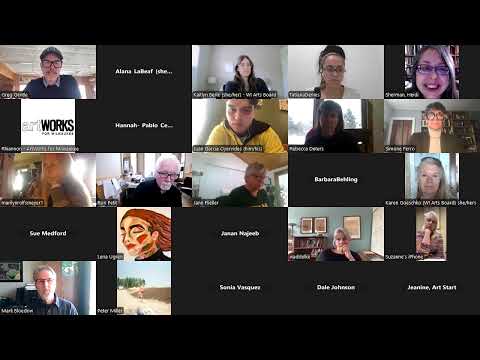
Wisconsin Arts Board staff told applicants at a virtual grant information session that narrative responses to the Creative Communities application are limited to 2,000 words (four pages) and advised on how to present artist samples, letters of support and timelines.
The board’s staff member Caitlin said, “We are sticking to 2,000 words and 4 pages.” She told applicants that if they have longer planning materials, they may upload those as support materials and direct panelists to them in the application.
Why this matters: the word limit shapes what panelists can reasonably review and affects how applicants prioritize project description, community context and evaluation plans. Staff told applicants that concise narratives, plus targeted support materials, improve clarity for reviewers.
Staff guidance and specifics
• Samples: Staff recommended submitting audio or video samples for performers when specific artist names are not finalized. Caitlin said to “share some samples of that of their work” for musicians and similar artists when details are confirmed. The panel will accept examples that demonstrate the quality of work applicants expect to engage.
• Project period and allowable expenses: The board advised applicants to budget only for activities occurring during the grant project period (07/01/2025 through the project end date before 06/30/2026). Caitlin clarified that while some preparatory work may occur before July 1, state grant funds cannot be used for activities before the award period.
• Multi‑year support: Staff noted the program can support projects for up to three years and suggested applicants consider phasing activities (for example, adding theater or dance in year two if appropriate).
• Review process and draft feedback: The board will convene five panelists to review applications. “We will have 5 panelists reviewing these applications,” Caitlin said; panelists serve as primary and secondary reviewers but all panelists will read every application at some level. Staff also offered limited draft review: the posted guideline deadline for a draft to receive staff feedback was the end of the day of the webinar, with the possibility of limited review into the following week.
• Letters of support and support materials: Staff recommended prioritizing letters from organizations crucial to project delivery and cautioned applicants not to strain relationships to obtain optional letters. If a collaborator is essential to a project’s feasibility, include a letter of commitment from that partner.
• Timeline changes and contingencies: Staff explained that award amounts could change depending on the state budget and that applicants may be asked to submit a grant proposal revision if the awarded amount is less than requested. Caitlin noted that in a biennial budget year disbursement timing can slip; “the worst case scenario year we have had… was October grant checks,” she said, advising applicants to plan contingencies and, where necessary, to use internal funds or short‑term loans until grant checks arrive.
What staff asked applicants to do next
Staff encouraged applicants to use the narrative space for the core description of the project and to place organizational history and community description in the designated application fields. Applicants were told to alert staff if they need help meeting the word limit and to use the support materials tab for supplementary evidence.
Ending
Staff closed by inviting applicants with specific budget or partnership questions to remain after the session or to follow up by email for individualized guidance.