Get Full Government Meeting Transcripts, Videos, & Alerts Forever!
Get email alerts on the Utilities Billing topic
No spam. Unsubscribe anytime.
Audit finds opportunities in Independence utility billing; recommends automated meters, clearer customer communications
Summary
A city audit and related 2018 and 2024 reviews found technical and process issues in water, sewer and electric billing. The audit recommends automated meter infrastructure, clearer customer communications, strengthened internal controls and formalized dispute and write-off procedures.
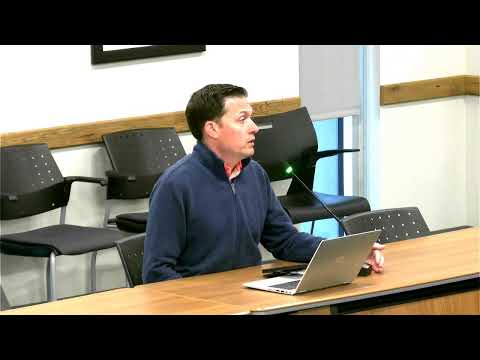
City auditors and staff reviewed Independence’s utility billing operations and told the Audit and Finance Committee the system is broadly functioning but has multiple technical and process improvements to reduce errors, improve customer clarity and limit staff dependency on a few experienced employees.
The auditor recapped prior reviews — a 2018 Reuben Brown process review and a 2024 business process review — and said many of their findings remain relevant. The combined findings cited manual meter reads for water and electric, write-off and collections inconsistencies, default data restrictions in the billing software, unclear transaction codes, and limited segregation of duties.
The audit team recommended the city accelerate implementation of automated meter infrastructure (AMI). Staff and committee members said AMI would allow near‑real‑time usage visibility, help detect leaks earlier, and reduce field visits for service disconnections. Deputy Director of Municipal Services Matt McLaughlin joined the meeting and said staff are prioritizing the larger technology and collections items and can address detailed technical questions through the customer service manager, who was not present.
On rates and bill structure, auditors noted: water base charges vary by meter size, sewer charges are volume‑based and linked to water use (there are no separate sewer meters), and electricity bills include a power supply cost adjustment and a payment in lieu of taxes (PILOT) line. The auditor said water rates have not increased since 2016 and sewer since 2020 (as presented in the review). A committee member asked whether sewer consumption uses a winter baseline; the auditor said she would research and report back.
The committee discussed a regulatory compliance charge included in sanitary sewer bills that auditors said was set up to repay debt from federally required sewer improvements under a consent decree. At the meeting a committee member clarified the regulatory compliance fee is scheduled to remain in effect through 02/1942 (as stated in the transcript). The committee requested staff confirm that schedule in writing.
Other recommendations included: stricter, granular system access controls; routine system audits; clearer transaction codes and payment allocation rules; standard operating procedures for dispute resolution; a documented write‑off process and use of collection agencies where appropriate; and better public communications to increase awareness of assistance programs and seasonal billing impacts.
Staff said many of the software and process fixes are underway and that they will provide a fuller status update at the committee’s April meeting. Staff also noted safety and operational benefits from AMI, such as reducing the need for field personnel to perform manual disconnects.
The committee heard several operational clarifications from staff, including that disconnection procedures follow state statute and that disconnections are subject to weather exceptions (for example, forecast temperatures below freezing or extreme heat). The committee asked for follow‑up on the timing of the regulatory compliance charge, the feasibility and timeline for AMI, and the status of write‑off and tax‑coding corrections.