Get Full Government Meeting Transcripts, Videos, & Alerts Forever!
Get email alerts on the Open Meetings Remote topic
No spam. Unsubscribe anytime.
Hubbard County to seek bylaw change clarifying remote meeting rules, roll-call when needed
Summary
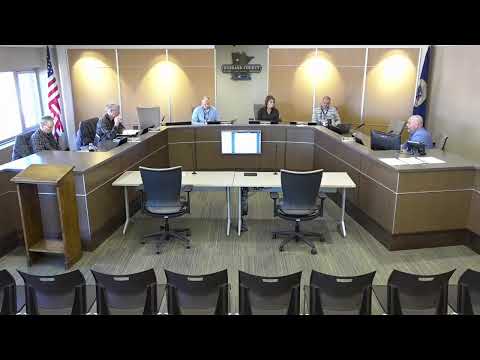
Hubbard County officials agreed during a March work session to place an amendment to the county bylaws on next week’s agenda that would spell out rules for remote participation in meetings covered by Minnesota’s open meeting law.
Hubbard County officials agreed during a March work session to place an amendment to the county bylaws on next week’s agenda that would spell out rules for remote participation in meetings covered by Minnesota’s open meeting law.
Staff said the draft language is a direct recommendation from the Minnesota Counties Intergovernmental Trust (MCIT) and would make explicit when remote attendance is allowed, how it must be announced and where the remote location is posted. The staff member leading the discussion said, "the requirement is that we have a roll call vote anytime we have somebody posting of the address," and noted the rule reflects older practices from telephone meetings.
The proposed update would apply to all meetings governed by the open meeting law, including county bodies and any committee or subcommittee granted authority to act, the presenter said. The draft also includes an exception that would allow a member to attend remotely without the standard notice when serving in the military or when advised by a health professional that they should avoid public places; that exception is limited to three such attendances per year per member.
Commissioners discussed practical implications. One commissioner said performing roll-call votes for large bodies that meet remotely can be “super cumbersome,” while others noted that for a five-member board the requirement is less onerous. The board reached consensus to add the bylaw amendment for formal action at next week’s meeting.
The discussion also flagged related steps for other bodies that interact with the county: staff recommended discussing the change with the Heritage Board, which has previously taken remote participants by phone.
The work session did not include a final vote on the bylaw language; the board directed staff to place the amendment on the regular meeting agenda for consideration and formal action next week.