Get Full Government Meeting Transcripts, Videos, & Alerts Forever!
Get email alerts on the Opioids topic
No spam. Unsubscribe anytime.
Cook County expands opioid prevention, treatment and recovery work under HRSA RCORP grant
Summary
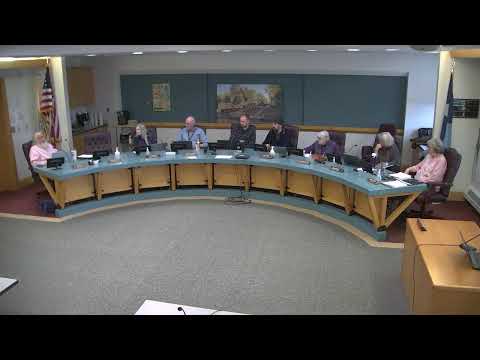
Andrea Oras, public health educator with Cook County Public Health, and Leigh Thompson, outreach coordinator at Sawtooth Mountain Clinic, told the board March 18 that four years of HRSA Rural Community Opioid Response Program (RCORP) funding expanded naloxone distribution, medication‑assisted treatment capacity and community prevention and recovery supports across Cook County and Grand Portage.
Andrea Oras, public health educator with Cook County Public Health, and Leigh Thompson, outreach coordinator at Sawtooth Mountain Clinic, told the board March 18 that four years of Health Resources and Services Administration (HRSA) Rural Community Opioid Response Program (RCORP) funding has expanded prevention, treatment and recovery work across Cook County and Grand Portage.
The presenters said the RCORP implementation grant supported countywide naloxone (Narcan) distribution and training, youth and adult mental health first‑aid training, expanded medication‑assisted treatment (MAT) capacity at local clinics, peer recovery supports and a regional prevention coalition. "The only bottom that really matters is death. And if a person has a chance to, stay alive, then they have a chance to recover," Oras said, describing the grant’s emphasis on risk‑reduction to keep people alive while they pursue recovery.
The nut of the presentation was that grant funding built local capacity rather than only paying for isolated projects: staff described partnerships with Grand Portage Health Services and Grand Portage Human Services, Sawtooth Mountain Clinic, local schools and regional organizations such as Harm Reduction Sisters and Native American Community Clinic. Oras said the RCORP poster presented at a Washington, D.C., reverse site visit highlighted four years of countywide work and that the RCORP grant sunsets in August.
Most important program details
- MAT capacity: Staff reported that the local MAT program — Suboxone (buprenorphine)‑based treatment — grew from 11 to 17 enrolled patients and from 2 to 4 prescribing providers after policy changes removed a waiver barrier. Leigh Thompson said of MAT: "We like to think of it like you would think of insulin for diabetes," describing MAT as an ongoing treatment that stabilizes patients.
- Naloxone and risk‑reduction supplies: The county distributed naloxone kits, "leave‑behind" overdose prevention kits, fentanyl test strips and trained community members in naloxone administration. Presenters said naloxone training is offered at no cost to community members using opioid settlement funds, and local trainers can deliver sessions for organizations and fire departments.
- Recovery supports and peer services: Grand Portage Human Services hosted sobriety feasts and supported peer recovery specialists; the presenters noted peer recovery work has been strengthened and that the organization is expanding peer recovery positions with separate funding.
- Prevention and youth work: The county funded youth mental health first‑aid training for two local school staff to become local trainers and supported youth programs, summer activities and stigma‑reduction media work. Presenters said prevention initiatives will be increasingly youth‑driven through a developing youth coalition.
Planned or pilot initiatives
- Lockbox distribution: Using opioid settlement funds and grant partnerships, PHHS will distribute medication lockboxes through Sawtooth Mountain Clinic, Grand Portage Health Services, Grand Portage Human Services and PHHS case managers; the effort will prioritize households with young children and elders.
- Public health vending machine pilot: The department plans a one‑year pilot of a public health vending machine to test 24/7 access to risk‑reduction and basic personal‑care supplies. Oras said the county will seek building committee approval to install a machine in the courthouse for one year and evaluate usage and community feedback before expanding. The presenters described the outdoor, temperature‑controlled machine option and an approximate upfront cost for the outdoor unit of about $9,000. Initial stocked items listed for the machine included nasal naloxone, fentanyl test strips (packets of five), condoms (multiple types), pregnancy tests, HIV test kits, basic personal‑care items (toothbrushes, toothpaste, socks), cold‑weather items (hats, gloves), protein drinks and snacks.
Questions from commissioners and staff
Commissioners asked about origins of the opioid crisis, outcome measures for treatment and the sustainability of positions created with grant funds. Oras and Thompson said the RCORP grant helped create capacity that the clinic expects can be sustained in part through insurance reimbursements as new providers are established, and by linking projects to other funding sources such as HRSA behavioral health expansion grants and opioid settlement funds. When asked about treatment effectiveness, Thompson said long‑term sobriety depends on how success is defined: "When we talk about a successful recovery, it really is defined for the person," she said, noting that for some people staying alive is a key success metric.
Operational notes and next steps
- Sawtooth Mountain Clinic received a HRSA behavioral health expansion grant and recently hired a behavioral health director; the clinic expects to hire an additional therapist to expand services and peer recovery work.
- The prevention coalition created under the RCORP work completed bylaws and will focus next on cannabis education and asset mapping; the coalition meets monthly and staff asked the board for a commissioner representative.
- The vending‑machine pilot will be taken to the building committee for site approval; staff plan community outreach, inventory tracking and a one‑year evaluation period.
Board and staff context
Presenters and commissioners repeatedly emphasized that the county is sparsely populated and programs often need to be countywide rather than hyperlocal. Commissioners praised capacity built since 2020 and pressed staff on sustainability and how community partners — including volunteer fire departments, search and rescue, and schools — can be incorporated into training and distribution plans.
Why this matters
Staff framed the grants and pilots as investments to keep people alive and connect them to treatment and recovery services, while expanding prevention and youth supports. With the RCORP grant ending in August, the presenters emphasized the need to align multiple funding sources (opioid settlement funds, HRSA behavioral health grants, Minnesota Department of Health prevention grants) to maintain gains.
Ending
The board did not take formal action on specific opioid policy at the March 18 meeting; staff will present the vending‑machine proposal to the building committee and asked the board to consider a commissioner appointment to the prevention coalition. The department will continue outreach and report back on pilot results and sustainability planning.