Get Full Government Meeting Transcripts, Videos, & Alerts Forever!
Get email alerts on the Winter Operations topic
No spam. Unsubscribe anytime.
Cook County committee reviews rewritten snow-removal policy formalizing current practice
Summary
County highway staff presented a one-page rewrite of the county's snow-removal policy March 18, formalizing existing practices including 4 a.m. dispatch, end-of-day stop times, route priorities (buses, Gunflint Trail) and different treatment for gravel roads.
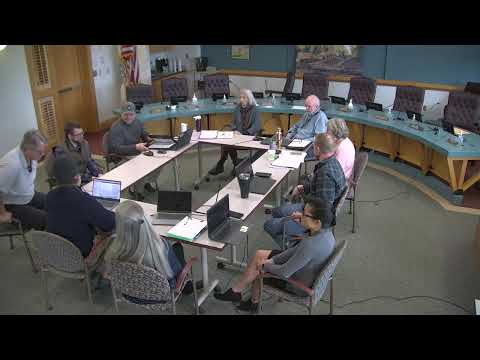
Cook County's Committee of the Whole on March 18 reviewed a rewritten county snow-removal policy that county highway staff said primarily clarifies wording and documents current practice rather than changing service levels.
The rewrite "reflects sort of what has become practice," highway staffer Matt told commissioners, explaining that crews are typically dispatched at 4 a.m. "with the goal of making the roads safe by the time people are either going to work or buses are out, picking kids up for school." He added, "We generally speaking will ... stop, removing snow by 4PM." The document also records when the department calls out crews (after about two inches of accumulation), how gravel roads are handled and how the county coordinates with school bus operators and the sheriff's dispatch.
Why it matters: the one-page rewrite is meant to set clear public expectations and create a concise, transferable record of highway practice, county staff and commissioners said. That is intended to help on-call staff and new hires follow a predictable routine and to reduce confusion when residents call asking when a particular road will be plowed.
Key details from the draft: county staff said a first pass over all routes takes about eight hours; higher-traffic routes such as the Gunflint Trail are prioritized earlier; gravel roads are maintained as "winter roads" (hard-packed) to protect gravel surfaces rather than striving for a completely bare pavement; and salt-sand is used selectively on hills, corners and intersections rather than spread across entire long county routes.
Staff described coordination arrangements: the policy notes ongoing conversations with ISD 166 about bus-stop changes; an after-hours process via sheriff's dispatch for emergencies; and recognition of a longstanding agreement with the City of Grand Marais on which city streets the county plows and why that will be referenced in the draft.
Commissioner questions and next steps: commissioners asked whether the rewrite changed service levels or was mostly wordsmithing. Matt and another highway staffer, Robbie, said the update is "wordsmithing mostly, but then also slight... changes in hours of operation" that reflect current practice. Commissioner Gamble asked for specifics on what was different from the older policy; staff said the document shortens long paragraphs into concise bullets and clarifies a few timing exceptions. Commissioner Sullivan thanked staff for a clear, concise policy that should reduce calls from constituents about when crews will appear.
No formal vote was taken; staff said if public feedback and committee comments are minor, they will place the policy on the board agenda for adoption at an upcoming meeting.