Get Full Government Meeting Transcripts, Videos, & Alerts Forever!
Get email alerts on the Education Budget topic
No spam. Unsubscribe anytime.
JFAC advances State Board of Education budget changes, removes $5 million in-demand grant language
Summary
The Joint Finance‑Appropriations Committee approved supplemental and FY‑2026 changes to the Office of the State Board of Education budget, including a $20,000 FY‑25 supplemental, a FY‑26 package adding one full‑time position and $360,700 in combined funding, and the deletion of language tied to a previously proposed $5 million in‑demand grant.
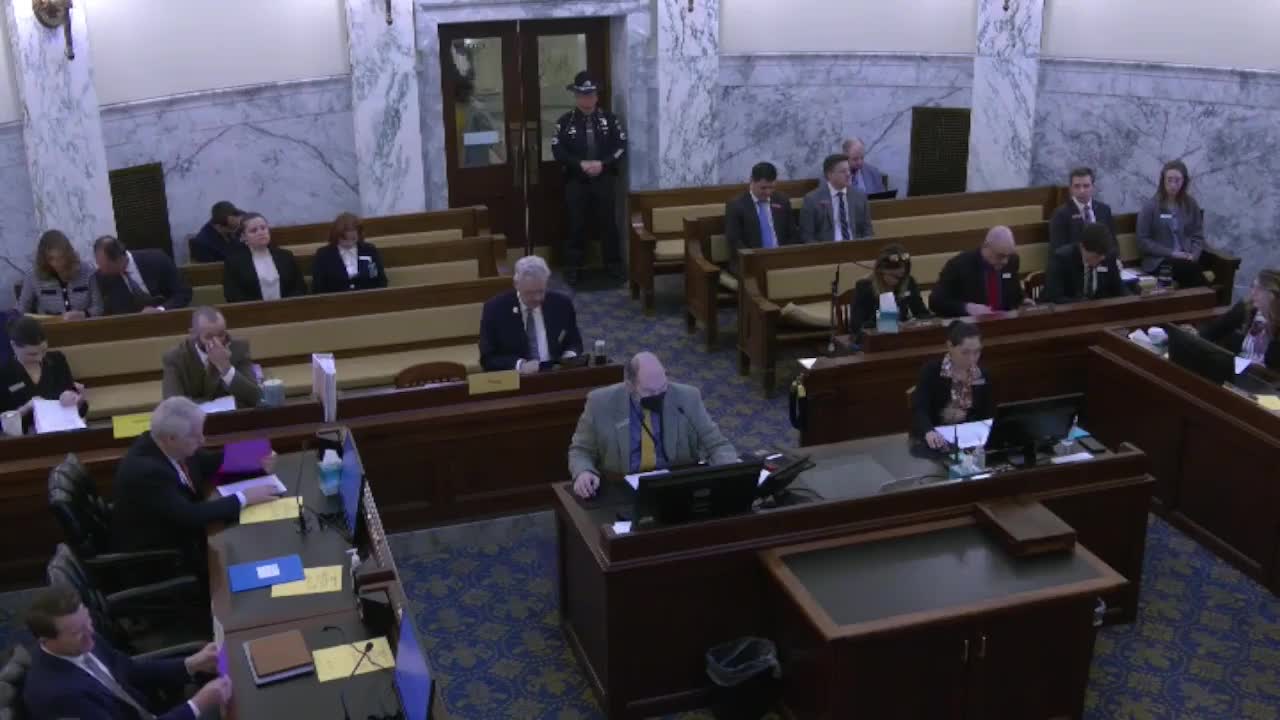
The Joint Finance‑Appropriations Committee on an 17‑3 vote on [date not specified] approved a set of budget motions affecting the Office of the State Board of Education, including a FY‑2025 supplemental, a FY‑2026 program maintenance package and removal of language tied to a $5 million in‑demand grant.
Kevin Campbell, a budget and policy analyst with the Legislative Services Office, told the committee the items before members included a FY‑2025 supplemental for a $40,000 credit mobility grant and a separate small supplemental motion for FY‑2025. "The credit mobility grant ... is a $40,000 grant, which extends from January 2025 to January 2026," Campbell said. He identified the Office of the State Board of Education item in the legislative budget book.
The committee approved a FY‑2025 supplemental motion to add $20,000 from the miscellaneous revenue fund; Representative Petzke seconded the motion and the committee recorded a unanimous vote (20 ayes, 0 nays across both chambers as recorded for the motion). The committee then considered a larger FY‑2026 program maintenance motion that would add 1 FTE and $229,200 from the general fund plus $131,500 from dedicated funds (a combined total of $360,700). Representative Petzke moved that package, which included funding lines for a database engineer, a $10,000 software support contract, $35,000 for cybersecurity testing, $12,500 for marketing, $20,000 for the credit mobility grant, $99,000 for replacement vehicles and $40,000 for OITS hardware.
During debate, members discussed the deletion of previously proposed funding. One senator noted the budget removes a $5 million proposal that had been included earlier for an "in‑demand" initiative; members described that removal as necessary after the measure failed on the House floor. Senator Wintrow said removing the $5 million entirely was "extremely unfortunate," and warned it would affect an existing wait list for training programs in health care and other fields. Senator Ward Engelking and others said students and workforce pipelines could be affected if capacity is not increased. Representative Petzke and other supporters said the committee had funded other education priorities elsewhere in the budget, including $10 million for technical school wait lists and funds in the permanent building fund for campus facilities.
The FY‑2026 motion passed with a recorded total of 17 ayes and 3 nays. After passage the committee reviewed and approved language changes associated with the package; a reappropriation language motion passed by roll call with a recorded total of 18 ayes and 2 nays.
The motions approved are redesigns of choices the committee has been considering during this session; members said some cuts reflect what they believe can pass both chambers. The analyst and committee sponsors described the approved amounts as the current compromise that preserves other budget priorities while removing the larger $5 million in‑demand funding from the package.
Motions and votes are official committee actions and will be included in bills moving forward to the full legislature.