
State Department: Markets reacting to tariff reset, not collapsing economies
Get AI-powered insights, summaries, and transcripts
Subscribe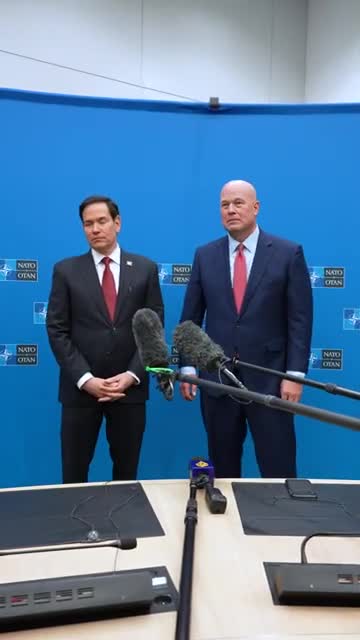
Summary
At a State Department briefing, the Secretary of State defended the administration's tariffs as a reset of global trade rules and said markets are reacting—not national economies collapsing—while urging clarity for businesses.
The Secretary of State said Thursday that recent market declines reflect investors adjusting to a sudden shift in trade rules rather than widespread economic collapse. "If you're a company and you make a bunch of your products in China ... your stock is gonna go down," the secretary said, adding that markets will adjust once the rules are clear.
The administration frames higher tariffs as a deliberate effort to "reset the global order of trade," the secretary said, arguing the United States must restore domestic manufacturing. "We need to get back to a time where we're a country that can make things," he said, linking the policy to job creation and U.S. competitiveness.
Why it matters: Market volatility can affect investment, pensions and corporate planning; the secretary said predictability about future rules is the key for businesses to adapt. He rejected the characterization that national economies are "crashing," saying instead that stock markets were reacting to a change in production costs for firms with supply chains in China.
At the briefing, reporters pressed about who would bear near-term costs and how long disruptions might last. The secretary said the administration intends to sustain the policy long enough to reshape trade patterns and help U.S. manufacturers, but he did not provide a timetable for when market volatility might subside.
The secretary also reiterated a broader critique of current global trade balances with China, saying the administration views the prior status quo as "bad for America and good for a bunch of other people." He urged businesses and markets to adapt once rules are spelled out, saying, "Once they know what the rules are, they will adjust to those rules."