Get Full Government Meeting Transcripts, Videos, & Alerts Forever!
Get email alerts on the Mdot Overview topic
No spam. Unsubscribe anytime.
MDOT director briefs committee on agency role, system size and funding sources
Summary
The Michigan Department of Transportation director gave a broad overview of MDOT's structure, modes, maintenance approach and funding sources, emphasizing a shift to people- and economy-centered outcomes and the need for sustainable, long-term revenue.
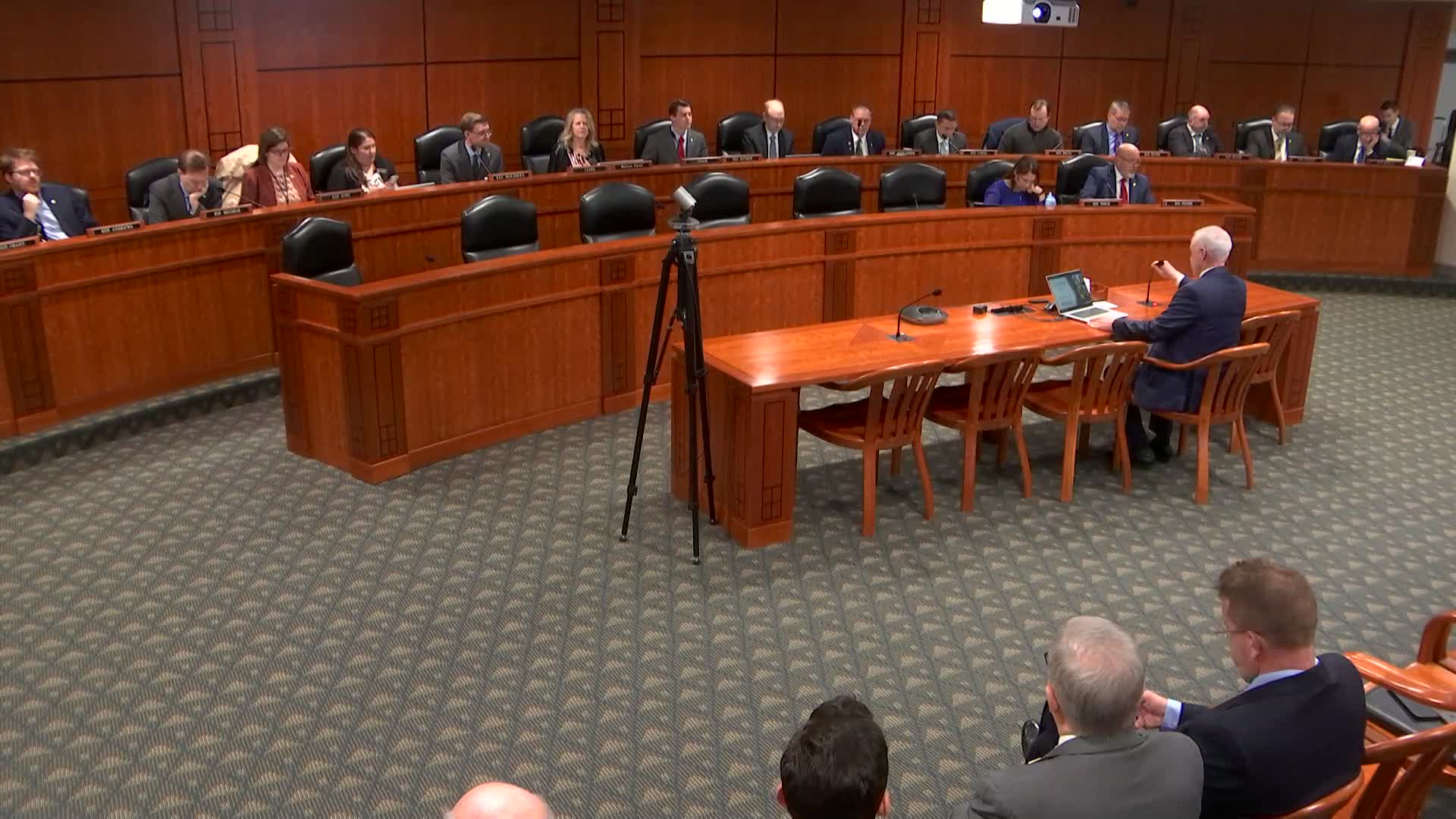
The Michigan Department of Transportation (MDOT) director presented an overview of the department's responsibilities, system scale and funding sources to the House Transportation and Infrastructure Committee.
In a presentation the director described MDOT's shift from an exclusive focus on infrastructure condition to a broader emphasis on how the transportation system "serves people, communities, and the economy." The briefing outlined MDOT's organizational components, its seven regional offices, and the department's multimodal responsibilities that include trunk-line roads and bridges, passenger transportation, aeronautics, marine and rail oversight.
Key points from the presentation
- System scale: MDOT said Michigan has more than 20,000 miles of roadway and more than 11,000 bridges across more than 600 jurisdictions. The trunk-line system comprises roughly 8% of the road miles but carries a large share of commercial traffic.
- Organizational structure and operations: MDOT uses a mix of in-house work and consultant contracts for design and construction. The director said roughly a 50/50 split existed on design work (noting the department's latest available internal snapshot was from 2020) and described a primarily low-bid contracting environment with selective use of design-build and progressive design-build on complex projects.
- Maintenance delivery: MDOT operates garages and equipment in 31 counties and contracts with county road agencies or municipalities in about 60 counties. The department runs several roadside parks and 77 rest areas on non-freeway systems.
- Funding: The director described the Michigan Transportation Fund (MTF) receipts (vehicle registration fees and fuel taxes are significant components) and federal aid. The transcript cited MTF near $4.0 billion and federal aid receipts around $1.7 billion, with Act 51 governing distribution between trunk lines and local roads.
- Asset-management goals: The department referenced a long-term goal to have 90% of pavement in good or fair condition and said that without sustainable funding the condition curve will decline. The director pointed to past recovery and priority investment programs that temporarily improved conditions.
- Multimodal and active transportation: MDOT said it approaches projects using context-sensitive design and complete streets where appropriate, and that nonmotorized infrastructure (bicycle lanes, paved shoulders) has received increasing attention and federal funding options (Transportation Alternatives, Recreation Trails).
Questions from members covered cost controls, the department's use of innovation and performance metrics, the difference between low-bid and design-build contracting, and how MDOT coordinates with local agencies on maintenance and permitting. The director said MDOT uses performance metrics and innovation, conducts standing meetings with permitting agencies to shorten review times, and prefers to select contracting methods to fit project complexity.
Representative Koontz and others asked for documentation on innovations, lifecycle cost analysis and how MDOT ensures value-for-money on projects. The director offered to follow up with additional material.
Representative Preston and other members raised permitting and National Environmental Policy Act (NEPA)-related review timelines as cost drivers. The director said the department meets regularly with EGLE, DNR and federal partners to minimize delays while preserving review value.
The director also described cooperative arrangements for major international crossings and bridges (Ambassador Bridge, Mackinac Bridge Authority, Detroit-Windsor Tunnel and Gordie Howe Bridge) and noted public-private partnership examples used for freeway lighting and I-75 work.
The department concluded by saying it values stakeholder engagement and indicated willingness to return for follow-up briefings on funding and program details.