Get Full Government Meeting Transcripts, Videos, & Alerts Forever!
Get email alerts on the Department Of Public Health Nomination topic
No spam. Unsubscribe anytime.
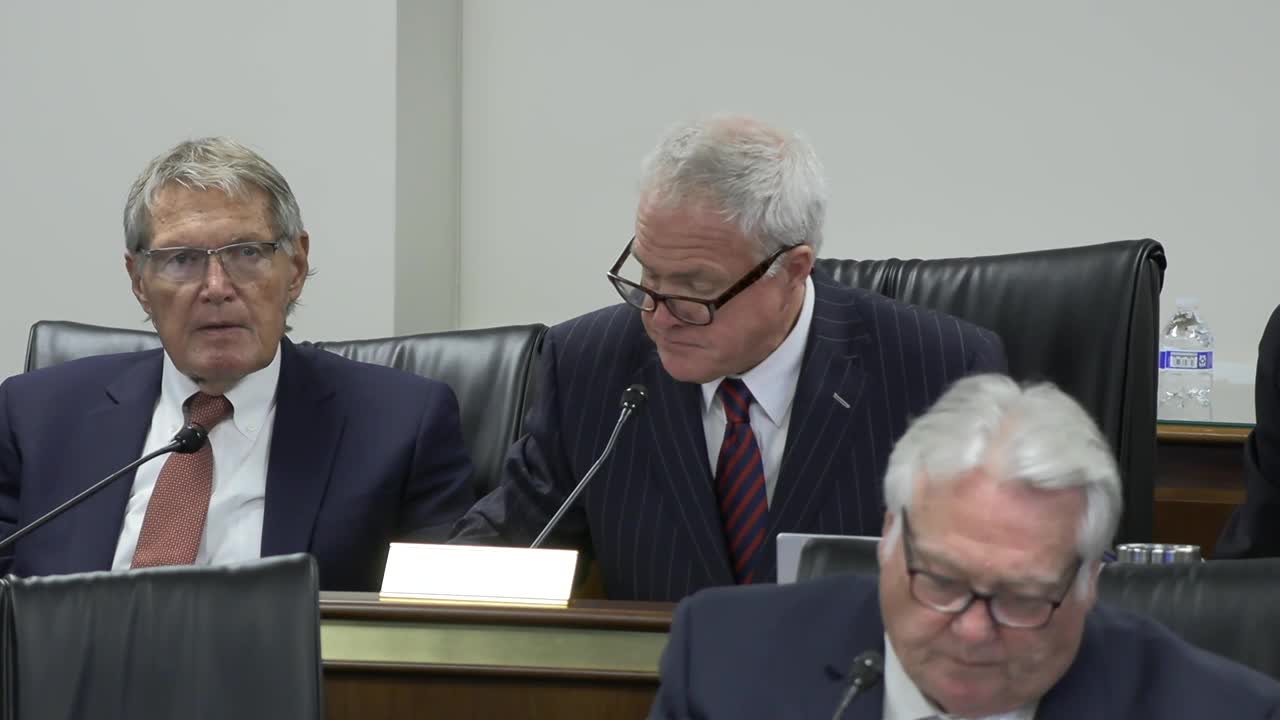
Senate Medical Affairs Committee advances DPH nominee after hours of questioning on COVID-era decisions
Summary
The South Carolina Senate Medical Affairs Committee voted to give a favorable report on the nomination of Dr. Simmer to be director of the newly formed Department of Public Health after extended questioning about DHEC’s COVID‑19-era policies.
The South Carolina Senate Medical Affairs Committee voted to give a favorable report on the nomination of Dr. Simmer to be director of the newly formed Department of Public Health after a lengthy confirmation hearing that focused on the state agency’s COVID‑19-era policies.
The committee’s questioning centered on Simmer’s leadership of DHEC during the pandemic, including aggressive vaccine promotion, support for masking in schools, use of opt‑out forms, and how the agency handled reports of possible contaminants and vaccine side effects. Several senators said those issues bear directly on whether Simmer should lead the state’s public health agency during future emergencies.
The hearing drew sustained questioning from senators on several topics: whether various DHEC outreach and incentive programs—mobile clinics, school‑based clinics and community events—undermined informed consent; why mask guidance changed between May, June and August 2021; whether DHEC followed CDC guidance “lockstep” or adapted recommendations for South Carolina; and what follow‑up DHEC conducted on research presented by University of South Carolina researcher Dr. Buchholz alleging possible DNA contamination in some vials.
Simmer, the nominee and a former U.S. Navy physician, defended the agency’s 2021 decisions as grounded in available evidence at the time and said the agency did not force vaccines or quarantine individuals for COVID‑19. “I have never forced a vaccine on anyone and never would,” Simmer told the committee. He said DHEC provided informed‑consent documents at vaccine clinics, that parents could opt children out of school mask recommendations, and that DHEC sometimes adopted approaches different from CDC guidance — for example, recommending earlier return to school after exposures in some districts.
On the question of follow‑up with Dr. Buchholz, Simmer said DHEC offered to speak with him, and that he discussed a proposed follow‑up research project with Buchholz’s supervisor at the University of South Carolina. Simmer told senators he reviewed and suggested improvements to a proposed research plan but had not been informed whether that plan was completed.
Several senators pressed Simmer on safety signals and reporting. Committee members and witnesses cited Vaccine Adverse Event Reporting System (VAERS) entries and other counts mentioned during the hearing; Simmer said state public‑health staff lack direct access to all federal VAERS case details and that DHEC does not currently have the staff or a statewide adverse‑event investigation system capable of reviewing thousands of VAERS reports. He recommended building a state data collection and review system and said that would require additional staff and funding.
Senators also debated the reach of South Carolina’s emergency public‑health powers, which the transcript identifies as South Carolina Code sections 44‑4‑530 and 44‑4‑540. Several senators said the existing statutory language gives broad detention and quarantine powers; others argued the statute should retain flexibility for truly extraordinary threats such as Ebola. Simmer told the committee he has used quarantine and isolation authority “with great discretion, almost never,” and that he would oppose routine use of those powers for COVID‑19.
Public‑health priorities Simmer emphasized include infant and maternal health. He discussed a planned mobile maternity unit intended to expand prenatal and postnatal access in counties without obstetric providers; Simmer said the agency has funding to buy the unit and is seeking operating funds.
The committee vote to report the nomination favorably was preceded by extended member statements and a roll‑call vote. The committee chair called the favorable report; members requested a roll call and the motion passed (roll‑call voting record below). Following the vote, the committee continued other business.
Votes at a glance
- Motion: Favorable report to the full Senate on the nomination of Dr. Simmer to be director of the South Carolina Department of Public Health. - Mover: Senator from Williamsburg (motion recorded in the transcript as moved by the senator from Williamsburg). - Outcome: Favorable report adopted by roll call (see vote_record for members recorded in the transcript). The motion carried and the nomination was reported to the full Senate.
What senators said
- Senator Cash (Anderson) told Simmer the core question was whether he could lead the department “should another pandemic arise,” and pressed on informed‑consent principles and incentive programs used to promote vaccine uptake in 2021. - Senator Corbin (Greenville) and others cited testimony from Dr. Buchholz and asked whether DHEC had pursued further analysis of alleged contamination; Simmer said he reviewed and advised on a proposed research project with Buchholz’s supervisor at USC. - Senator Lieber (Charleston) and several colleagues questioned Simmer’s judgment on school masking and vaccine messaging, and said the nominee’s record diminished their confidence; one senator said he would not consent to confirmation.
What the nominee said
- Simmer repeatedly emphasized he did not mandate vaccines and that DHEC worked to provide options and protected informed consent at clinics. “We never quarantined or isolated anyone for COVID, and I would not do so,” he said. He also acknowledged he would make some different operational choices if he had the benefit of later evidence.
Next steps
The committee’s favorable report sends the nomination to the full Senate for final confirmation. Lawmakers and senators who asked for deeper follow‑up — on adverse‑event data, on the status of research into alleged vial contamination, and on a state adverse‑event review system — signaled they may press the nominee or the department for more detail at the next stage.
Ending note
The hearing combined technical questions about epidemiology and vaccine safety with policy questions about the limits of emergency public‑health authority and the rights of individuals and employers. Several senators said they would press for better state data systems and clearer legal guardrails to avoid what they called excessive use of emergency powers in non‑extraordinary circumstances.