Get Full Government Meeting Transcripts, Videos, & Alerts Forever!
Get email alerts on the State Employment topic
No spam. Unsubscribe anytime.
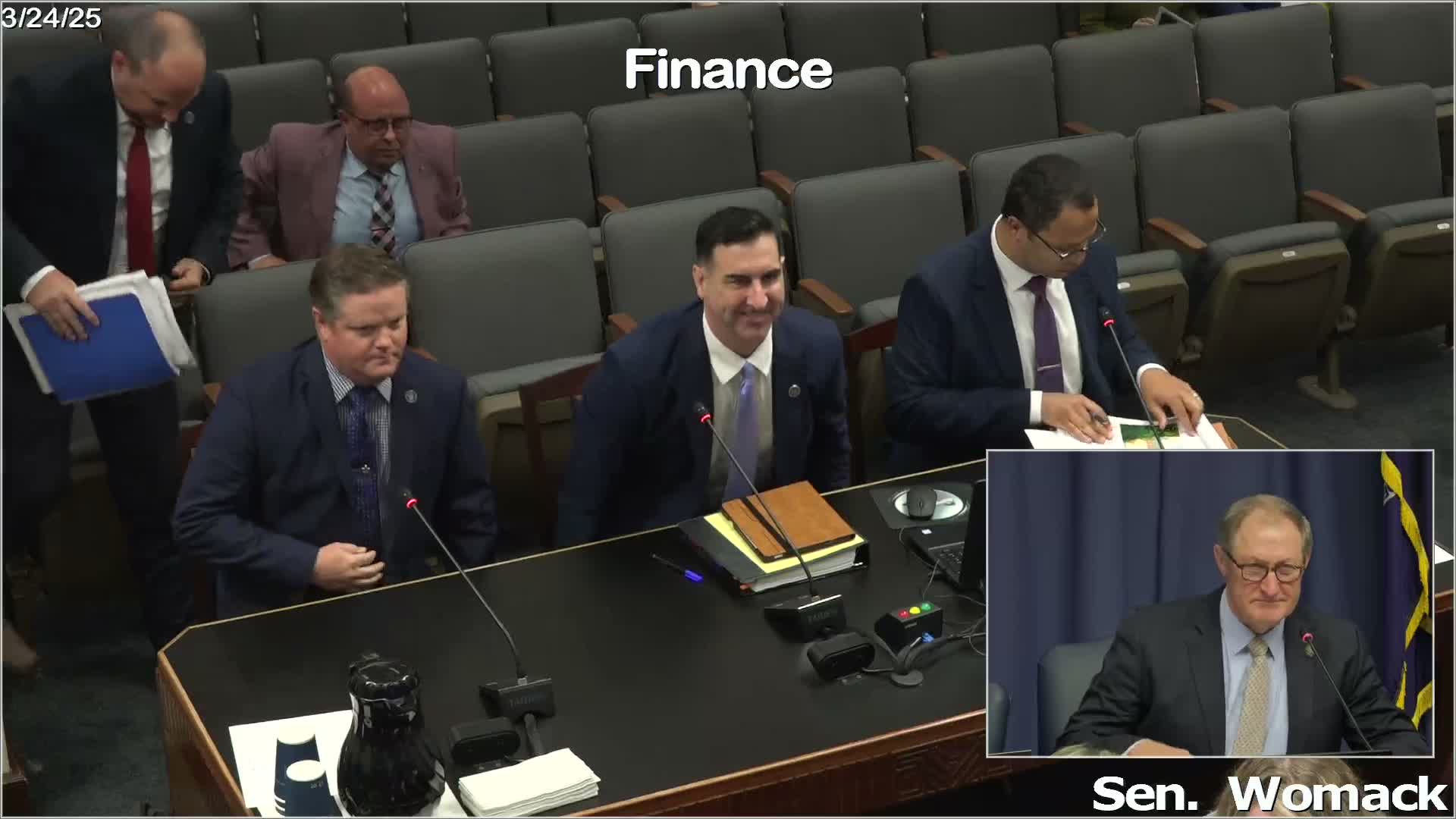
Civil Service director briefs committee on state workforce trends, turnover and municipal fire & police funding
Summary
State Civil Service presented workforce trends, turnover and budget details for the department's five agencies and discussed recent policy changes on minimum qualifications and skills‑based hiring.
The Senate Finance Committee heard an overview of the state workforce, turnover trends and the budgets for the five agencies within the Department of Civil Service.
Chaz Nicholson of Senate Fiscal Services summarized the five agencies that fall under the civil service umbrella and gave a program‑level budget overview. The combined FY26 recommendation across those agencies totals approximately $27.1 million with 184 authorized positions. Nicholson noted the municipal fire and police civil service unit is funded by a statutorily dedicated account and that a large database development appropriation has largely run its course.
Director Byron Decoteau of State Civil Service told the committee the agency’s mission is to provide statewide classification, pay‑plan and human‑resources tools to “attract, develop and retain a workforce.” He described recent work on skills‑based hiring and implementation of Act 655—legislative changes that limit requiring a degree or more than three years’ experience at initial hire except where law requires it. Decoteau described the agency’s role in advising administration and agencies on recruitment, classification and pay comparators.
Senators were shown workforce reports: the state’s classified headcount has stabilized near the low‑60,000s after a downward period, and turnover and voluntary separation rates have trended modestly up in recent years, with higher turnover concentrated in corrections and juvenile justice positions. Nicholson presented additional data on position categories with the highest turnover (corrections cadets, juvenile justice specialists, and some LDH roles).
Why it matters: Civil Service shapes how state jobs are recruited and classified and the agency’s guidance affects agency ability to hire and retain staff. Skills‑based hiring changes are intended to expand candidate pools for entry‑level roles where degrees were not previously necessary.
Looking ahead: Decoteau said State Civil Service will continue to help agencies implement skills‑based hiring, support pay comparisons when requested, and supply workforce data to assist legislative oversight and budget planning.