Get Full Government Meeting Transcripts, Videos, & Alerts Forever!
Get email alerts on the Government Transparency topic
No spam. Unsubscribe anytime.
Treasury highlights new school‑spending portal, flags backlog of cooperative endeavor agreements
Summary
The Department of the Treasury reported a largely-fees funded budget and unveiled a new K–12 transparency portal his office will launch March 31; senators pushed the department on a backlog of cooperative endeavor agreements and on CEA reporting and outreach to small local entities.
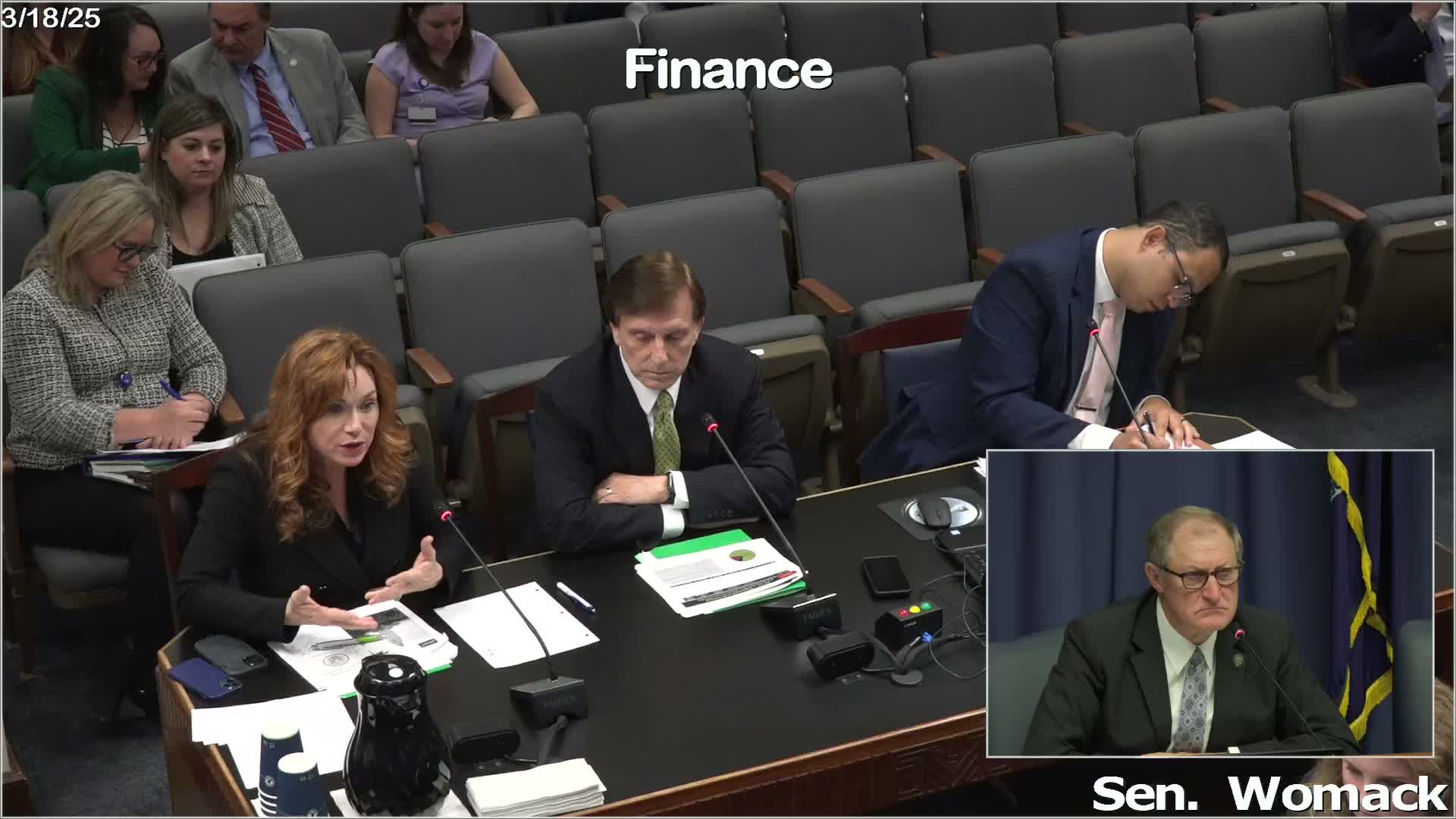
The Senate committee reviewed the Department of the Treasury's FY26 budget on March 18 and heard that the office will launch a school transparency portal March 31 to publish detailed records of school system contracts, awards and orders.
Why it matters: The portal stems from legislation (Act 370, 2023) requiring public reporting of school system awards and is designed to make K–12 spending visible to parents, school boards and lawmakers. Treasury said the site will display every award, task order, MOU, cooperative endeavor agreement (CEA) and contract by district.
Unclaimed property and investments: Treasurer John Fleming and Chaz Nichols of Senate Fiscal Services said Treasury continues to return unclaimed property (noting over $50 million returned in FY24) and reported strong investment returns and bond rating upgrades in recent years. The office said it manages approximately $13 billion in invested funds.
Cooperative endeavor agreements backlog and CEAs expiring June 30: Senators pressed Treasury staff about CEAs (line‑item appropriations that pass money to local governments and entities). Treasury staff said CEAs have accumulated and that some older CEAs are expiring on June 30 unless recipients submit required cost reports and contact information. Treasury provided a status breakdown during questioning: some CEAs are expired and largely spent; others have appropriations still to be disbursed; many lack updated cost reports or valid contact information. Staff said they have started sending certified letters and are preparing parish‑ and district‑level spreadsheets so legislative offices can help local entities comply.
Why senators probed CEAs: Several legislators said small towns, volunteer fire departments and other small entities sometimes lack accounting capacity, do not receive awarded funds without completing required documentation and therefore risk losing the dollars. Senators asked Treasury for parish‑by‑parish spreadsheets and suggested coordinated outreach with members to prevent expirations where local entities have been unable to meet reporting requirements.
Other points: Treasury staff said the office remains largely self‑funded and pointed committee members to an online presentation and attachments listing CEAs in various statuses. Personnel data: the treasurer's office is authorized for 74 positions and reported about 10 vacancies as of late December.
Ending: Treasury agreed to provide legislators with more detailed, sortable data (including Excel copies of CEA lists by parish and status) to help legislators and local governments resolve missing documentation before the June 30 expirations.