Get Full Government Meeting Transcripts, Videos, & Alerts Forever!
Get email alerts on the Military Affairs Budget topic
No spam. Unsubscribe anytime.
Louisiana National Guard asks lawmakers to sustain youth programs as federal support wanes
Summary
At a Senate committee presentation on the Department of Military Affairs' FY26 budget, the adjutant general and agency staff outlined budget totals, funding sources and risks to federally funded youth programs including STARBASE and the Youth Challenge program, and asked for state support and planning funds.
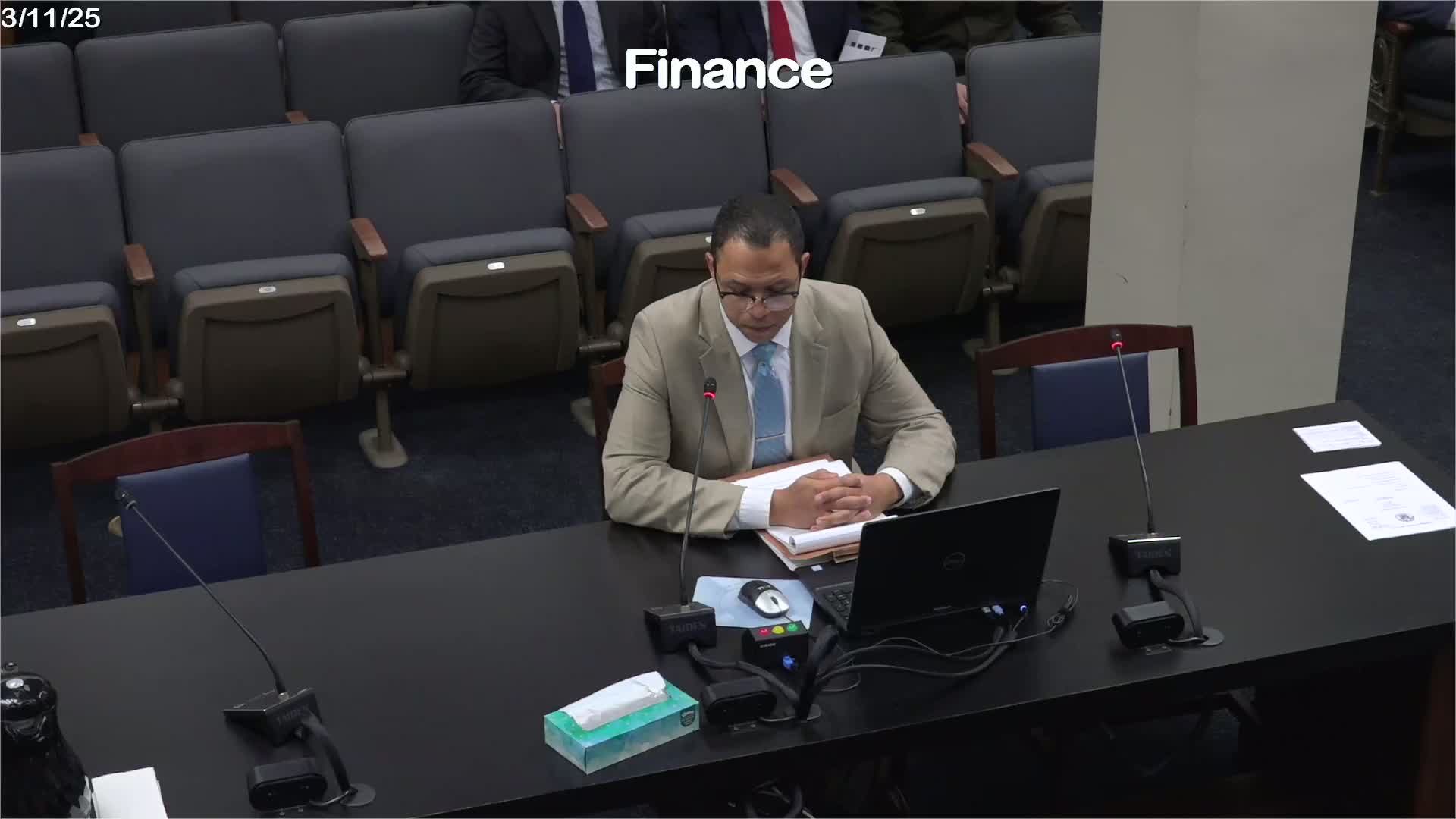
Major General Thomas Freeloux, the adjutant general of the Louisiana National Guard, told a Senate committee the Guard needs continued state investment to sustain operations and youth programs if federal funding falls short.
"Our primary mission is to deliver trained, ready and equipped units to fight and win our nation's wars while remaining prepared to respond to state emergencies," Freeloux said during the presentation on the Department of Military Affairs' fiscal 2026 budget request. Senate Fiscal Services staff member Chaz Nichols gave lawmakers a line‑item overview of the department's means of finance and spending trends.
The nut graf: Lawmakers heard that federal funds make up more than half of the department's budget and that several youth‑education programs the Guard runs — STARBASE, the Youth Challenge program and Job Challenge — rely heavily on federal support. Freeloux said STARBASE suspended operations in February 2025 because of federal budget constraints, and he urged state leaders to consider contingency funding and a master plan to preserve program capacity.
Nichols told the committee the department's recommended FY26 budget is about $131.1 million, up from $125.4 million in FY24 and from roughly $90.7 million in FY18. "A good portion of the agency's budget is driven by response activities," Nichols said, citing elevated spending in fiscal years tied to COVID‑19 response and hurricane recovery. He said federal funds account for roughly $68.7 million — just over half of the department's budget — while the state general fund was shown at about $50.9 million (39%). Fees and self‑generated revenue were listed at about $7.7 million.
Officials described the department as three programs in one: Military Affairs (operations, installation management, force protection), Education (Youth Challenge, Job Challenge, STARBASE) and a grants program. Freeloux emphasized the education programs' outcomes: the Youth Challenge program has graduated more than 28,000 cadets with an 82% HiSET pass rate and an average academic gain of 2.9 grade levels; Job Challenge provides industry certifications and reported that 87% of its graduates secure employment at competitive local wages; STARBASE has engaged more than 35,000 fifth graders in a weeklong STEM curriculum.
Committee staff provided additional budget detail: personnel services are the largest expenditure category (about 54% of the department budget), with roughly $70 million in personnel costs and $19.9 million in related benefits. Nichols said unfunded accrued liability payments make up about $11.2 million of that benefits total. The department has 849 authorized positions for FY26 and reported about 89 vacancies as of December 2024.
Freeloux told senators the Guard has leveraged state appropriations to secure more than $30 million in federal matching funds, producing a cited statewide economic impact of roughly $518 million. But he warned that Department of Defense priorities on combat readiness place programs that do not directly contribute to warfighting — such as STARBASE and parts of the Youth Challenge and Job Challenge portfolios — at risk of reduced federal support.
"STARBASE ... suspended operations in February of 2025 due to budget constraints," Freeloux said, and the Youth Challenge program — funded about 75% federally and 25% by the state — could also face cuts. He said the Guard is developing a contingency plan to consolidate state resources so a version of Youth Challenge could continue if federal funding falters and asked lawmakers to fund a master plan for the Gilles W. Long Center to grow capacity.
Senators pressed staff and the adjutant general on specifics. Sen. Clough noted the federal emphasis on combat readiness and asked whether the Guard's youth programs tie to that mission; Freeloux said enlistment from the Youth Challenge program is lower than desired but that the program's primary goal is mentorship and positive life outcomes. Sen. DeSalle asked about capacity; Freeloux said classes ran near full capacity before COVID, dropped to about 50% afterward and were rebounding toward 80–90% per class.
Committee staff also described standard budget adjustments: a net reduction of about $24.8 million driven largely by nonrecurring carryforward funds (a $28.7 million BA‑7 carryforward); a nonrecurring adjustment of roughly $3.8 million for hurricane recovery; and the annualization of 10 positions that shifted to GOSEP in the current year. Nichols said the department typically spends about 73.4% of its budget each year once carryforwards and year‑end adjustments are considered.
Freeloux and staff described operational requests beyond the committee's immediate budget decision: a proposed means‑of‑finance swap to shift security positions at Jackson Barracks from dwindling federal security funds to state funds so federal funds can focus on training centers at Minden and Pineville; and legislative protections and benefits being explored for the Louisiana State Guard to aid recruitment and retention. Freeloux noted the State Guard conducted cyber response missions, helped in hurricane response and supplemented security after the January 1 terrorist attack referenced earlier in testimony.
No formal appropriations were voted at the hearing. The committee recessed on a motion by Sen. Edmonds to recess at 9:50 a.m. and reconvene at 10:20 a.m.; the motion carried.
Ending: Committee members thanked the adjutant general and department staff, and the department said it would provide follow‑up information on eligibility and referral routes for youth programs. The committee did not take a budget vote in this session.