Get Full Government Meeting Transcripts, Videos, & Alerts Forever!
Get email alerts on the Ferry Landing Fee topic
No spam. Unsubscribe anytime.
Interstate Navigation seeks $1 landing fee and asks New Shoreham to renew opposition to Rhode Island Fast Ferry
Summary
Interstate Navigation told the New Shoreham Town Council it would support a $1 landing fee increase if the town stands with the company against a proposed Rhode Island Fast Ferry route that Interstate says would harm year‑round ferry service.
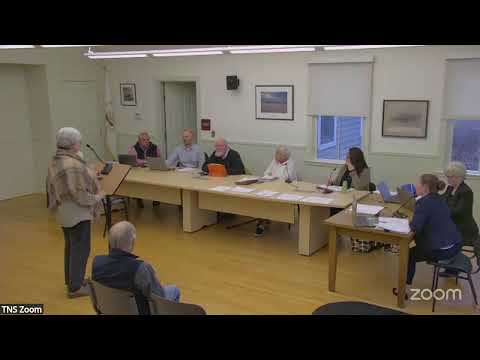
At a Town of New Shoreham council meeting on Wednesday, April 2, Interstate Navigation representatives described a proposal to raise the town landing fee to $1 and urged the council to reassert formal opposition to a proposed Rhode Island Fast Ferry route they say would threaten the year‑round lifeline ferry service.
Mike McElroy, attorney for Interstate Navigation, told the council the ferry company would support a landing‑fee increase to $1 “if we can work out standing shoulder to shoulder again with the town on the Rhode Island Fast Ferry proposal.” He described how profits from Interstate’s high‑speed vessel Athena are currently transferred to support the company’s loss‑making traditional, year‑round ferry service and said a competing summer‑only fast ferry from Quonset Point would remove that cross‑subsidy.
The company and councilors discussed historical and regulatory background. McElroy said Interstate agreed to transfer “100% of the profits” from its high‑speed operation to the traditional division under an arrangement approved by the Division of Public Utilities and Carriers; that cross‑subsidy, he said, helped fund a recent $1 fare reduction. He warned that if the competing fast ferry draws summer riders away, the Athena’s profits could decline and the town’s lifeline rates could rise as a result.
McElroy described a recent regulatory proceeding in which the division revoked a fast‑ferry applicant’s certificate for failing to meet a condition (constructing a dock) within the one‑year period allowed by the division; the applicant asked the division to reconsider and Interstate filed an objection. McElroy said Interstate’s standing to litigate aspects of the matter may be limited by earlier intervention rulings and that the division has asked for briefs on whether Interstate may file a protest as a member of the public. He said briefs are due April 14 and asked the council to resume the “shoulder to shoulder” posture previous councils took during about a dozen years of similar proceedings.
Councilors and other attendees questioned the size and distribution of any landing‑fee increase. One councilor noted the town receives other visitor‑generated revenue (hotel and meals taxes) and urged care in setting a fee that could discourage visitors. Interstate representatives said their internal CPI trending put a fair increase near $1; McElroy said a $1 fee would be acceptable to Interstate provided the town again backs its opposition to the Quonset‑based fast ferry. He added that a $1 increase would likely trigger a matching increase at the Narragansett landing, so a full round trip could cost $2 in landing fees.
No formal council vote was taken during the discussion. Council members suggested scheduling Interstate’s annual meeting earlier in the planning cycle—October or November—so council input can influence next season’s schedule. Council staff said they would follow up on dates and on the regulatory filing schedule before the April 14 deadline.