
Judson ISD staff outline 2025–26 budget projections, deficit options and timeline to seek voter tax authority
Get AI-powered insights, summaries, and transcripts
Subscribe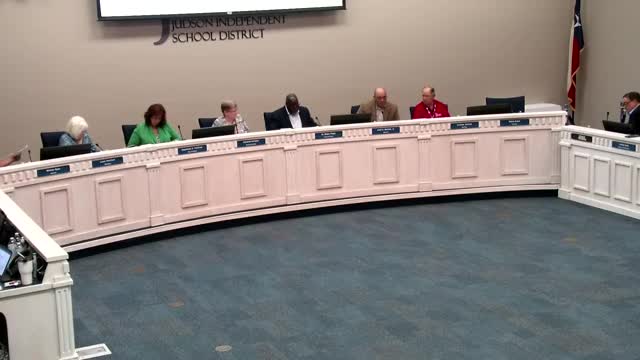
Summary
District finance staff presented initial '25–'26 projections showing a multi‑million‑dollar shortfall, staffing needs for two new campuses and a timeline if trustees choose to pursue voter approval to raise operating revenue (VADER).
Finance and district leadership presented an initial budget projection at a special Judson ISD board meeting that showed a multi‑million‑dollar shortfall for the 2025–26 fiscal year and a list of staffing and program options to reduce the gap.
Finance staff said the district’s current projection for next year’s base budget shows a large shortfall (district discussion referenced a $47.9 million projected deficit in one presentation column) and that the board’s immediate choices will affect class sizes, staffing and program delivery. The district reported an operating fund balance of roughly $101 million before adjustments and estimated fund balance could fall to about $32 million under the initial no‑VADER projection (about 42 days of operating expenses under current estimates). CFO and budget staff identified the reduction in SHARS reimbursements as a $1.6 million recurring impact on the general fund and said enrollment projections from district demographers show a small decline (the demographer projected a decrease of roughly 220 students for next year).
Staff outlined campus‑by‑campus staffing assumptions for two new campuses opening next year. Cibolo Creek Middle School was estimated at roughly 100 staff, with about 42 new hires needed after moving existing personnel; Selma Elementary was shown as not requiring net new hires because staff from other campuses are being reallocated.
Board members repeatedly asked for conservative revenue assumptions and clearer staffing ratios before finalizing the budget. Trustees and staff discussed proposed classroom ratio changes (examples discussed: elementary from 21 to 23; middle from 23 to 25; high school from 24 to 26) and asked HR and campus leaders for modeling on how those ratios would translate to dollar savings, likely through attrition rather than immediate layoffs.
The board also discussed its options to raise revenue through a voter‑approved maintenance and operations election (VADER). Staff provided a proposed timeline for a VADER if the board elects to pursue it: board direction in May, efficiency audit and voter education through the summer and an election in November. District staff estimated the one‑time cost of running a VADER campaign and related work at roughly $150,000; if trustees approve asking voters to keep the existing disaster penny level the district could expect approximately $12 million; asking to access the additional 8.5 cents allowed under law could yield a larger sum (staff estimated up to about $23 million before minor recapture), but that would increase outreach and legal complexity.
Trustees did not vote on the VADER request at this meeting. Several trustees said they wanted additional costed options and to see the projected fiscal impact of specific staffing scenarios before making a decision. Staff asked the board for direction in May so a timeline could be met for a possible November ballot.