Get Full Government Meeting Transcripts, Videos, & Alerts Forever!
Get email alerts on the Recreation Fees topic
No spam. Unsubscribe anytime.
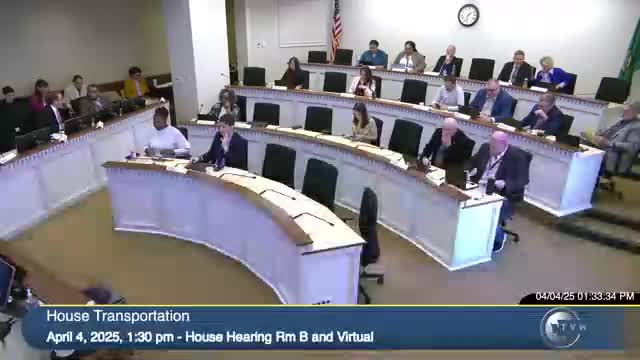
Committee hears staff and users on proposal to raise snowmobile registration fees
Summary
A Transportation Committee staff briefing and public testimony covered a proposal to raise annual snowmobile registration fees from $50 to $75 (and vintage fees from $12 to $18) beginning Sept. 30, 2025; agencies said the increase would partly fund snowmobile parks and maintenance but would have limited general transportation budget effect.
The Transportation Committee received a staff briefing and public testimony on Senate Bill 5,234, which would raise the annual registration fee for regular snowmobiles from $50 to $75 and increase the fee for vintage snowmobiles (defined in the bill as manufactured at least 30 years ago) from $12 to $18 beginning Sept. 30, 2025.
Department of Licensing staff summarized the policy and fiscal picture. "Snowmobiles operating in the state must have a registration or a nonresident temporary permit to operate," the staff member told the committee and added, "DOL does project revenues of about $30,000 a biennium to go towards the motor vehicle account, but they also anticipate a one‑time cost of $19,000 to implement IT changes." The staffer said the larger revenue effect would be the funds deposited to the snowmobile account, which support snowmobile‑related programs and activities.
The bill matters to recreation agencies and users because those account receipts pay for trail grooming, snow removal and sanitation at winter recreation sites. "Registration fees were last raised in 2016," Brian Considine, legislative director for State Parks, said in testimony, and he told the committee that registrations have fallen from about 25,000 to roughly 18,000 since then. Considine described State Parks' winter program as funding 89 motorized snow parks and about 2,300 miles of trails and said reduced revenues have previously led to service reductions.
Sam Hensold, Recreation Operations Manager for the Department of Natural Resources, said DNR manages about five motorized snow parks and 25 motorized trail systems on DNR land and that the Winter Recreation Grant program funds sanitation, snow removal and grooming on those lands. User testimony supported the increase. Greg Figg said a user survey of about 1,300 respondents showed roughly two‑thirds support for a fee increase; Ted Jackson, president of the Washington ATV Association, said grooming and plowing are essential to trail access and sustainability.
Committee members asked for more detail on how one season's revenue is spent. Representative Griffey asked for a one‑season accounting of current expenditures and how additional funds would be used; agency staff agreed to provide that information. Representative Donaghy asked when fees were last increased; agency staff answered that the staff did not have the date in the briefing but would follow up.
The committee did not take a formal vote on SB 5,234 during this meeting. The public hearing on the bill was closed after testimony and the bill was taken under advisement for future action.
The bill's proponents and agency witnesses emphasized that the proposal is intended to stabilize funding for winter recreation infrastructure rather than to materially change the state's general transportation budget.