Get Full Government Meeting Transcripts, Videos, & Alerts Forever!
Get email alerts on the Direct Selling Consumer Protection topic
No spam. Unsubscribe anytime.
Committee hears paired bills to protect direct sellers and clarify anti‑pyramid rules
Summary
Representatives Renee Reuter and Holly Jones presented House Bill 1120 and House Bill 1138 to the Commerce Committee as companion measures using model language to distinguish legitimate direct selling from pyramid schemes and to require buyback protections and limits on inventory loading.
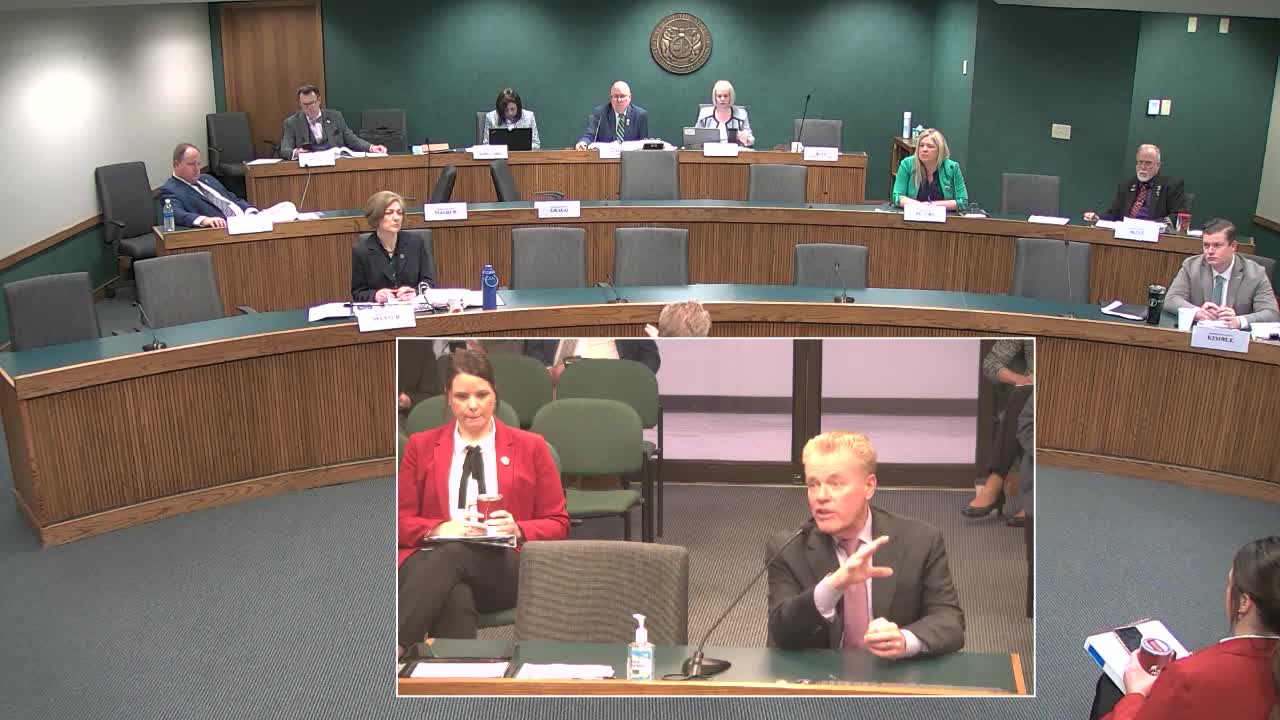
Representatives Renee Reuter and Holly Jones told the House Commerce Committee during a joint public hearing that House Bill 1120 and House Bill 1138 adopt model language to protect direct sellers and consumers from pyramid schemes and excessive inventory obligations.
The sponsors said the bills use model legislation provided by the Council of State Governments and the measure has been adopted in 28 states. "What the bill does is it defines the legitimate direct seller," Representative Reuter said. The bills require that compensation be tied to sales of goods or services (not recruitment), define characteristics of unlawful pyramid schemes including incentives that encourage excessive inventory purchases, and promote inventory repurchase provisions to let sellers return unsold product.
John Webb, a representative of the Direct Selling Association, described the industry as a retail channel and said the model language clarifies the line between legitimate companies and bad actors. "In a legitimate company... you don't make money until you sell a product to the end user," Webb said. He said the model also encourages a 90% buyback requirement for unsold inventory and noted that the model legislation has been used by other states to prosecute bad actors.
Supporters said the measures protect individuals—often part‑time sellers or small business owners—from being left with unsellable inventory or recruiting‑only compensation plans. Representatives gave examples of well‑known companies that operate in this space during the hearing, including Pampered Chef, Avon, Mary Kay and Scentsy; Dan Shaw of Missouri Retailers noted Amway as a supporter as well.
Committee members asked for clarity on definitions and potential unintended effects. Representative Sites pressed sponsors on the bill's definitions of "compensation" and whether statutory definitions could unintentionally sweep in ordinary contractor or franchise arrangements. Representative Miller asked whether companies would be left holding inventory buyback obligations; John Webb and Dan Shaw said the industry supports the model language and that the 90% buyback and anti‑inventory‑loading provisions are widely accepted by legitimate direct selling companies.
The hearing record included industry testimony that 13 million people participate in direct selling nationwide and that U.S. retail sales in the channel were described in testimony as approximately $36,700,000,000. Committee members expressed interest in consumer safeguards while several members noted that many legitimate direct sellers are small, independent contractors and that the bills are not intended to inhibit successful independent sellers.
No committee vote was taken during the public hearing phase on these bills.