Get Full Government Meeting Transcripts, Videos, & Alerts Forever!
Get email alerts on the Public Libraries topic
No spam. Unsubscribe anytime.
Committee backs bill letting consolidated library districts change fiscal year
Summary
Senators and library representatives told the House Committee on Local Government that allowing consolidated public library districts to select fiscal-year dates can reduce reserve carryovers and save interest; committee voted SB 396 do pass by consent 13-0.
Senator Brown presented Senate Bill 396 to the House Committee on Local Government, saying the measure would allow boards of trustees of consolidated public library districts to change the starting and ending dates of their fiscal years instead of being fixed by state law to July 1–June 30.
"Enables a board of trustees of a consolidated public library district to change the dates of their fiscal year," Senator Brown said, arguing that alignment with revenue streams can reduce the need for large reserves and save on interest costs.
Randy Scherer of the Missouri Library Association told the committee local districts were advised by financial consultants that matching fiscal-year dates to revenue flows could reduce interest expense. Arnie C. Deanoff, the state public advocate, also testified in support and framed the change as a local-control option for library boards.
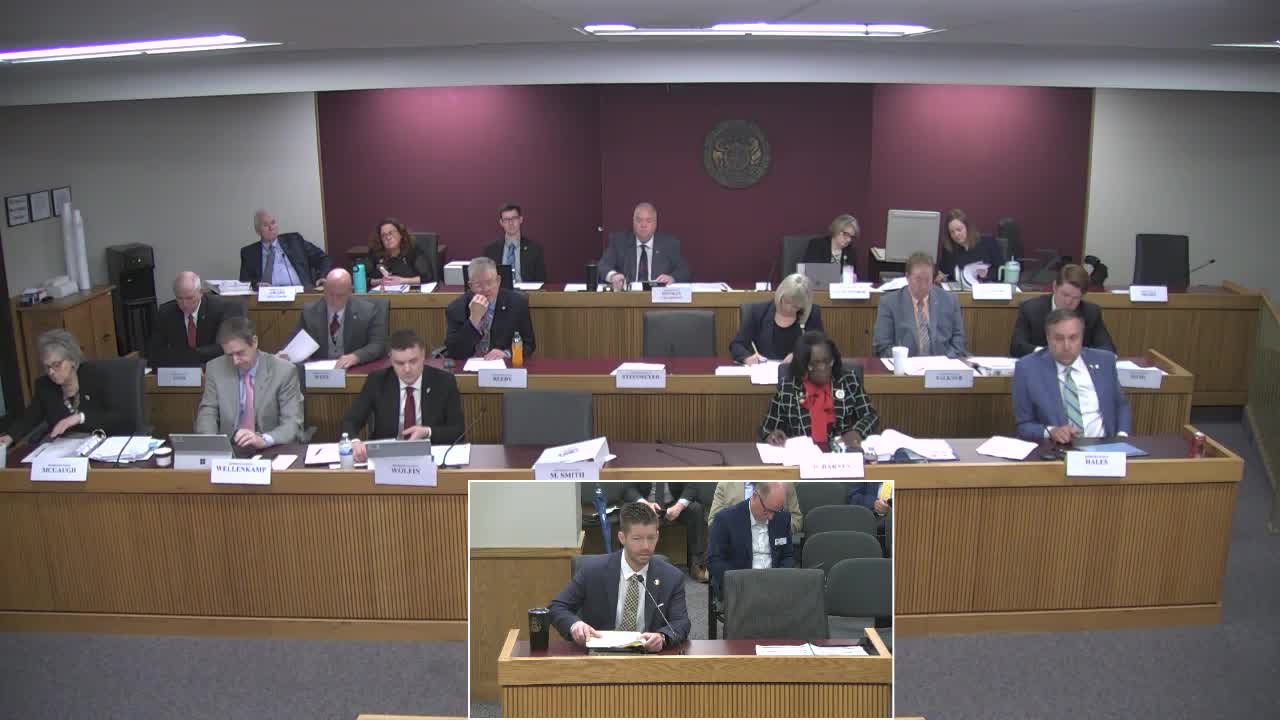
The committee later moved into executive session and voted to report SB 396 do pass, then voted to advance it by consent. The roll call recorded 13 ayes and 0 nos on both the procedural do-pass motion and the consent vote.
Proponents said the change offers a narrow accounting and cash-flow benefit for the six consolidated library districts in Missouri; the bill was presented as identical to a measure heard previously and carried as a consent item in the Senate.
The committee recorded no amendments during the hearing, and supporters requested continued movement of the bill as a consent item to meet timing in the legislative calendar.