Get Full Government Meeting Transcripts, Videos, & Alerts Forever!
Get email alerts on the Firearm Storage topic
No spam. Unsubscribe anytime.
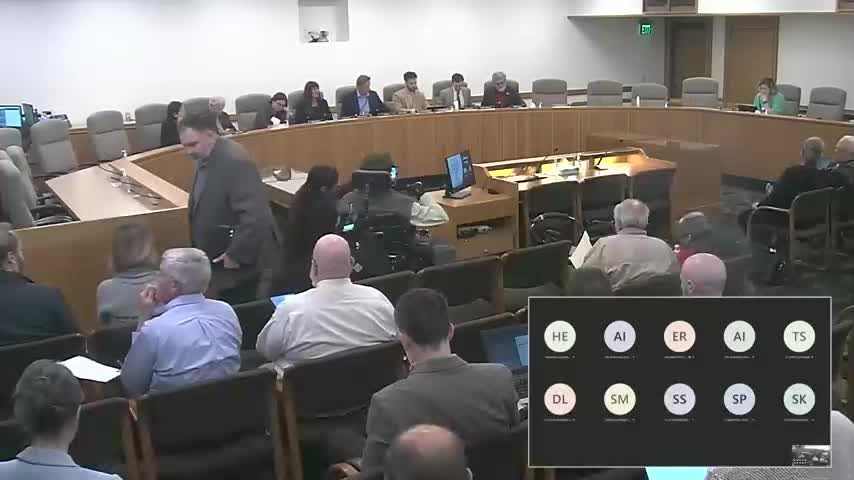
House Judiciary committee hears testimony on HB 3884 to enable voluntary, temporary firearm storage with FFLs
Summary
House Committee on Judiciary Chair Cropp opened a public hearing April 3 on House Bill 3884, a bill and -1 amendment that would authorize and protect voluntary, temporary out‑of‑home firearm storage at businesses that hold a federal firearms license (FFL) and direct the Oregon State Police to study whether such "firearm hold" agreements reduce firearm risk and report findings to interim judiciary committees by Sept. 15, 2026.
House Committee on Judiciary Chair Cropp opened a public hearing April 3 on House Bill 3884, a bill and -1 amendment that would authorize and protect voluntary, temporary out‑of‑home firearm storage at businesses that hold a federal firearms license (FFL) and direct the Oregon State Police to study whether such "firearm hold" agreements reduce firearm risk and report findings to interim judiciary committees by Sept. 15, 2026. The measure includes a sunset date of Jan. 2, 2027.
Why it matters: Proponents told the committee the proposal aims to provide an evidence‑based, voluntary option for people seeking time and distance from firearms during crises — a harm‑reduction approach supporters said can lower suicide risk and prevent impulsive violence while avoiding transfers of ownership.
Presenters and main points A legislative staff member summarized the bill’s technical elements and the report deadline and sunset dates. Michael Smith, chair of the Gun Owners Caucus of the Democratic Party of Oregon, said "time and distance between oneself and one's firearm can be the difference between life or death" and described the proposal as a voluntary, owner‑initiated option that would avoid circumventing background‑check rules. Angela Perry, board member of the Oregon chapter of the American Foundation for Suicide Prevention, told the committee that in 2023 nationwide suicide deaths numbered about 49,316 and that in Oregon 55% of suicides that year were by firearm; she said research shows putting time and distance between a person at risk and a method saves lives. Dwayne Ledford, who identified himself as an FFL owner in Madras and a retired Marine weapons officer, described current local practice at his shop: staff inventory stored firearms and follow federal background‑check and storage procedures, and return voluntarily surrendered firearms to owners. Kerry Spurgeon, president of the Oregon State Shooting Association, said many licensed dealers want to offer storage but need liability clarity and described the bill as enabling a business model that lets owners keep a lock on their property while creating distance.
Policy details and legal protections Supporters emphasized that the bill would create limited liability protections for FFLs that accept temporary holds, make clear the arrangement is not a transfer of ownership, and require that firearms be locked and stored securely by the owner. Testimony noted the role of ATF rules in how an FFL accepts custody and returns firearms, and proponents said the bill was drafted to avoid creating a loophole around federal transfer or background‑check requirements. Proponents cited similar statutes enacted in other states and referenced CDC data on suicide outcomes as part of the evidence base.
Opposition and concerns No formal opponents spoke during the time allotted for this hearing; committee members noted the bill had dash bill amendments posted on OLIS that staff had not yet fully summarized. Several witnesses and members asked technical questions about liability language and operational details such as recordkeeping and how returns would comply with ATF rules.
Next steps Chair Cropp closed the public hearing on HB 3884 and said the committee could reopen the hearing within three days if more testimony was needed. The bill’s -1 amendment and posted materials on OLIS were noted by staff as the working text for further consideration.
Ending note Witnesses who testified included firearm owners, suicide‑prevention advocates and licensed FFL holders; they framed the proposal as a voluntary, short‑term tool intended to reduce immediate access to firearms in moments of crisis while maintaining federal transfer and background‑check safeguards.