Get Full Government Meeting Transcripts, Videos, & Alerts Forever!
Get email alerts on the Nonmedical Transportation topic
No spam. Unsubscribe anytime.
Bill to pilot nonmedical MaineCare transportation for rural older adults and people with disabilities draws broad support
Summary
A bill to create a MaineCare pilot giving certain waiver recipients nonmedical rides (grocery, social, pharmacy) drew support from advocacy groups, county prevention councils and transportation advocates; witnesses said lack of local transit and social isolation harm health and urged a limited pilot and federal waiver to access Medicaid match.
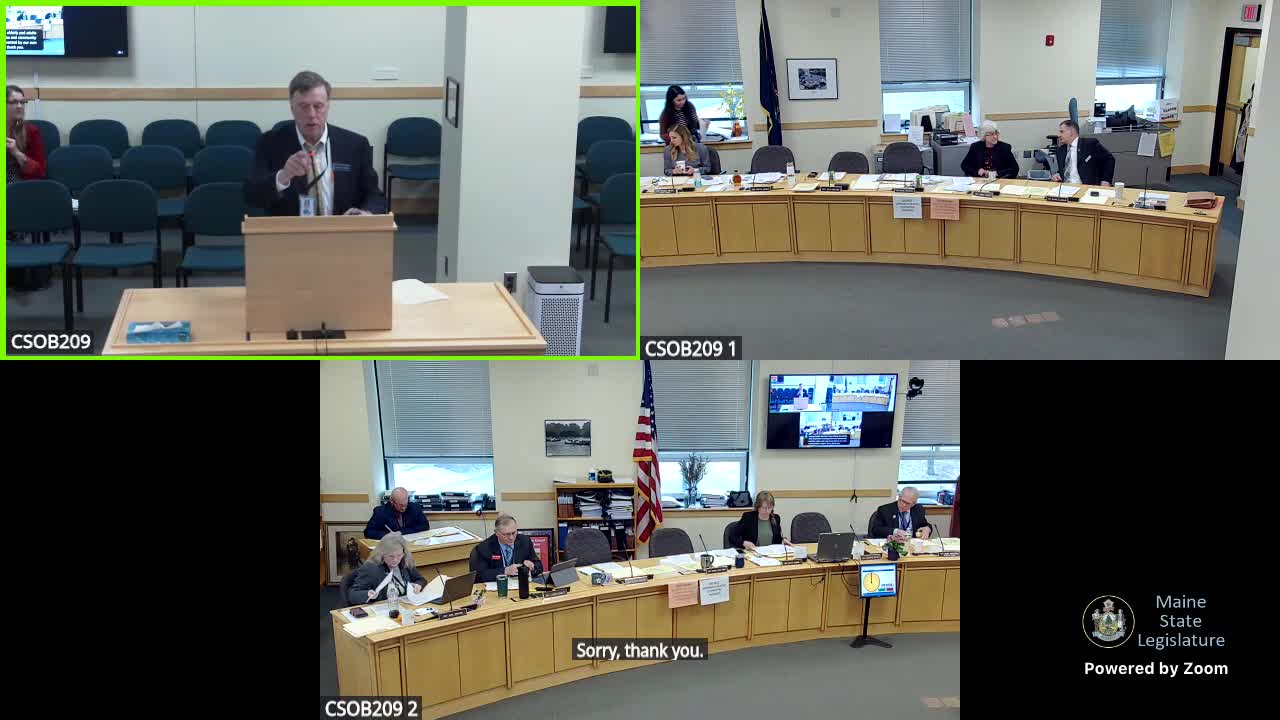
Representative Dan Shagore told the committee Thursday that lack of nonmedical transportation is a serious barrier for older Mainers and adults with disabilities and asked lawmakers to authorize a pilot to provide limited nonmedical rides through MaineCare waiver services.
Why it matters "Imagine if you were stuck in your house and couldn't get out, buy groceries or other necessities," Shagore said. He told the committee Maine's combination of an older population and rural geography produces high demand for nonmedical transportation; presenters linked transportation gaps to social isolation, poorer health outcomes and missed preventive care.
What the bill would do LD 263 would direct the Department of Health and Human Services to pilot a nonmedical transportation benefit for waiver recipients (Section 19 home and community benefits). Representative Shagore and witnesses discussed design options including limiting the pilot by geography or population, setting an annual benefit cap (sponsor suggested lowering an initial $2,000 figure to $1,000) and pursuing a federal Medicaid waiver to secure the federal match.
Supporters and main arguments - Marj Kilkelly, policy consultant for the Maine Council on Aging, testified the pilot would allow waiver participants to access meals, social sites and grocery shopping in ways that can prevent health decline and reduce downstream medical costs. - The Maine Developmental Disabilities Council stressed that people with intellectual and developmental disabilities especially need reliable nonmedical rides to participate. - The Moving Maine network and community action agencies said local transport providers and prevention councils could administer rides if funding and federal match were available; they urged use of MaineCare match dollars where possible.
Questions and next steps DHHS told the committee it is studying comparable transport programs in other states and that a waiver would be a likely route to access federal Medicaid funding. Committee members asked for the study results and for cost estimates and suggested a geographically focused pilot would reduce upfront costs.
Ending No vote was taken at the hearing. Advocates urged lawmakers to pursue a pilot and a federal waiver; DHHS agreed to share its study and cost estimates for the committee's work session.