Get Full Government Meeting Transcripts, Videos, & Alerts Forever!
Get email alerts on the Federal Energy Policy topic
No spam. Unsubscribe anytime.
Senator presses nominees over reports DOE is canceling or renegotiating energy contracts
Summary
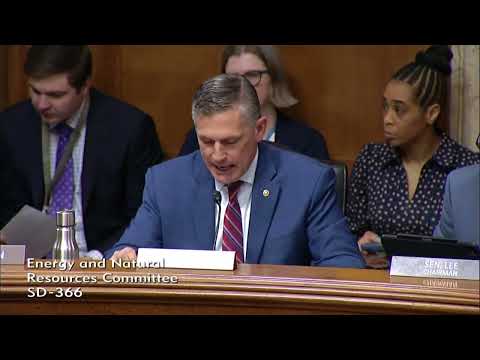
An unnamed senator told the Senate Energy and Natural Resources Committee that reports the Department of Energy is canceling or renegotiating funding contracts are harming jobs, driving up energy costs and undermining public land services, and said the nominees for Energy and Interior will be asked to commit to following the law.
An unnamed senator told the Senate Energy and Natural Resources Committee on Oct. 12 that reports the Department of Energy is considering “canceling or renegotiating existing funding contracts with companies, some of which are already under construction” and said the decision to rescind awards rests with Congress, not the president.
The senator urged both nominees appearing before the committee and agency leadership to commit to following federal law and to restore stability to agencies that manage energy programs and public lands. “I will be looking for assurances from both nominees that they are committed to following the law,” the senator said.
The senator framed the alleged federal actions as already having measurable economic effects. “It's estimated that more than 50,000 energy jobs have already been been lost under Trump's watch,” the senator said, attributing the figure to unspecified estimates. The senator also warned that changes at federal agencies are constricting “the fastest growing and most affordable power sources” and said those actions will drive higher electricity prices; the senator said electricity prices are “already on track to be the highest they have been since the 1990s.”
The remarks tied the contract reports to a broader pattern of sudden agency changes over the previous two months, saying both the Department of the Interior and the Department of Energy have experienced operational whiplash. The senator listed examples presented during the hearing: agency employees fired and later ordered rehired by courts, announced plans to close or sell agency buildings that were later reversed, and grants or contracts frozen and only sometimes unfrozen. The senator said these developments are producing on-the-ground effects, including closed visitor centers, overflowing trash cans at parks, shortened field-office hours and greater difficulty for the public seeking frontline staff assistance.
The senator also said small businesses and scientists are affected: “Small businesses are worried if their permits will get processed. Scientists are struggling to cover expenses because of the federal government has backed out of contracts with them,” the senator said. The senator noted they had written to “Secretary Wright” a week earlier about the issue.
The senator directed questions to two nominees introduced at the hearing, identified in the remarks as Miss McGregor and Mister Danley, and asked how they would return the departments “back to a path of public service,” secure American leadership and competitiveness, and ensure responsible stewardship of natural resources. No formal action, motion or vote on those matters was recorded in the provided transcript excerpt.
The senator repeatedly emphasized legal limits on agency authority, saying both departments “were created by statute” and that the laws they execute, the programs they administer and the funds they spend “were enacted, created, appropriated by law by Congress.” The senator said that the question of rescinding awards rests with Congress rather than the president or private individuals.
The hearing continued with the committee’s consideration of the nominees; the senator said he would seek further assurances from the nominees during questioning. The transcript excerpt provided does not record the nominees’ responses or any committee votes on the topics discussed.