Get Full Government Meeting Transcripts, Videos, & Alerts Forever!
Get email alerts on the Employment For People With Disabilities topic
No spam. Unsubscribe anytime.
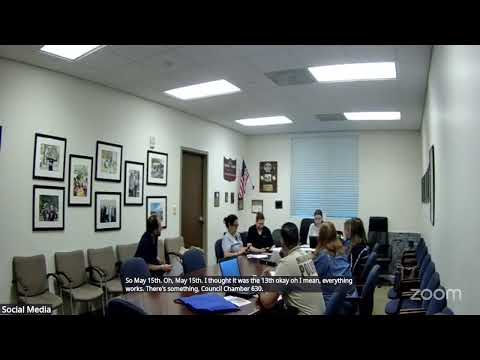
Foundation urges Miami Lakes to hire supported‑employment position; advisory board asks council to consider
Summary
A nonprofit that places young adults with developmental disabilities described its job‑coaching model and asked the Town of Miami Lakes to create a town position to pilot the work. The Special Needs Advisory Board voted to ask the town council to place the item on a future agenda.
A nonprofit that helps place young adults with developmental disabilities urged the Town of Miami Lakes on Wednesday to create a municipal position as a pilot for supported employment services, and the town advisory board voted to request that the Town Council discuss the proposal.
The representative of the Devonna Foundation told the Special Needs Advisory Board that the group matches candidates who have autism, cerebral palsy, traumatic brain injury and other developmental disabilities with employers across South Florida and provides on‑the‑job coaching. “Our goal at the Devonna Foundation is to focus on creating employment opportunities for young adults with unique abilities,” the speaker said.
The presenter described the foundation’s job‑coaching model, which she said includes daily coaching during the first three weeks (about 20 hours per week) and disability‑ and sensitivity‑training for coworkers. She said the foundation has an 85% retention rate for placements, works with about 85 employer partners, and has 54 participants employed at livable wages, 25 of whom the presenter said have been with the same employer for five years.
Board members discussed how the program works with the state Division of Vocational Rehabilitation. The presenter said vocational‑rehab timelines can require candidates to begin services within six to eight months and that families may reapply if needed. She also said taking paid employment can reduce SSI income without affecting health benefits or an ABLE account.
As New Business, board members agreed to ask the Town Council to add a formal discussion of opening a town position with the foundation to pilot placements within municipal offices and to consider how the town would fund such a role. A motion to send the initiative to the council passed by voice vote; the advisory board did not record a roll‑call tally in the minutes.
In other business, the board elected a secretary and approved several routine agenda items and scheduling changes. Melissa Carson, executive director of Bike to the Beach, used public comment time to promote an April 26 charity bicycle ride that supports local autism‑serving nonprofits.
Votes at a glance
- Motion to ask Town Council to place an item on a future agenda to consider opening a town position in partnership with the Devonna Foundation: approved (voice vote; tally not specified).
- Election of board secretary (Kimberly, last name not specified in the record): approved by voice vote.
- Motion to allocate up to $300 for snacks/food for the animation program open house (funding source: social and recreation): approved (voice vote; amount not to exceed $300).
- Motion to defer a therapy‑sponsorship presentation to the next meeting: approved (deferred).
- Motion to set next meeting for May 13 at 5:30 p.m.: approved (voice vote).
Why it matters
If the town approves a municipal pilot post, the town would become an early local employer partner using in‑house placements to demonstrate the model to other businesses. Board members said such a local example could make other small employers more comfortable hiring people with developmental disabilities.
What the record shows and what it does not
The presenter supplied program metrics (85% retention, about 85 employer partners, 54 employed participants, 25 with five years’ tenure) and described how vocational‑rehab funding and on‑the‑job training (OJT) can interact with employer pay. The advisory board voted to ask the council to consider creating a town position; the motion passed by voice vote but the meeting record does not show a roll‑call vote or the funding source details for a permanently funded municipal position. The board discussed logistical questions—who would pay a town position and how it would be added to the council agenda—but no formal budget or job description was presented.
Looking ahead
Board members and the foundation said they will continue working on next steps, including follow‑up with the town manager and council to place the item on a future agenda and to clarify funding and hiring logistics.