Get Full Government Meeting Transcripts, Videos, & Alerts Forever!
Get email alerts on the Healthcare topic
No spam. Unsubscribe anytime.
Lawmakers say SB69 supported small hospitals’ access to 340B medication revenues; governor let it become law without signature
Summary
Senator Evan Vickers described SB69 as a David-vs.-Goliath measure to protect small hospitals and clinics that rely on 340B medication revenue; speakers said manufacturers strongly opposed the bill but it became law without the governor’s signature.
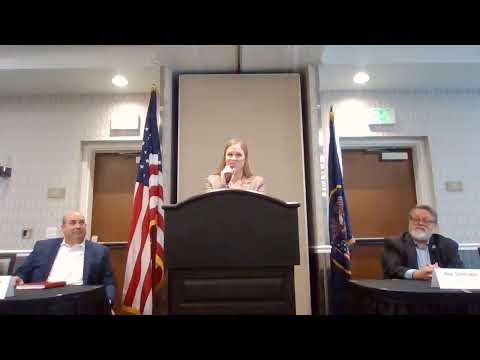
Senator Evan Vickers told attendees of a Washington County Republican Women luncheon that SB69 — a legislative effort tied to 340B medication revenues — was aimed at protecting small hospitals and federally qualified clinics from actions by drug manufacturers.
Vickers said the bill represented a "David versus Goliath" fight on behalf of small providers, including tribal clinics and rural hospitals. He described intense manufacturer opposition and heavy lobbying but said the measure "ended up passing significantly," noting only a single negative vote in the speaker’s summary of chamber action.
At a later point in the luncheon another attendee referenced SB69 as a bill that "went into law without signature," which the speakers characterized as a formal outcome. The lawmakers did not provide the bill’s full text or a statutory citation during the meeting; they described the bill in discussion as related to manufacturer behavior toward 340B medications and the financial resources small providers use for charity care.
Why this matters: Small hospitals and federally qualified health centers in rural areas often rely on revenues tied to federal 340B pricing programs to help fund uncompensated care. Lawmakers in the luncheon framed SB69 as preserving those local health resources.
What was said: Vickers described opposition from pharmaceutical manufacturers and said the bill’s passage was notable for overcoming such resistance. Speakers did not offer roll-call vote tallies in the luncheon remarks and did not read the statute’s precise language; attendees were referred to legislative records for detail.
Next steps and context: Lawmakers suggested the bill will affect how manufacturers interact with covered entities and that implementation questions will be handled through regulatory and administrative channels. The luncheon remarks did not provide specific guidance about implementation timelines or agency rules.