
ZBA approves lodging house for estate employee housing, plus ornamental tower height
Get AI-powered insights, summaries, and transcripts
Sign Up Free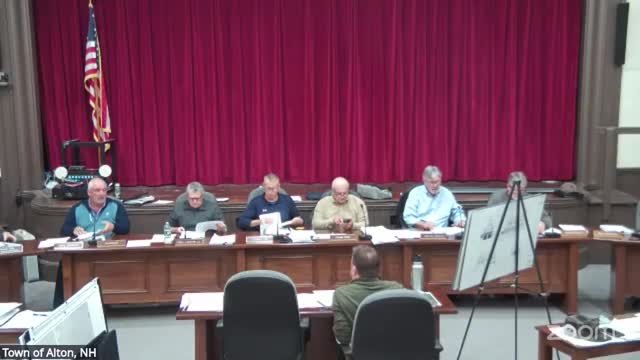
Summary
The Zoning Board approved a special exception for a lodging house (nontransient employee housing) on a 19.5‑acre lot and a special exemption allowing an ornamental tower to exceed the 35‑foot height limit, with building and fire‑safety requirements to follow.
The Alton Zoning Board of Adjustment voted to grant a special exception permitting a lodging house and an associated special exemption for an ornamental tower height on a 19.5‑acre parcel owned by Frogwood LLC.
Architect Timothy Giguere presented the application on behalf of the applicant. He described the project as three nontransient residential units intended for service staff who would live on the large estate across Hopewell Road. "My client is looking to have nontransient units that he could rent potentially to his service staff for a large estate," Giguere told the board. He described the lodging as nontransient (rental periods longer than 30 days) and emphasized that the units would be limited, owner‑occupied (or occupied by a living manager) and accessory to the estate.
Neighbors raised concerns about possible future changes of use, the visual impact of the building's ornamental belfry and on‑site equipment storage. Rob Miller, counsel for the applicant, and board members stressed that approvals attach to the specific use and that any change of use would require a separate application. The board noted that covenants on the underlying deed remain a civil matter between private parties, but members discussed conditions to limit unintended future uses.
Fire and life‑safety issues, including potential sprinkler requirements, were discussed; the fire department asked that the building be assigned an address and that final building plans (including any sprinkler system) be reviewed by the department. The board and applicant also discussed stormwater and septic plans; applicant engineers were identified for future civil and septic design.
The board approved the lodging‑house special exception by a 4–1 vote. The board also approved the special exemption to permit a decorative tower above the 35‑foot maximum by the same margin. Members said the use was consistent with the master plan's emphasis on housing affordability and that the proposed building footprint, setbacks and acreage (19.52 acres) met the ordinance criteria for a lodging house. A dissenting member raised concern about visibility from the lake and the master plan language to protect waterfront views.
Conditions noted at the hearing include standard building permits, sprinkler and life‑safety plan approvals, state septic approvals and the requirement that any change in use or expansion return to the board for review.