Get Full Government Meeting Transcripts, Videos, & Alerts Forever!
Get email alerts on the Ombudsman Office topic
No spam. Unsubscribe anytime.
JFAC approves no-additional-appropriation motion for new Health and Social Services Ombudsman office
Summary
After debate and a tied substitute vote, the committee adopted a motion to leave the Office of the Health and Social Services Ombudsman at its current FY25 appropriation level; a substitute to add $25,000 failed on a tied roll call.
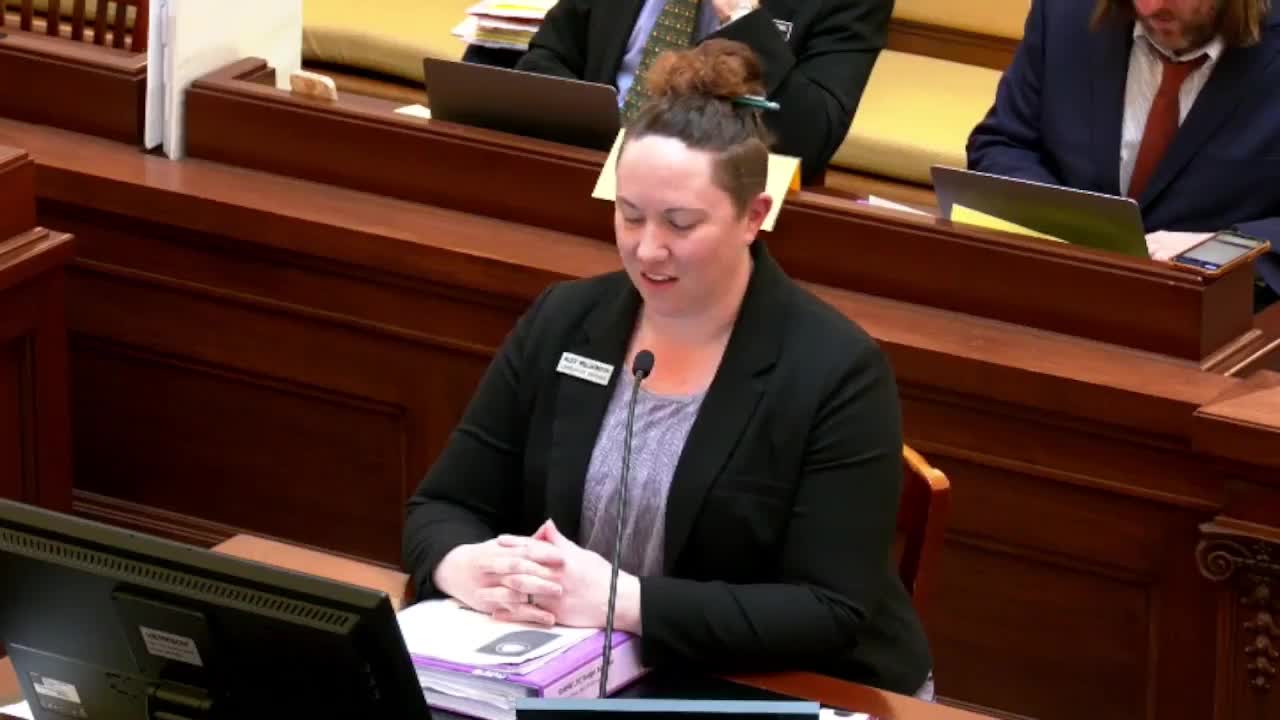
The Joint Finance-Appropriations Committee considered funding requests for the Office of the Health and Social Services Ombudsman, a recently created office statutorily charged with monitoring health and social-services systems for children and other vulnerable clients.
Two motions were considered. A substitute motion to add $25,000 for salary increases (to partially fund a requested personnel enhancement) resulted in a 10–10 tied committee roll call and therefore did not carry. The original motion — to provide no additional appropriation for fiscal year 2026 and therefore to leave the office at the FY25 appropriation level — subsequently carried on a committee roll call and the committee announced the motion would go forward with a do-pass recommendation.
Analysts reminded the committee the office is less than a year old, that the ombudsman and deputy had been appointed and the office had taken initial caseload, and that the statutory office was designed to be independent of agencies it oversees. Members who supported limiting additional appropriation said they wished to hold the new office to the initial budget while it establishes operations; members who supported funding increases said the office already has existing caseload and staffing needs.
Why this matters: The ombudsman office has statutory responsibilities for complaint intake and systemic review of child welfare and related services. Funding and staffing decisions affect the office’s capacity to investigate and respond to systemic issues in health and social services.