Get Full Government Meeting Transcripts, Videos, & Alerts Forever!
Get email alerts on the Labor Budget Language topic
No spam. Unsubscribe anytime.
JFAC okays Department of Labor FY2026 budget changes; two requested reports fail to gain House support
Summary
The committee voted to adjust the Department of Labor's FY2026 budget with a small net increase and fund shifts, but two non-appropriations language requests — a report on illegal immigration's labor-market impact and a review of state versus federal disability determinations — failed to secure House majority in committee.
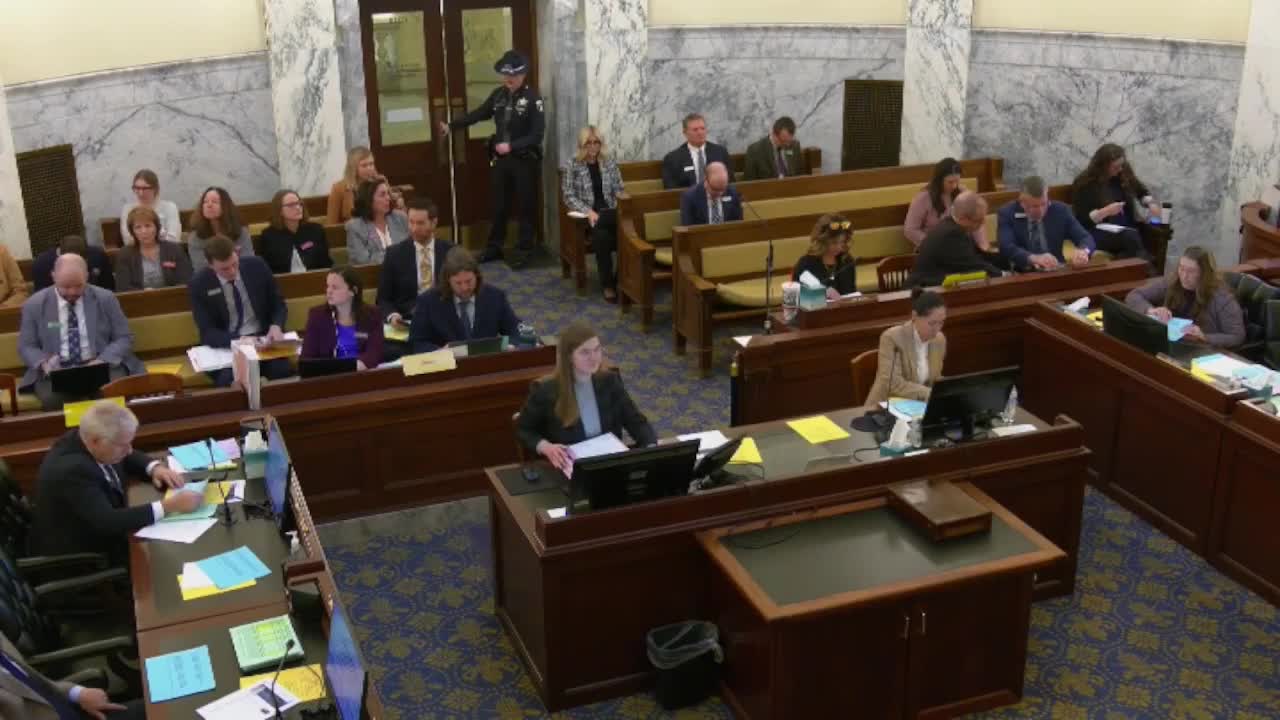
"Thank you, Mr. Chairman. Good morning. For the record, my name is Brooke Dupree and I'm a budget and policy analyst with the Legislative Services Office," Brooke Dupree said as she presented the Department of Labor request. JFAC voted to adjust the department's FY2026 appropriations with a net increase of $161,000 and changes in fund sources and full-time positions.
Senator Cook moved the budget motion and described the package as a $5,000,000 increase from the Employment Security Special Administration Fund offset by a $4,839,000 reduction in federal grant funds and a 15.58 full-time-position reduction from federal grants, for a total net increase of $161,000. After committee discussion, the motion received a due-pass recommendation; the committee clerk reported a grand total of 14 ayes and 5 nays and the chair announced the motion will go forward with a due-pass recommendation.
Committee members and staff discussed that the change was proposed because the state's unemployment numbers have been low and the federal grant award is expected to decrease; staff noted the director of the Department of Labor proposed the adjusted funding mix to stabilize operations. A committee member asked, "How quickly does the federal government change the grant amount based on the unemployment numbers?" Staff responded that they did not have the federal timing detail immediately but would follow up with the committee.
Separately, the committee considered two pieces of non-appropriations "intent" language requested for the department. The first would require a report analyzing the impact of illegal immigration on the state's labor market; the second would require a cost review of administering disability determination services at the state level versus federally. Proponents said the reports would give the Legislature better information when weighing policy options; opponents raised separation-of-powers concerns and cautioned that federal disability law (Americans with Disabilities Act and related federal requirements) constrains state action.
Senator Cook moved to adopt the language; Representative Tanner seconded. Roll-call votes showed the Senate majority supported the language (recorded as 8 ayes, 2 nays) while the House side of the committee did not (recorded as 4 ayes, 5 nays, 1 absent), and the chair announced that because the House did not vote in the affirmative the language failed in committee and will be transmitted to the House for further action.
Ending: The budget adjustments advanced with a due-pass recommendation; the two requested reports did not secure the House side majority in committee and failed there but will be available to House members for further consideration.