Get Full Government Meeting Transcripts, Videos, & Alerts Forever!
Senate passes lobbying recodification after lengthy debate over 'indirect lobbying' definition
Summary
House Bill 3-98, the lobbying recodification and reporting bill, passed the Idaho Senate after extended debate over a new definition of “indirect lobbying.”
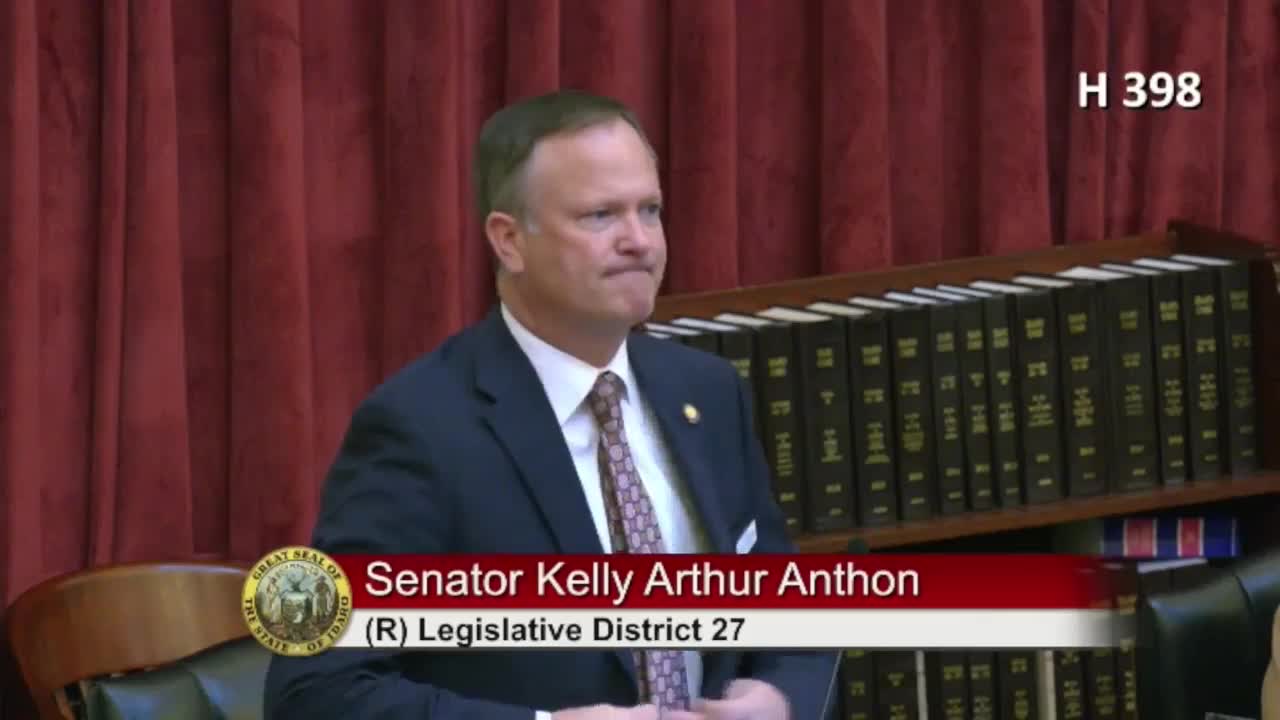
House Bill 3-98, the lobbying recodification bill, passed the Idaho Senate on April 2 after extended floor debate that centered on a new definition of "indirect lobbying" and expanded reporting requirements for certain paid outreach.
Sponsor Senator Anthony said the bill reorganizes existing law—moving lobbying code from Title 67 to Title 74—and adds new reporting and disclosure requirements for modern communications, including social media, email solicitations and small paid ads. "Sunshine's a good thing," Anthony told the chamber as he urged support.
Why it matters: supporters framed the bill as modernization of decades-old law so voters can see who pays for online and indirect influence; critics said the bill's broad language could make compensated grassroots activity subject to lobbyist registration, raising First Amendment concerns and creating barriers for small campaigns and civic groups.
Major elements and debate - Recodification and transparency: the bill moves existing lobbying statutes into Title 74 (the "transparent ethical government" section) and requires monthly reporting for registered lobbyists year-round, with 48-hour reports for indirect lobbying expenditures above specified thresholds. - Indirect lobbying definition: the most contested change adds a definition of indirect lobbying to include attempts to influence public opinion about legislation or public officials by email, direct message, door-to-door and social media; the sponsor said the definition clarifies when online spending must be reported. - Exemptions and thresholds: the bill retains exemptions for individuals who receive no compensation and defines a small-compensation carve-out (exempting those whose lobbying compensation does not exceed $250 per quarter in one presentation on the floor). Supporters repeatedly pointed to statutory exemptions that keep individual constituents from being swept into registration. -…
Already have an account? Log in
Subscribe to keep reading
Unlock the rest of this article — and every article on Citizen Portal.
- Unlimited articles
- AI-powered breakdowns of topics, speakers, decisions, and budgets
- Instant alerts when your location has a new meeting
- Follow topics and more locations
- 1,000 AI Insights / month, plus AI Chat