Lawmakers and witnesses raise community and environmental concerns over rapid data center growth
Get AI-powered insights, summaries, and transcripts
SubscribeSummary
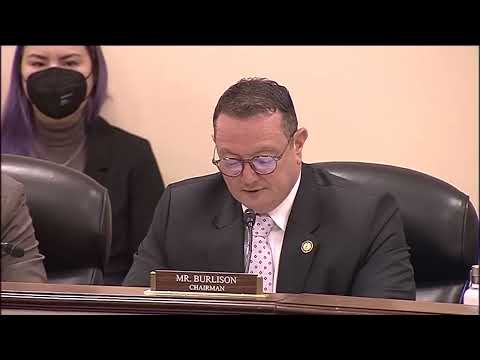
Committee members and witnesses at a House Oversight subcommittee hearing highlighted water use, diesel-generator emissions, local tax deals and possible rate increases tied to fast data-center buildouts, urging stronger local protections and demand-management measures.
At the same House Oversight and Reform subcommittee hearing, members and witnesses raised concerns about local community and environmental impacts from rapid data-center expansion, citing water consumption, diesel backup-generator emissions, limited local job creation in some deals, and pressure on utility rates.
Ranking Member Frost recounted examples of local incentives and low job counts, saying a Microsoft data center in New Albany, Ohio received a 15-year property tax exemption while “expecting to create just 30 jobs with an average salary of $50,000 a year.” He and other members warned that large tax incentives negotiated by local governments can leave communities with limited revenue for schools and services.
Tyson Slocum of Public Citizen told the panel that data centers often maintain large diesel backup generators that are “not clean burning” and that regular testing can expel “black fumes of toxic smoke over entire neighborhoods,” with attendant health concerns. Slocum also cited a Caltech study, quoted earlier in testimony by a member, that researchers estimate AI data-center operations cost people “tens of billions of dollars in health care costs and resulted in more than 1,000 premature deaths” between 2019 and 2023; that finding was referenced by Ranking Member Frost during his remarks.
Representative Subramuniam of Virginia described Northern Virginia as a cautionary example, noting the district hosts more data centers than any other congressional district and that clustered development has led to transmission-line projects, water-pressure concerns, and pressure on household utility bills. “If my district were a country, it had more data centers than almost every other country in the world,” Subramuniam said.
Representative Ansari of Arizona said data centers concentrate computing that requires large cooling loads and warned that water-scarce Western states need safeguards: “A recent study showed that a single data center can consume up to 5,000,000 gallons of drinking water per day,” she said, calling for recycling, reuse, and siting decisions mindful of local water resources.
Witnesses suggested mitigations including demand-response programs, on-site battery storage, the use of cleaner on-site generation or blended renewables with storage, stronger regulatory oversight of incentive deals, and greater transparency in utility–data center arrangements. Slocum urged congressional oversight of potential use of emergency authorities to accelerate infrastructure deployment and raised concerns about LNG export policy effects on domestic gas availability and prices.
The panel included examples of community pushback and local decisions: members cited Prince William County’s blocking of a “digital gateway” project and petitions from residents in Loudoun County and other localities opposing transmission lines and data-center siting.
Ending: Members and witnesses asked for additional studies and for federal guidance to balance national AI infrastructure goals with local environmental, health and fiscal protections; no formal local or federal action was taken at the hearing.