Get Full Government Meeting Transcripts, Videos, & Alerts Forever!
Get email alerts on the Textbooks Adoption topic
No spam. Unsubscribe anytime.
District recommends new math and selected history texts; board members ask how books will be used
Summary
The curriculum office recommended adoption of state‑approved grades 6–12 math textbooks and several history/social‑science texts for elective and AP/IB courses. Board members asked how teachers and students will access and use textbooks, and whether digital resources and open educational resources are being considered.
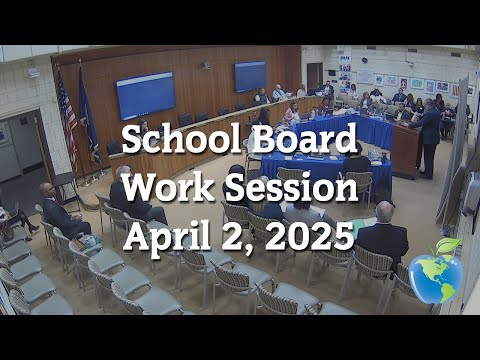
Bruce Brady, executive director of curriculum and instruction, and his mathematics and history/social‑science coordinators presented recommended textbooks for adoption in K–12 mathematics (grades 6–12) and selected history/social‑science courses and electives. The presentation described the state review process, local teacher committees’ vetting, public‑comment opportunities and where sample materials were placed for board review.
Brady said the books recommended for grades 6–12 mathematics are on the Virginia Department of Education approved list and the recommended materials for history/social‑science electives and AP/IB courses include primary sources, multiple perspectives and scaffolds for diverse learners. He said the district will continue to align resources to the new 2023 VDOE standards and intends to return in a subsequent cycle for the grades/courses subject to new state standards.
Board members asked several practical questions about classroom use and return on investment. One board member who said she is a community‑college math instructor said she rarely sees high‑school students take textbooks home and asked how the materials would be used in practice. Brady and the math coordinators replied that textbooks are one of multiple instructional resources, that teachers plan to standards and that the textbooks include teacher resources and professional development packages; they also said prior digital contracts had lapsed and that the division is negotiating with publishers for both print and digital access. Staff said they also use open educational resources to supplement materials.
Board members asked about monitoring and expected usage. Central‑office specialists said they conduct classroom observations, professional development and specialist coaching; if a teacher is not using aligned resources, coordinators said they provide targeted PD and supports. The presenters said textbook funding will come from the division’s textbook allocation and that sample copies are available for review in the board materials that accompanied the work session.
No adoption vote was taken at the work session; staff will return to the business meeting with the formal recommendation for board action and final pricing information.