Get Full Government Meeting Transcripts, Videos, & Alerts Forever!
Get email alerts on the Appellate Procedure topic
No spam. Unsubscribe anytime.
Court takes argument over whether bench could sua sponte revive an expired appeal in sale-dispute case
Summary
Appellate argument focused on whether a trial judge may, sua sponte, set aside a prior order after the statutory appeal period has expired, in a case arising from a dispute over a vehicle auction purchase.
The Appeals Court heard argument April 3 in Josh Anyasa v. Copart of Connecticut, Inc. (2024-P0821) concerning whether a trial court judge and the district appellate division exceeded authority by reversing an earlier ruling and issuing relief after the time for appeal had expired.
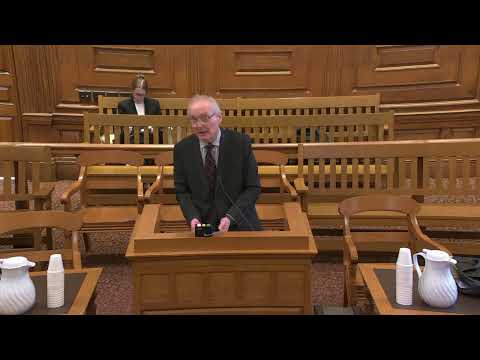
Appellant counsel Warren Hutchinson argued the district court acted without authority when it effectively reversed a prior dismissal and ordered further proceedings without a motion by the prevailing party. Hutchinson noted the federal circuits are split on whether Rule 60(b) relief can be granted sua sponte and emphasized there is no binding Massachusetts authority allowing a judge to resurrect an expired appellate right without notice and without a motion. "There was never a motion, written or oral, by this plaintiff that the prior decision be reconsidered," Hutchinson told the panel.
Why this matters: the parties disputed whether courts can, on their own initiative, vacate or set aside a final ruling under Rule 60(b) after appeal windows close. The question implicates appellate finality and whether trial courts may cure procedural defects for parties after statutory appeal deadlines.
Opposing counsel had argued below that the district court’s action was permissible and that, even if the judge had discretion, the underlying appeal itself was not perfected under the district court’s appellate rules. Hutchinson urged reversal and remand, describing the district court’s and appellate division’s actions as internally inconsistent.
The panel pressed counsel about the absence of a transcript for the judge’s bench statement reversing himself; Hutchinson said the judge explained on the bench that he had “made a mistake” and therefore was reversing, but the oral remarks were not in the record submitted to this court. The panel signaled it would order supplemental briefing and consider federal decisions cited by counsel given the absence of controlling Massachusetts precedent.
No bench ruling was announced; the court will issue a scheduling order for additional written submissions under Mass. R. App. P. 22.
Ending: The panel thanked counsel; matter submitted for further briefing and decision.