Get Full Government Meeting Transcripts, Videos, & Alerts Forever!
Get email alerts on the Firearms Regulation topic
No spam. Unsubscribe anytime.
Appeals court hears constitutional challenge to firearms "suitability" licensing language
Summary
In Commonwealth v. Robert L. Brown the panel heard argument over whether pre-2022 Massachusetts firearms licensing language on "suitability" gives unlawful discretion to licensing authorities; counsel debated Marcus, Donnell, Bruen and how recent SJC rulings affect facial challenges to the licensing scheme.
The Appeals Court heard argument April 3 in Commonwealth v. Robert L. Brown (2024-P0512), a challenge to Massachusetts firearms licensing language that allows licensing authorities to deny permits based on a suitability determination.
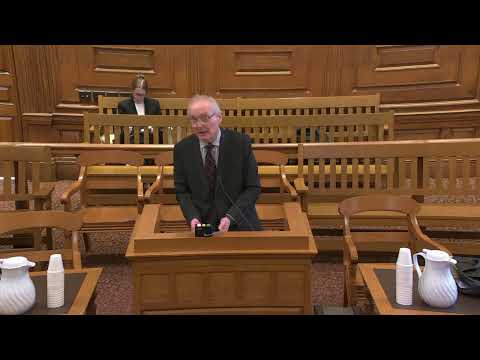
Andrew Lovechuk, arguing for Robert Brown, told the panel the case focuses on the statute’s suitability component and asked for the opportunity to brief the court on recent Supreme Judicial Court decisions. “The suitability determination is what we focused our challenge on,” Lovechuk said, arguing that changes since the defendant was charged do not eliminate the constitutional questions that he now presses.
Why this matters: the parties disputed whether the statute under which Brown was charged is materially indistinguishable from the statute the SJC considered in Marcus and whether Donnell (sometimes cited as "Donald" in the transcript) requires remand or different briefing. Lovechuk argued that Donnell’s findings about the pre‑2022 licensing regime could bear on convictions that predate the August 2022 amendments.
Christopher Nichols, for the Commonwealth, countered that Marcus narrows the scope of valid constitutional attack and that the Commonwealth’s view is the pre-2022 and post-2022 versions differ in meaningful ways (including may/shall language and other provisions). Nichols said the storage statute (G.L. c. 131L) and the licensing statute (c. 131D) should be assessed under the Bruen framework but that long-standing public-safety regulations (locking or securing firearms, for example) remain consistent with the nation’s regulatory tradition.
The justices pressed both sides on waiver and standing doctrines and on whether the defense can raise a facial challenge that was not advanced below. Lovechuk urged that “this is a purely legal issue” and that the court should allow further briefing on Marcus and Donnell’s applicability. The Commonwealth argued the point is waived if not raised at trial and that recent precedent was available to trial counsel.
No decision was issued from the bench. The panel reserved the matter and indicated it would make further orders about additional briefing.
Ending: The court said it would provide an order on further briefing timelines.