Get Full Government Meeting Transcripts, Videos, & Alerts Forever!
Get email alerts on the Homelessness Services topic
No spam. Unsubscribe anytime.
Residents, unhoused advocates press New Haven for public restrooms, storage and tiny homes
Summary
Multiple public commenters at the finance committee hearing urged the city to prioritize public restrooms, safe storage for personal belongings and tiny‑home or other permanent shelter solutions instead of expanding police budgets.
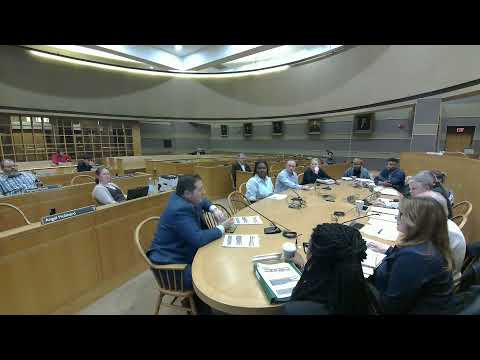
A string of public commenters at the March 20 finance committee meeting urged New Haven leaders to shift budget priorities toward public restrooms, secure storage for people who are unhoused, and tiny‑home or low‑barrier housing solutions rather than increased policing and enforcement.
Why it matters: Several speakers described sweeps of encampments and the loss of life and property when people’s belongings are discarded. They argued that basic infrastructure — 24‑hour restrooms, lockers for storage, and sanctioned tiny‑home communities — would reduce harm and public expense and preserve human dignity.
Key testimony: Alexis Terry, who identified an address on State Street and said she represents an organizing group, urged action on “permanent 24 hour access bathrooms located central to the [downtown] transit area” and storage for personal items. Terry said sweeps remain “a life‑threatening event” and called the mayor’s proposed $8.9 million increase in police funding a misplaced priority.
Advocates also called for safe storage so people can seek employment without carrying their possessions. Jamil Savak, speaking for an unhoused advocacy group, asked for “permanent public bathrooms and storage space for the unhoused to safely store their belongings” and said those services would help people find jobs and stabilize their lives. Several speakers including Suki King and Mark Colville praised tiny‑home projects and urged the city to expand them or transfer successful private pilot projects into public programs.
Budget tradeoffs and city response: Commenters contrasted calls for housing and public‑health investments with the mayor’s proposed increase in police spending. Speakers said reallocating even a small portion of the police increase could fund extended shelter hours, storage lockers or a tiny‑home site. The finance committee did not take direct budget action on these requests at the March 20 session; the public hearing portion was closed and departmental workshops continued.
What’s next: Advocates said they will return to the April hearings to press the committee for funding or pilot programs for public restrooms, storage lockers and tiny homes. The committee signaled several additional budget meetings before finalizing the 2025–26 budget.