Get Full Government Meeting Transcripts, Videos, & Alerts Forever!
Get email alerts on the Professional Licensing topic
No spam. Unsubscribe anytime.
Committee backs consolidation of three allied health licensing boards to one board of allied health professionals
Summary
Lawmakers approved House Bill 502 to merge three low‑volume licensing boards for clinical laboratory scientists, radiologic technologists and respiratory therapists into a single Board of Allied Health Professionals, officials said it will save administrative costs and preserve discipline expertise.
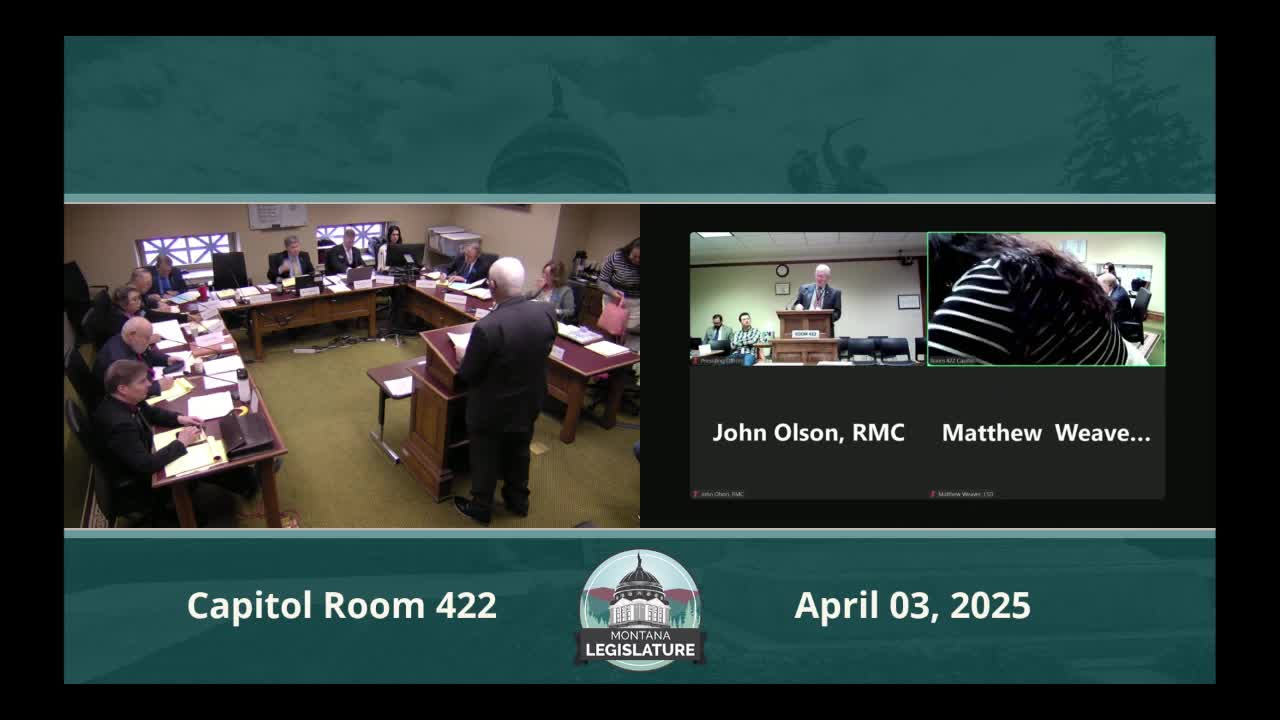
The Senate Business & Labor Committee voted to pass House Bill 502, which consolidates three existing professional licensing boards into a single Board of Allied Health Professionals under the Department of Labor and Industry.
Sponsor Representative Greg Oblander told the committee the measure reduces administrative overhead by combining the boards for clinical laboratory scientists, radiologic technologists and respiratory therapists into one seven‑member board with two representatives from each profession and one public member. "This will save administrative cost in administering these boards and provides for these groups who wanted to work together to come as one board," Oblander said.
Sarah Swanson, commissioner of the Department of Labor and Industry, and Kevin Bragg, bureau chief for professional licensing, testified in support. Swanson said each profession will retain two dedicated members on the consolidated board to preserve discipline expertise for rulemaking and discipline screening panels. "It's important that members of the profession are the members of the screening panel, should there be a discipline case," Swanson said.
The department provided counts of licensees: 1,091 clinical laboratory scientists, about 1,008 respiratory care providers and approximately 2,157 radiologic technologists in Montana. Bragg said consolidating low‑volume boards will let staff reallocate resources and move from reactive to more proactive licensing processing.
Oblander noted a phased effective date: the consolidation will not take effect until Jan. 1 to allow current boards to finish rulemaking and wrap up outstanding work. Committee members had no opponents and no informational witnesses raised objections. The committee voted to pass the bill.
Why it matters: supporters said consolidation reduces duplication, lowers costs, and retains professional subject‑matter representation for discipline and rulemaking. The bill was presented as part of a broader effort to reduce the number of licensing boards and improve customer service for applicants.
Ending: With committee passage, HB 502 moves to the full Senate. The bill's supporters say the change preserves professional oversight while streamlining administrative tasks.