Get Full Government Meeting Transcripts, Videos, & Alerts Forever!
Get email alerts on the Rezoning Motor Vehicle Sales topic
No spam. Unsubscribe anytime.
Commission approves small used‑car lot along Gum Creek Church Road with conditions after heavy neighborhood opposition
Summary
The commission approved rezoning for roughly 0.63 acres at Highway 81 and Gum Creek Church Road to permit motor vehicle sales, restricting cars to 15, requiring hard surfacing, underground drainage and banning on‑site repairs after neighbors submitted hundreds of signatures opposing the use.
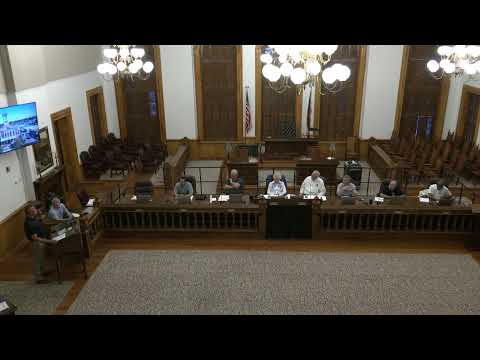
Walton County commissioners approved a rezone request to allow a small motor vehicle sales lot on a 0.63‑acre parcel at the Highway 81 and Gum Creek Church Road intersection, subject to several conditions intended to limit traffic, environmental risks and visual impacts.
Applicant Nathaniel (Nate) Sankar told the board he intends to operate a late‑model used car business and drive vehicles to the site from his existing garage roughly 2.3 miles away. “It's gonna be late model cars... I try to stay above $10,000 and above,” Sankar said, and he told commissioners he expects to keep roughly 15 to 18 vehicles on the lot at any time.
Opposition to the request was broad and organized. Residents and nearby property owners cited concerns about traffic, drainage and a decline in neighborhood character if a car lot occupies the corner. John Swope, who led a neighborhood petition effort, told the board organizers had collected more than 200 signatures against the rezoning. “We went and got 207 signatures of people who live on or around Gum Creek Church Road opposing this rezoning as a car lot,” Swope said.
Other neighbors raised environmental concerns (potential fuel and fluid leaks), crime and nighttime light pollution, and said the small parcel and roadside ditches could complicate drainage. John Wayne McKee, who lives nearby, told the board the tract is small and that he feared a makeshift lot would degrade the rural residential character; Jeff Monk, a nearby landowner who runs a small farm, argued that the isolated rural location could make vehicles on the lot a target for theft and that groundwater and drainage could be affected by vehicle fluids.
Planning staff and commissioners negotiated conditions intended to limit the lot’s impacts. The motion to approve (read into the record by a commissioner) restricted the site to auto sales only (no repair/maintenance on‑site), capped the number of vehicles at 15, required that all parked vehicles be running and in good condition (no junk or run‑down cars), required a hard surface (asphalt or concrete) for all display/parking areas, prohibited on‑site offloading (car carriers must unload off‑site) and prohibited car haulers blocking Gum Creek Church Road or Highway 81. The motion also required underground retention/drainage improvements.
The board voted and the motion passed, recorded in the minutes as a 4–2 result. Commissioners’ public remarks identified two commissioners as voting in opposition during roll call and tally announcement; the board instructed that any future changes to the business or deviations from the conditions must return to planning and the commission.
Why this matters: neighbors said the parcel is within a largely rural/residential corridor and that conversion to an active car lot could increase traffic, change the visual character and introduce stormwater and hazardous‑materials risks. The board’s approval trades an immediate land‑use change for a tighter set of site controls and drainage requirements.
Next steps: the applicant must install the required hard surfacing and underground retention, limit on‑site inventory to the permitted count, and not perform repairs or accept offloading on‑site. Planning staff will treat the approval as conditional and require compliance with the stated restrictions; any change of use or expansion must receive further county approval.
Ending: The board’s conditional approval concluded the public hearing on the item. Residents said they intend to monitor compliance and urged enforcement of the drainage and no‑repair rules.