Get Full Government Meeting Transcripts, Videos, & Alerts Forever!
Get email alerts on the Healthcare topic
No spam. Unsubscribe anytime.
Committee advances bill requiring earlier insurer coverage of continuous glucose monitors
Summary
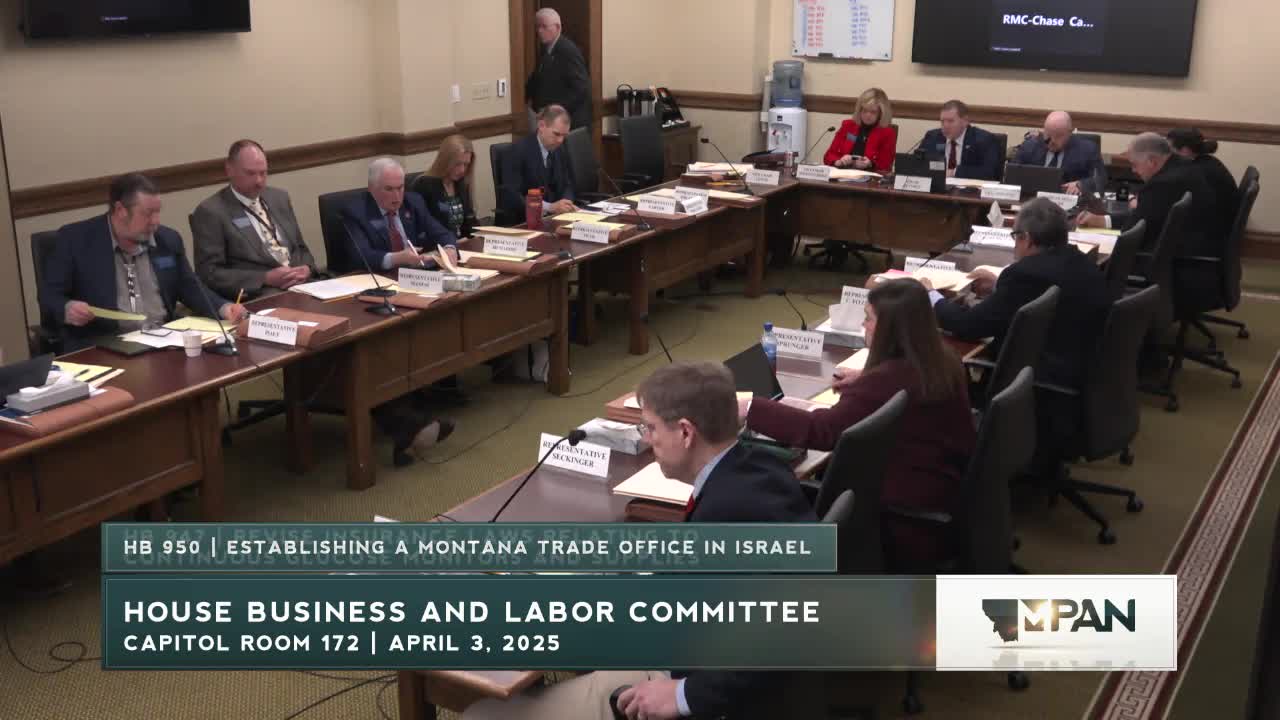
House Business & Labor heard HB 947 to require private insurers cover continuous glucose monitors (CGMs) before patients are insulin-dependent. Proponents cited cost savings and better long‑term outcomes; insurers present as informational witnesses signaled no opposition during the hearing. Committee later passed the bill.
House Bill 947 would require private insurance coverage of continuous glucose monitors (CGMs) when clinicians determine they are medically necessary for people with type 1 or type 2 diabetes — removing a requirement common with some payers that patients be on daily insulin before CGM coverage is authorized.
Why it matters: CGMs provide continuous, 24‑hour glucose readings, reporting trends and alarms for high and low glucose. Supporters argued earlier access prevents disease progression, reduces later high-cost medication use, and improves safety and quality of life.
What sponsors and proponents said: Representative Fiona Nave (R‑House District 56) — the sponsor — described the clinical value of CGMs, the difference between single-point fingerstick testing and continuous monitoring, and said CGMs can prevent or delay the need for daily insulin in some patients. She supplied a fiscal-comparison handout showing retail and out‑of‑pocket cost contrasts among a daily insulin product (Tresiba), CGM sensors (example: Dexcom G7 sensor packs), and GLP‑1 drugs (e.g., Ozempic), arguing that earlier CGM use could reduce downstream spending on expensive medications.
Industry and insurer perspectives: The committee heard an informational witness from Drew Chuck (representing insurers) who said his carrier did not oppose the bill and that their policies already cover CGMs in ways aligned with current medical guidelines. Chuck said the narrower scope of the current draft, plus falling CGM costs and changes in Medicare guidance, reduced fiscal concerns and likely removed exposure to state defrayal. He told the committee that no defrayal liability (state reimbursement to insurers) was identified during testimony.
Questions from committee members addressed Medicaid/Medicare rules, whether CCDF or other federal funds restrict capital investments (for other bills), and whether insurers view CGMs as preventive and cost‑effective. Chuck and other witnesses indicated that payers base coverage on evolving clinical guidance and cost‑effectiveness, and that CGM pricing has been falling.
Outcome: The committee advanced HB 947 in executive action. The committee chair observed prior sessions had produced larger fiscal concerns tied to defrayal; witnesses and sponsor said the current language narrowed the scope and removed that exposure. The bill passed committee and will move to the House floor for further consideration.