Get Full Government Meeting Transcripts, Videos, & Alerts Forever!
Get email alerts on the Rezoning Aviculture topic
No spam. Unsubscribe anytime.
Walton County approves rezoning for parrot breeder with conditions after neighbor objections
Summary
The Board of Commissioners approved a rezoning request for 2435 Daniel Cemetery Road to permit the commercial breeding and wholesale sale of small parrots, imposing conditions on setbacks, bird counts, lighting, cleanup and retroactive permits after residents raised noise, waste and water concerns.
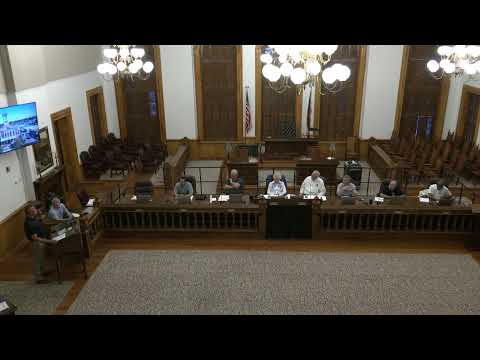
Walton County commissioners approved a rezoning request for 2435 Daniel Cemetery Road on a motion after a public hearing and discussion, allowing the owner to breed and wholesale small parrots under specific conditions.
The applicant, Igor Mitrovic, asked the commission to rezone 6.63 acres from A1 (agricultural) to a use that would permit raising and selling pet parrots wholesale. “I am here tonight to request your approval for my rezoning from A1 to A, so that I can raise pet parrots, for sale for, to obtain a business license from the county,” Mitrovic said during his presentation, and he showed photographs and described climate-controlled housing for many of the birds.
The rezoning matter drew several neighboring residents to speak in opposition, citing noise, light, and water-quality concerns and alleging onsite trash and dead birds near a creek. Robert Connerly, a neighbor, said he had heard birds on his property and worried about property values. Matt Dietzel, who lives roughly 600 feet from the site, told the board he had observed up to 800 birds on-site and alleged animal carcasses and dumped bird food bags near an on-site creek; he asked the commission to investigate potential impacts on downstream water.
Dr. Elizabeth Mackey, the avian veterinarian who inspects the operation for USDA purposes, spoke in support of Mitrovic’s husbandry and clarified the permitted animal count. “His currently licensed number is 1,650,” Dr. Mackey said, describing that USDA-issued limits are species-specific and that inspectors can recommend changes based on species and facility conditions. She also told the board that the birds are diurnal and should not be noisy at night if husbandry practices are proper.
After discussion, the board voted to approve the rezoning subject to a set of conditions derived from the planning commission’s recommendation and additional restrictions spelled out at the meeting. The conditions outlined by the motion (as read into the record) include: approval of the reduced setbacks/variance requested at planning commission; a cap on the number of birds not to exceed 1,650 at any given time (matching the USDA authorization cited by the applicant’s veterinarian); rezoning limited to the specific use requested; removal/cleanup of an on-site dump pile in a timely manner; downward-directed exterior lighting with cut-off hours (lighting off at 8 p.m. during months when it grows dark later and at 6 p.m. when nights are longer, per the board’s readback); installation of additional sound barriers along the side of the property nearest objecting neighbors; and submission of a retroactive building permit for structures already constructed without a permit.
The applicant said many structures are permitted (e.g., Building 6 and the slab were inspected) and that other existing pole-barn–type structures predated his purchase. Mitrovic acknowledged he inherited an old trash pile from the prior owner and said he has bids to haul it away; he also told commissioners he had posted no-dumping signs and offered to provide camera footage to show lights are not on overnight. He said he operates under USDA oversight and that many buildings are climate-controlled to meet animal welfare standards.
The board’s motion added requirements about limiting further development on the parcel and emphasized compliance with county building and zoning permits. The motion carried; the board’s announcement recorded that the item “passes” after the vote.
Why this matters: the decision balances property‑rights and small‑business activity against neighborhood quality‑of‑life and environmental concerns. Commissioners cited the planning commission’s prior review and USDA oversight in framing conditions. The county’s permit and inspection processes will be the primary enforcement path for numerical limits and welfare standards.
Next steps: the applicant must secure any required retroactive permits, comply with the cleanup and lighting conditions, and remain within the authorized bird-count cap. If the USDA permit or species mix changes materially, staff and the board said such changes should be reported to the county and may require follow-up review.
Ending: Staff confirmed the planning commission had recommended approval with conditions; the commission’s action concluded the public hearing and established the listed conditions as part of the rezoning approval.