Get Full Government Meeting Transcripts, Videos, & Alerts Forever!
Get email alerts on the Medical Workforce topic
No spam. Unsubscribe anytime.
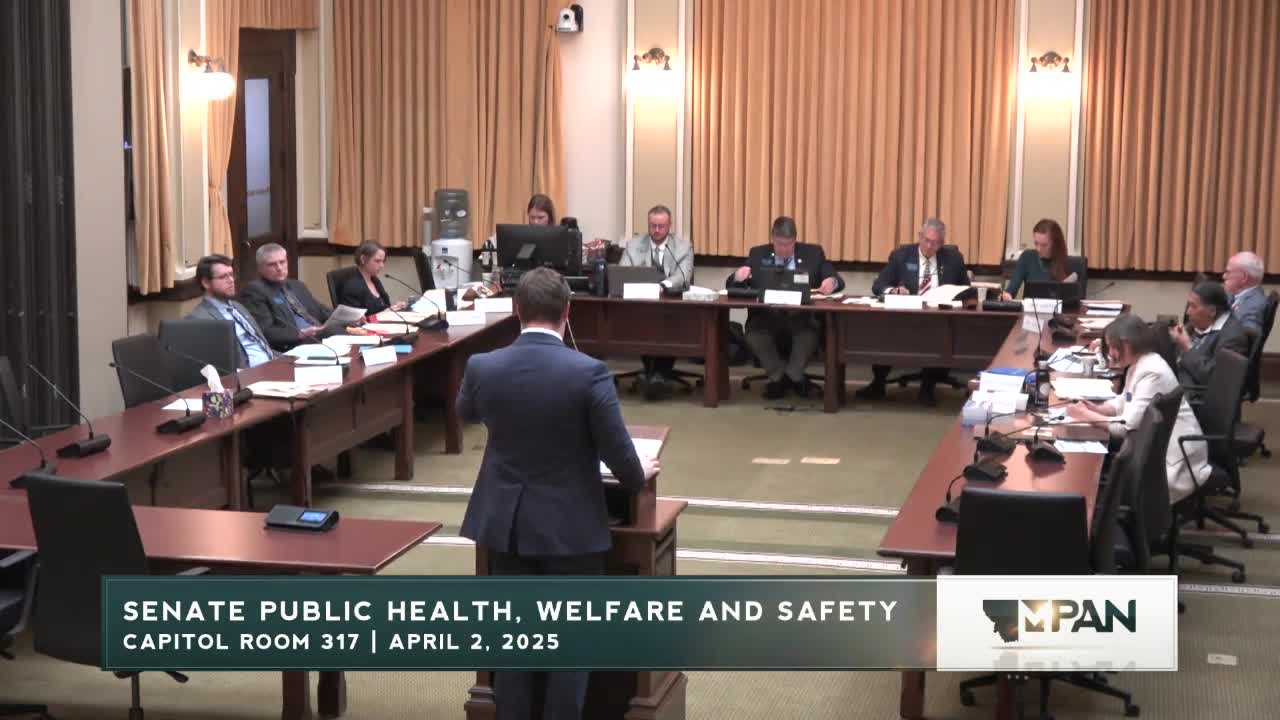
Committee hears bill to create provisional license for medical graduates without residency
Summary
Senate Bill 563 would create a provisional license pathway allowing medical graduates who have not matched to residency to work under supervision in Montana. Supporters said it would help rural access; physicians' groups opposed over training and patient‑safety concerns. An amendment expanded licensure categories.
Senator Ken Bogner, sponsor of Senate Bill 563, told the committee Montana faces a rural health workforce shortage and that the bill would create a supervised pathway for graduates unable to secure residency slots to practice under collaborative agreements. The sponsor said the bill is modeled on Maryland's program and noted other states have similar frameworks.
The Montana Medical Association's CEO, Jean Branscum, spoke in opposition. She described the residency match and supplemental offer process, and told the committee that 92–95 percent of U.S. graduates secure residency positions; she said applicants who go unmatched often have academic or other challenges that make them poor candidates for supervised independent practice. Branscum and other physician witnesses warned the bill does not specify accrediting standards, minimum training durations, or limits on foreign medical graduate eligibility. They recommended expanding residency programs instead and urged a "do not pass" recommendation.
Clinton O'Connor, chief legal counsel for the Department of Labor and Industry, provided informational comment and said the department had drafted amendments that would add coordination language and create three license types rather than a single provisional credential. Committee members reviewed that amendment; sponsor Bogner described it as adding clarity and aligning with related House Bill 414 language.
Committee debate focused on safeguards, collaborative practice agreements, oversight by the Board of Medical Examiners, and alignment with other bills. The committee approved an amendment that inserted an additional license category; later in executive action the committee voted to pass SB 563 as amended. No implementation specifics were adopted at the hearing level; the department indicated it had suggested language and was prepared to work on rule language if the bill moves forward.