Get Full Government Meeting Transcripts, Videos, & Alerts Forever!
Get email alerts on the Prosperity Workforce Programs topic
No spam. Unsubscribe anytime.
Supporters urge continuation of 'Prosperity' workforce grants; bill would rename and align statute for local boards
Summary
Local workforce partners and the Urban League described successful outcomes from the Prosperity programs and asked lawmakers to extend funding and codify the initiative. The committee heard an amended draft that aligns language with another workforce bill (HB 3029).
Local workforce partners and nonprofit providers told the House Higher Education committee that continuing the Prosperity workforce programs yields measurable employment outcomes and asked for statutory extensions and funding.
Lede: House Bill 3669 would extend and revise the state’s Prosperity programs (formerly Prosperity 10,000) to continue place‑based workforce grants and to align statutory language with House Bill 3029, which clarifies roles between HEC and local workforce boards.
Nut graf: Testimony emphasized the program’s return on investment, with supporters describing individual success stories—from reentry participants who obtained CDLs and started businesses to women who entered construction trades and purchased homes. Witnesses described a reduced need for social services and improved economic stability following program participation.
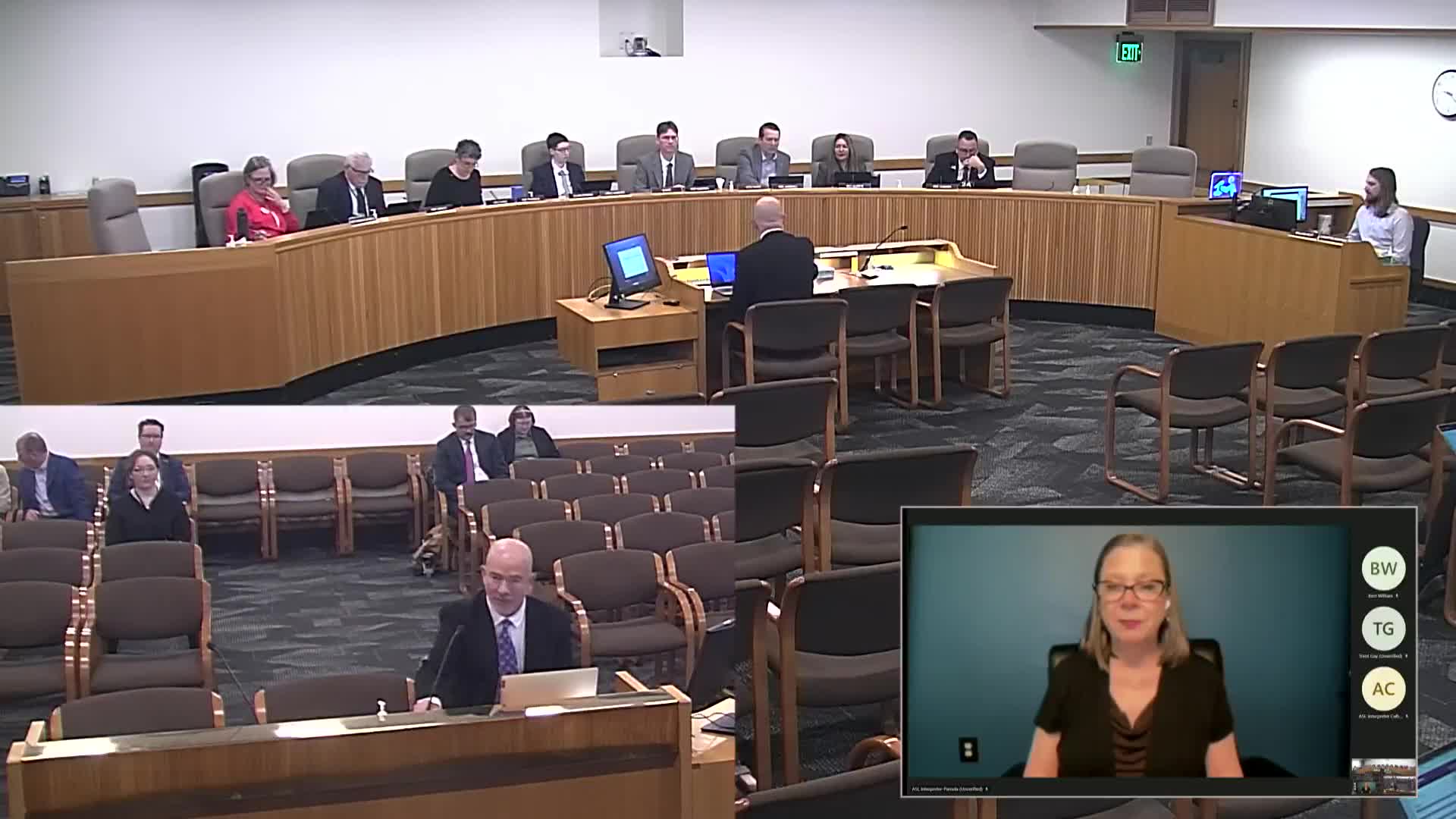
Doug Riggs of the Oregon Workforce Partnership summarized the bill and an anticipated dash‑1 amendment. He said the proposal seeks $35 million (down from an earlier higher request) and would add entities such as Greater Portland Inc. as eligible grant recipients, aligning language with HB 3029 to clarify roles. Trent Gay of the Urban League of Portland described participant success stories and urged support, highlighting the programs’ role in reentry, wraparound services and economic mobility.
Representative Young raised concerns about language that prioritizes certain "priority populations," saying similar language has faced litigation in other states; other committee members defended targeted outreach as necessary to serve underserved groups. Riggs said local boards deploy funds to populations with the greatest need and highest potential ROI. No final committee action was taken during the hearing; the bill remains under consideration and proponents asked for funding and statutory clarity to continue the programs’ work.
Ending: Supporters urged the committee to retain alignment language and to consider continued funding; opponents raised constitutional and legal concerns about population‑based prioritization and requested follow‑up on nondiscrimination and eligibility safeguards.