Get Full Government Meeting Transcripts, Videos, & Alerts Forever!
Get email alerts on the Utility Costs topic
No spam. Unsubscribe anytime.
Bill would align cost-cap rules for utilities' clean-energy compliance; committee to revisit paperwork
Summary
House Bill 3540 proposes a single limit on the cost of compliance for electric utilities subject to the renewable portfolio standard and statutory clean energy targets, aimed at reducing duplicative cost exposure for utilities and customers.
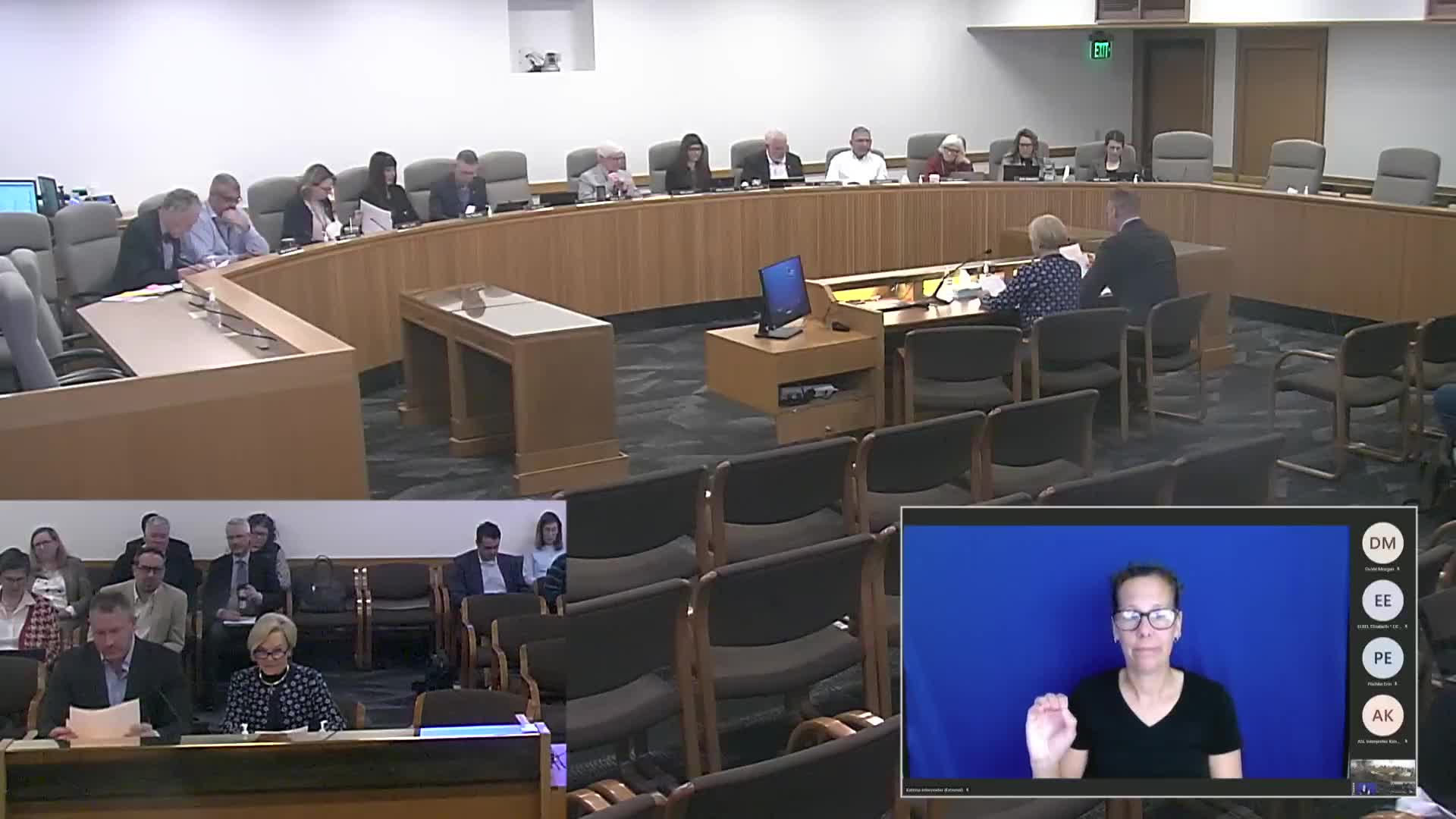
House Bill 3540 would establish a single limit on the cost of compliance for electric utilities that must meet both Oregon's renewable portfolio standard (RPS) and statutory clean energy targets established in prior legislation.
The sponsor, Representative Bobby Levy, described the bill as a way to ensure utilities are not exposed to separate or duplicate cost caps under two overlapping compliance frameworks. The measure creates a unified compliance-cost limit to provide predictability and protect affordability and reliability for customers, particularly in rural areas.
JL Wilson of the Alliance of Western Energy Customers testified in support and explained that the existing RPS and clean-energy compliance pathways each include a 6% cost-cap off-ramp, but the pathways are not aligned and so a utility could meet one requirement and still be exposed to costs under the other. The bill would harmonize the caps to prevent duplicative cost exposure.
Committee members discussed the underlying drivers of recent utility rate increases; Representative Grama and Representative Helm questioned the testimony's premise that clean-energy investment is the principal cause of rising rates and noted wildfire-hardening and storm response costs are also major drivers. Sponsor and witnesses acknowledged differing views and said the bill aims to reduce potential overlapping cost exposures rather than roll back clean-energy goals.
The committee did not have paperwork to move the measure and carried the work session to April 8 for further consideration.
Why it matters: aligning cost-cap mechanisms could affect utility compliance strategy, rate pressures on customers, and how utilities prioritize investments in renewables versus other compliance pathways.
Next steps: committee will revisit the bill with paperwork and possible amendments on April 8.