Get Full Government Meeting Transcripts, Videos, & Alerts Forever!
Get email alerts on the Prison Higher Education Eou topic
No spam. Unsubscribe anytime.
Eastern Oregon University seeks funding to expand bachelor’s programs for adults in custody
Summary
EOU requested startup funding to launch bachelor's programs in two Eastern Oregon prisons; university and county officials said education reduces recidivism and could become self‑sustaining when Pell and completion funds flow.
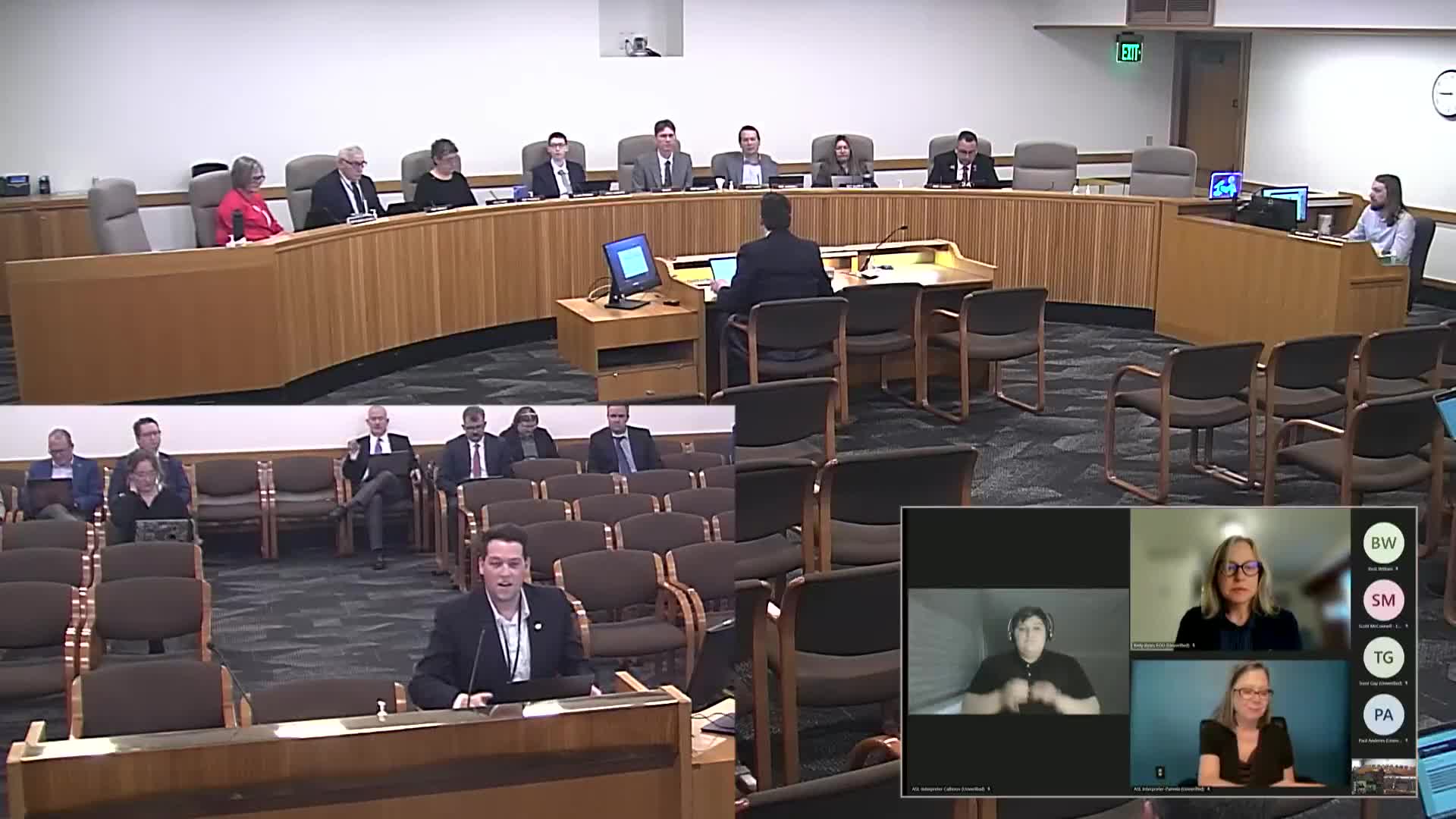
Eastern Oregon University asked the House Committee on Higher Education and Workforce Development on April 3 to fund start‑up costs for offering university‑level coursework to adults in custody at two Eastern Oregon correctional institutions.
Lede: House Bill 2405 (dash 2) directs funds to EOU to launch and operate higher education courses inside Eastern Oregon Correctional Institution and Snake River Correctional Institution, with testimony describing program design, start‑up costs, and expected long‑term sustainability from federal Pell grants and completion dollars.
Nut graf: EOU officials said the initial request covers personnel, faculty training, technology and materials needed to adapt courses to secure environments. They estimated 40 participants at launch, emphasized unique constraints of prison‑delivered instruction and said the program would become financially sustainable after initial cohorts generate Pell and completion funding.
Isaac Insco, testifying for Representative Bobby Levy, called the bill a "rehabilitation, reintegration, and public safety bill," saying higher education reduces recidivism and strengthens communities. Kelly Ryan, EOU president, said the university has presidential commitment and is close to approvals needed to run the program. Scott McConnell, dean of EOU’s College of Business and lead on the adults‑in‑custody program, gave detailed operational and budget elements: faculty training, separate learning management systems that cannot connect to the internet, vetted course materials, on‑site staff to monitor labs, and travel.
McConnell presented data to the committee showing recidivism declines as education level rises and said the program could be self‑sustaining after early cohorts generate Pell dollars and completion credits. He said about 36 percent of Oregon's 12,000 adults in custody are located in Eastern Oregon and that state incarceration costs (testimony cited roughly $77,000 per person per year) make reductions in recidivism fiscally significant. Union County Commissioner Paul Andres and other local supporters told the committee the program fits regional priorities.
Ending: Committee members asked clarifying questions about which institutions would participate first and the program’s timeline. No committee vote occurred; EOU asked legislators to consider the $1.2 million–$2.0 million‑range start‑up package described in testimony to enable launch at two facilities.