Get Full Government Meeting Transcripts, Videos, & Alerts Forever!
Get email alerts on the Gaming Commission topic
No spam. Unsubscribe anytime.
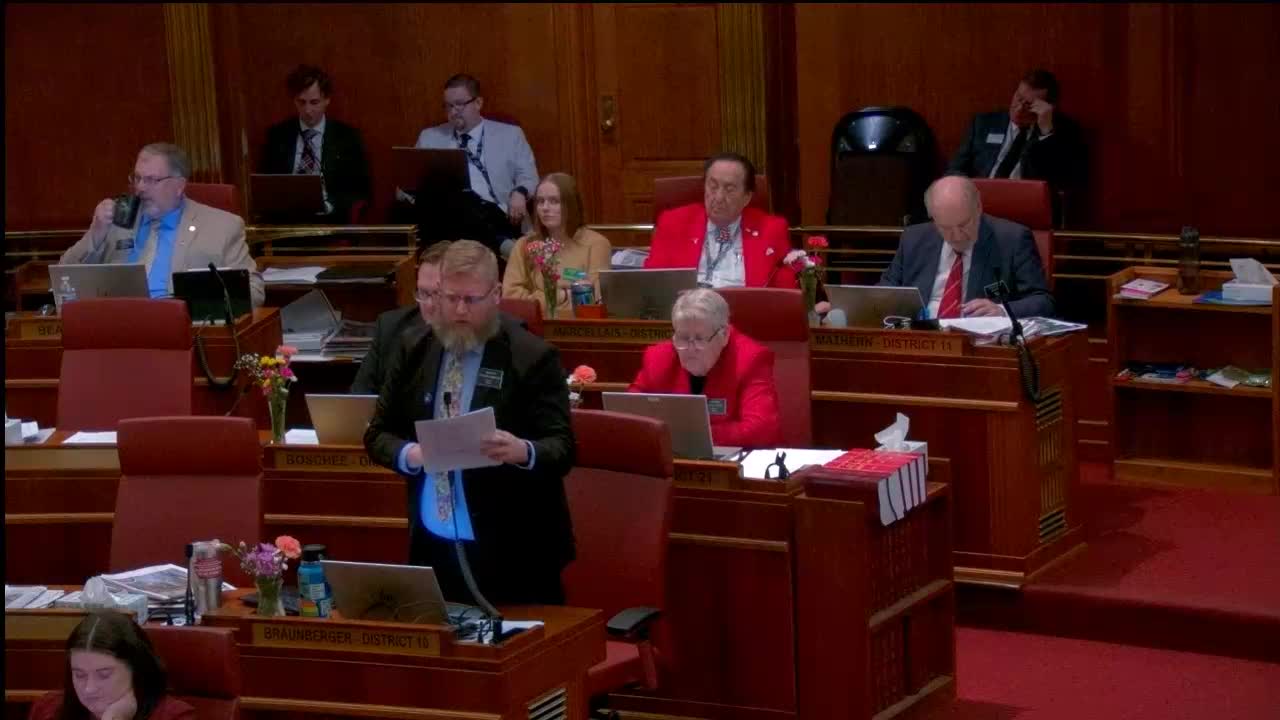
Senate rejects proposal to reestablish a seven-member gaming commission amid conflict-of-interest concerns
Summary
House Bill 1525, which would have reestablished a seven-member state gaming commission including industry representatives and adjusted the attorney general’s role, failed in the Senate 13-34 after floor debate over conflicts of interest and statutory authority.
The Senate on April 3 rejected House Bill 1525, 13-34. The bill would have reestablished a seven-member state Gaming Commission with membership that included industry and municipal representatives, and altered some adjudicatory duties linked to the Attorney General’s office.
Senator Bromberger, the bill carrier, described the commission’s proposed membership: the governor or designee; a member of an organization that conducts charitable gaming; a citizen member at large; a representative of a city or county that authorizes charitable gaming; an owner of an establishment that leases to a charitable organization to conduct gaming; a state senator; and a state representative. The bill also aimed to codify open hearings for major sanctions (for example, suspensions, revocations or fines exceeding $1,000), require quarterly commission meetings and clarify appeals processes to administrative law judges while preserving daily regulatory duties within the Attorney General’s office.
Opponents objected that putting industry participants or entities that directly benefit from charitable gaming on a commission that reviews sanctions could create conflicts of interest (described on the floor as a "fox in the hen house"). Other senators argued the gaming industry is a large, regulated sector and that industry expertise on a governing board is appropriate, citing other occupational boards that include industry members. Additional critiques said shifting adjudicatory powers from the Attorney General to a politically appointed commission could slow enforcement, reduce transparency, and impede timely responses; supporters said the commission would increase openness by holding public hearings for major sanctions.
The Senate rejected the bill on final vote (13 yes, 34 no). Sponsors indicated some provisions may be reworked in follow-up legislation or conference committee discussions, and proponents noted a desire to improve transparency and appeals processes even as the bill failed.