Get Full Government Meeting Transcripts, Videos, & Alerts Forever!
Get email alerts on the Property Tax Primary Residence Credit topic
No spam. Unsubscribe anytime.
Senate adopts changes to primary residence tax credit, funds from legacy earnings
Summary
The North Dakota Senate approved amendments and final passage of House Bill 1176 on April 3, 2025, adjusting the primary residence property tax credit, adding a 75% "skin in the game" limit with a $500 minimum hold harmless, and directing legacy earnings to fund the program; the measure passed final passage 47-0.
The North Dakota Senate on April 3 approved amendments to and then passed House Bill 1176, a broad rewrite of property tax relief that creates a primary residence classification, expands homestead provisions and uses legacy earnings to fund a new primary residence credit. The amendment adding a 75% "skin in the game" limit with a $500 minimum hold harmless passed 31-16; final passage of the bill was 47-0 and the emergency clause carried.
The amendment, described on the floor by Senator Beckendall, limits the primary residence credit so it cannot cover more than 75% of an owner’s property tax liability (after excluding voter-approved mill levies and special assessments), while ensuring recipients receive at least $500 and not more than $1,250. The amendment also added legislative intent language asking the next legislative assembly to consider using legacy property tax relief fund dollars that exceed the primary residence credit to provide relief for other property classes, including agricultural property.
Supporters, including senators representing rural districts, said the 75% cap preserves some local taxpayer responsibility and establishes a trajectory for relief across property classes. Opponents said the amendment would effectively favor higher-valued homes while penalizing the lowest-valued primary residences, and they noted the complexity of explaining how credits interact with voter-approved levies and special assessments.
The engrossed bill, as read into the record, creates and enacts new sections in multiple chapters of the North Dakota Century Code related to a legacy earnings fund, a legacy property tax relief fund, primary residence certification, a limitation on property tax levies without voter approval, and several property tax program changes. The fiscal note in the engrossment reported a multi-hundred-million-dollar fiscal impact; sponsors described the appropriation in the amended bill as $398,398,207 from the legacy fund to fund the primary residence credit and said the homestead credit changes would continue to be managed in the tax commissioner's budget.
Key provisions explained on the floor included: automatic calculation of the new primary residence credit for the 2025 tax year (if enacted), creation of a new primary residence property classification so homeowners need not apply in future years, expansions to the homestead credit (raising income thresholds and creating two levels of value reductions), an increase to the maximum renters refund from $400 to $600, and a 3% cap on the dollar amount a political subdivision may add to a property tax bill year-to-year (with carryforward of unused percentages and exceptions for certain constitutional levies and bonded indebtedness).
Floor discussion included detailed examples of how the 75% limit interacts with voter-approved school bonds and special assessments, and speakers cautioned that some low-tax primary residences (for example, mobile homes or farmstead exemptions) could end up receiving the full credit while other lower-valued homeowners would still owe substantial amounts because bond levies and assessments are not reduced by the credit. The sponsor and other senators also noted outreach and advertising by the tax department about earlier PRC application periods and discussed estimated participation and biennial cost scenarios under different credit amounts.
Actions recorded on the floor included adoption of the Senate amendment (31-16 recorded roll call) and final passage (47-0 recorded roll call). The bill as amended includes an emergency clause that the Senate carried on final passage.
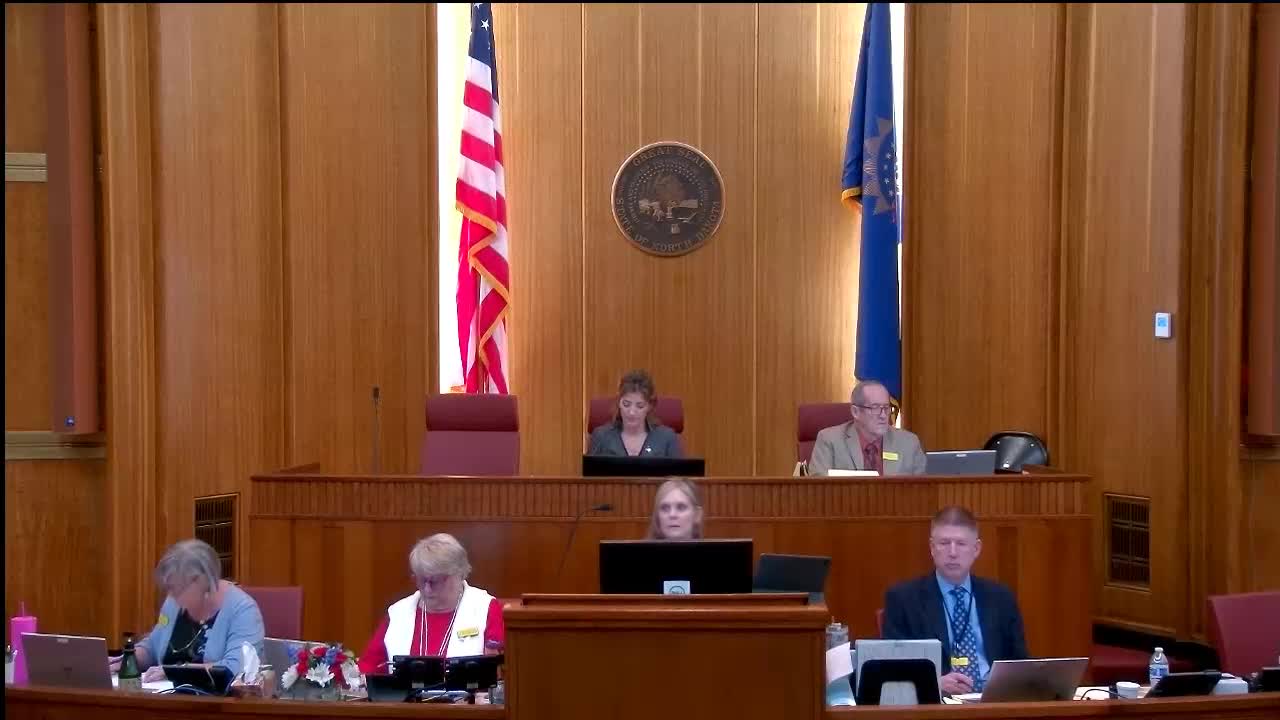
Senate debate and votes took place on the chamber floor during the April 3, 2025 session; senators pressed staff and each other for examples, fiscal estimates and clarifications about who would benefit, how political subdivisions would make up revenue if levies were constrained, and how existing homestead and veterans credits interact with the new primary residence credit.
The bill now proceeds to the enrolled/titling steps required before becoming law or returning to the House for concurrence on Senate amendments if required.