Get Full Government Meeting Transcripts, Videos, & Alerts Forever!
Get email alerts on the Municipal Zoning topic
No spam. Unsubscribe anytime.
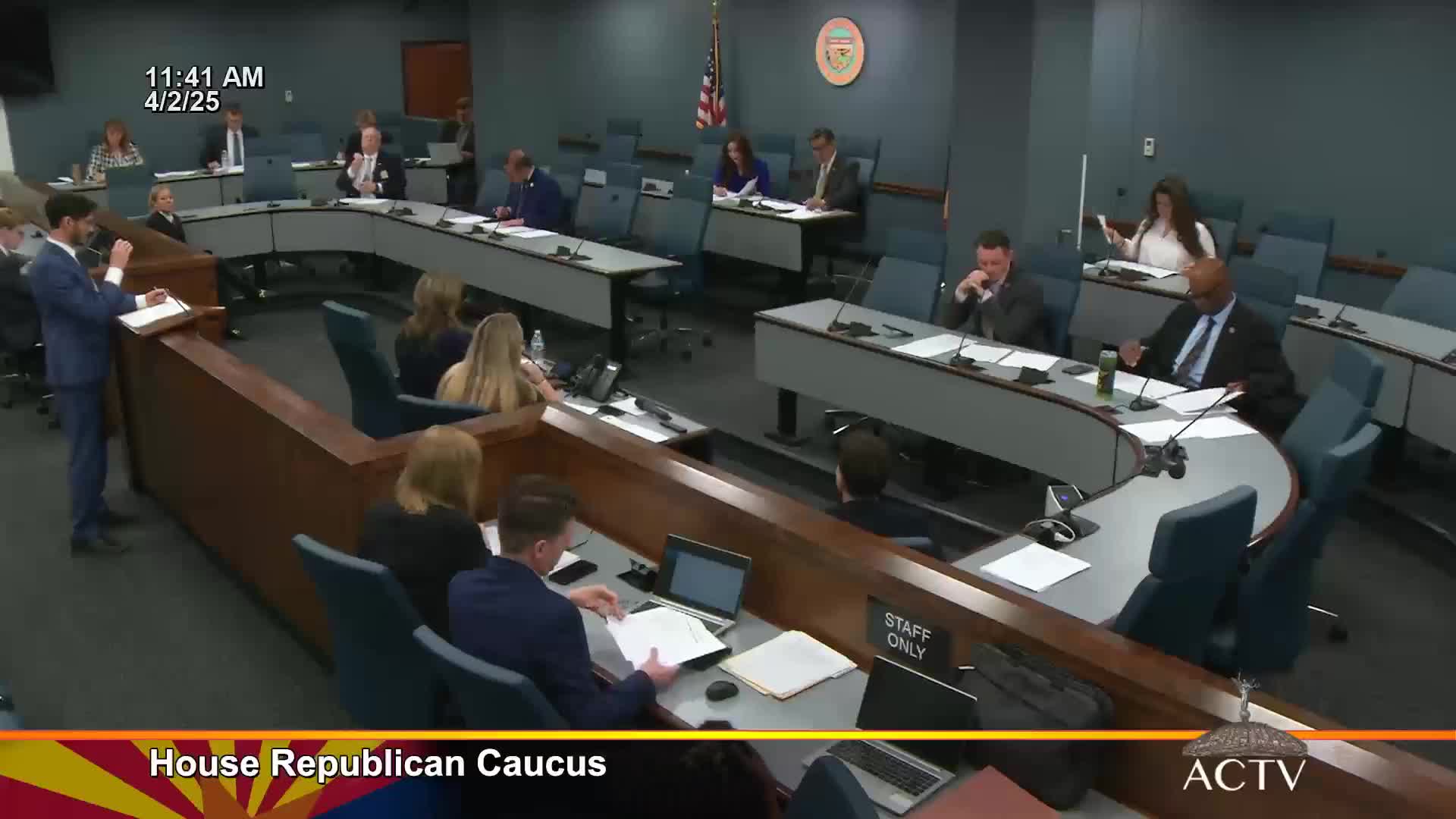
Senate committee debate spotlights state preemption, Scottsdale dispute over hotel and multifamily ancillary uses
Summary
Senate members and legislators debated a bill that would limit municipal zoning discretion for large cities when certain international headquarters campuses seek ancillary hotel or multifamily residential uses.
Senate members and legislators debated a bill that would limit municipal zoning discretion for large cities when certain international headquarters campuses seek ancillary hotel or multifamily residential uses.
The discussion centered on Senate Bill 15-43, which, as explained by committee staff, "requires a municipality of 200,000 or more, but less than 500,000 persons to allow hotel use and multifamily residential housing as an allowed ancillary use in a zoning district that permits light industrial use without requiring any type of application needing a public hearing if the ancillary use is located within an international headquarters campus." Committee staff told members the bill was removed from the third-read consent calendar and was available for questions.
Why it matters: Several legislators said the bill could set a statewide precedent that overrides local zoning control. Representative [Representative Carter] said her Scottsdale constituents oppose the measure because it could "take over the municipality's ability" to set zoning and building codes. She added that Scottsdale has long resisted overdevelopment and that allowing an override would "affect the whole state of Arizona." Representative [Representative Kupfer], a former city council member, said zoning and local control are important and expressed hope that negotiations could produce consensus between the parties involved.
Other members framed the bill as an economic development issue. One lawmaker warned of a potential loss of tax revenue if a company left the state, citing an estimate that the state could lose about $57,000,000 in tax base if a particular company and project did not proceed. Representative [Representative Gillette] characterized the dispute as part of a larger labor and political conflict, saying, "We're all beating around the bush here. We know what this is ... Local 11 union pushing a company out of the state." Several members urged continued negotiation and amendments: "If there's a consensus between the city and the groups involved, that's great," the committee chair said, adding that conversations and changes were expected.
Discussion and next steps: Members repeatedly urged further talks between local officials, the sponsor, and the private parties involved. Chair leadership said the high emotions around the bill should be replaced with policy-focused negotiations, and that the bill as presented was unlikely to be final.
Ending: The committee did not vote on the measure during this session; staff advised members to follow up with the sponsor and continue discussions on amendments and local agreements.