Get Full Government Meeting Transcripts, Videos, & Alerts Forever!
Get email alerts on the Building Operations topic
No spam. Unsubscribe anytime.
Building official flags staffing, inspection and revenue challenges as larger multifamily projects arrive
Summary
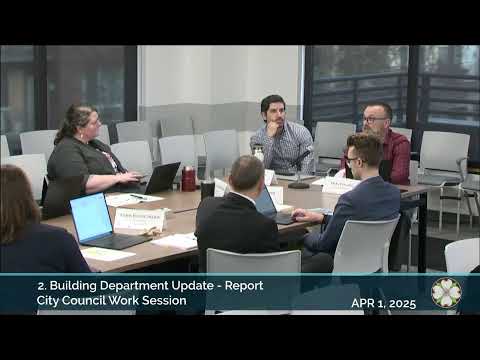
Building Official Patrick McLeod briefed the council on higher inspection demand from large multifamily and mixed‑use projects, the operational impacts of cottage‑cluster housing, a growing reliance on contract inspection services (about $427,000 in FY23‑24), and difficulty recruiting certified inspectors and plans examiners.
Patrick McLeod, building official for the City of Milwaukie, presented an operational update describing rising inspection and plan‑review demand as the city shifts from small residential work to larger multifamily and mixed‑use projects.
McLeod said his division has increased in staff over several years but continues to rely on intergovernmental agreements (IGAs) and contract inspectors to meet state shot‑clock requirements for inspections and plan reviews. He told the council the city spent roughly $427,000 on IGA and contract services in fiscal year 2023–24 and that the division has added internal capacity but still uses third parties for peak workload and specialized checks.
On code‑compliance timelines, McLeod described statutory inspection expectations and said, “we are required to perform inspection services within 1 business day of call,” a requirement that drives the need for reliable inspection capacity. He also said residential plan reviews are expected within 10 working days under state practice and that commercial plan review often requires longer, project‑specific timeframes because of complexity.
McLeod described operational impacts of “cottage cluster” developments (small detached units on a single lot): compared with a single single‑family permit, a six‑unit cottage cluster can generate many more plan reviews and inspections for essentially the same lot footprint, increasing staff workload without a proportional increase in permitting revenue. He reported that some developers have converted cottage‑cluster proposals into townhomes because townhomes can be less administratively and technically burdensome to process and, in some cases, easier to finance and sell.
McLeod noted the division maintains a healthy fund balance but must demonstrate appropriate reserves in the state program reapplication process; state guidance typically allows two years of expenditures in reserve and McLeod said the division’s five‑year surplus could exceed that guideline if not explained during reapplication. He also reported recruiting challenges: recent hiring efforts for inspector positions drew fewer than 20 applicants and the city has had difficulty finding candidates with required certifications.
Councilors asked about tradeoffs between hiring new staff and relying on contracts. McLeod said adding a plans examiner (the higher‑cost position) would reduce third‑party spending more than hiring an entry‑level inspector, but both roles are difficult to recruit. He asked the council for latitude to continue using contracts selectively while the city rebuilds in‑house capacity.
McLeod closed by saying he would return with follow‑up updates and additional prospective staffing and budgeting detail; he offered to present again in several months to show progress and next steps.
Ending: Council thanked the building division for the overview and asked staff to return with more details on recruitment, forecasts of inspection demand tied to known projects, and options for addressing the surplus/reserve question during the state program renewal process.