Get Full Government Meeting Transcripts, Videos, & Alerts Forever!
Get email alerts on the Labor Negotiations topic
No spam. Unsubscribe anytime.
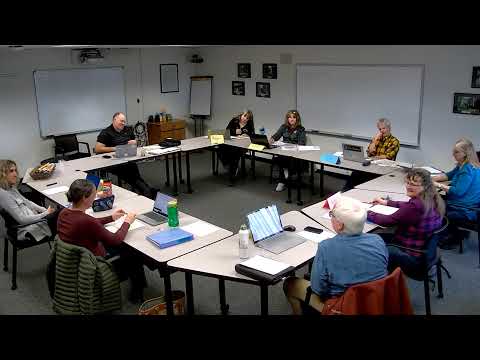
Moscow School District negotiators set agenda; staff safety, pre‑K caseload among top priorities
Summary
Members organizing Moscow School District bargaining issues agreed on an order of topics to bring to the next meeting, prioritizing staff safety, pre‑K caseload caps, and compensation and benefits items while asking staff to draft clarifying language for parental leave and extracurricular pay.
Moscow School District negotiators agreed on an ordered list of bargaining items and tasks to take to their next meeting, placing staff safety, pre‑K caseload caps and compensation issues among the earliest priorities. No formal votes were recorded; members arranged topics and assigned follow‑up work and drafting responsibilities.
The committee said it will present the first six items at the next meeting and will carry remaining items forward as needed. The first six items they listed for the next agenda are: ancillary language tweaks (including a proposal to change parental‑leave wording from “should” to “must”), pre‑K caseload caps, compensation for work without pay, unpaid sick‑leave deduction language, staff safety, and compensation for certified staff who substitute for teachers. Later items on the list include certified support‑staff roles, family leave clarifications, a proposed rewrite of the reduction‑in‑force (RIF) process, educational attainment and salary placement, family insurance costs, and salary and benefits.
Why it matters: the topics touch core bargaining subjects — pay, benefits, staffing and safety — that affect district employees and students. Several items will require concrete numbers or drafted language before negotiators can reach agreement, and some changes (for example, pay and insurance) may have budget implications.
What members discussed and asked staff to do
- Parental leave wording: Committee members discussed changing the parental‑leave phrase from “should” to “must” in the negotiated language to ensure clarity and consistent application. A staff speaker said, “We would propose that it just says must,” and members agreed to have specific language drafted for the next meeting. This was discussed as ancillary language tied to MEA family‑leave language.
- Certified support staff and new positions: Members reviewed recently added certified support positions such as educational‑technology specialists and behavioral interventionists. A staff presenter said white papers for those positions were produced and noted the white papers had not yet been revisited; the committee asked to compare those positions against other staffing options and budget impacts.
- Extracurricular pay and administrative process: Members discussed earlier changes to how extracurricular pay is distributed and asked for clarifying language about who has final authority to change percentages (for example, AD, principal or superintendent) and how staff will be notified and must sign off if their pay changes from what is listed in the negotiated agreement.
- Family insurance costs: A staff presenter reported that 58% of respondents to a district survey do not enroll children or spouses in the district plan, and that many attributed this to high cost. The committee asked staff to bring numbers and details for future discussion.
- Reduction‑in‑force (RIF) process: Members said they want to overhaul the district’s RIF procedures during a non‑crisis period so that implementation would be clearer and less confusing if a reduction is ever required. Several members suggested drafting concrete policy language now rather than improvising during a crisis.
- Pre‑K caseload caps: The committee noted that existing negotiated caps specify caseloads for various classrooms but do not list a cap for the developmental preschool; members said that omission should be corrected for equity and asked for language to include a pre‑K cap in the negotiated agreement.
- Staff safety: Committee members raised growing concerns about student behavioral and mental‑health issues and inconsistent safety protocols across buildings. A staff presenter said Moscow High School had experienced two school‑shooter threats in the past two years, one of which led to a two‑hour lockdown. Members asked for a more consistent districtwide training and protocol approach.
- Work without compensation, unpaid sick leave and subbing pay: The committee discussed writing explicit language into the negotiated agreement to clarify when unpaid sick leave is deducted, when staff may be expected to work beyond contracted hours without pay, and payment for certified non‑teaching staff (for example, counselors or librarians) who substitute for classroom teachers. Members noted that teachers currently receive $25 when they give up prep time to sub and said the agreement should address parity for other certified staff.
Next steps and process notes
Committee members agreed to place multiple items on the next meeting’s agenda, noting they would not be required to finish all items in one session and could roll items forward. Members asked staff to draft suggested language on parental leave and extracurricular pay notification and to bring numerical detail for family‑insurance and salary items. Several members recommended addressing some “cloudy” or big‑picture items (for example, broader staffing strategy) earlier so the group had time to refine proposals before later meetings.
No formal motions or final decisions were recorded in the transcript. The meeting concluded with members confirming the next meeting date and with logistic assignments for distributing meeting materials.