Get Full Government Meeting Transcripts, Videos, & Alerts Forever!
Get email alerts on the Private Family Burial Grounds topic
No spam. Unsubscribe anytime.
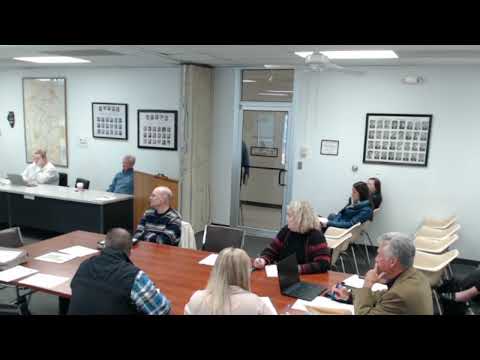
Iroquois County committee weighs rules for private family burial grounds on private land
Summary
The Tax Planning & Zoning Committee discussed whether to allow and how to regulate private family burial grounds on private property, reviewed steps required by Illinois state agencies and agreed to seek legal guidance and follow-up with the state comptroller and other agencies.
The Iroquois County Tax Planning & Zoning Committee discussed whether to allow private family burial grounds on private property and what steps the county should require if it does.
Committee members heard that Illinois law requires families who want an exempt family burial ground to register with the Illinois Office of the Comptroller and to coordinate with state regulators; the county would issue a letter stating the county allows the burial ground if the state application is completed. Committee members and staff emphasized that the Illinois Department of Professional Regulations and the local health department must also be involved where wells and septic systems are near a burial site.
The discussion centered on two main choices: decline to allow private burials on private property (which would remove local permitting burdens), or adopt a county process requiring registration and documentation so burial sites are recorded and not discovered unexpectedly decades later. Committee members asked staff to gather legal opinions, draft a consistent county registration checklist, and confirm whether townships have responsibilities under state law. An official present said the state comptroller’s office will issue a certificate of completion when the state’s process is followed and that funeral homes should not proceed with burials until the state certificate is provided.
Committee members noted several practical requirements described by state staff: a named burial site and precise location (including a 9-1-1 address and latitude/longitude), ownership documentation, and observance of setbacks from wells and septic systems (the committee cited a rule of roughly 200 feet from wells/septic as a point to check with the health department). Members also discussed whether previously allowed burials should be “grandfathered” or required to complete the state process; that issue will be part of the legal review.
No formal ordinance change was adopted at the meeting. The committee directed staff to contact the state comptroller’s office and the Illinois Department of Professional Regulations, to consult the county attorney, and to return with written options and recommended language for a county policy or ordinance.
The committee also discussed outreach: if the county decides to allow private family burial grounds, staff recommended publishing instructions and a checklist citizens and funeral directors can use to complete the state process and to secure a 9-1-1 address for the site.
Ending: Staff will report back with legal guidance and draft wording for a county process at a future meeting; no motion to adopt county-level rules was made at this meeting.