Get Full Government Meeting Transcripts, Videos, & Alerts Forever!
Get email alerts on the Land Use Traffic topic
No spam. Unsubscribe anytime.
Robinson council moves traffic-impact standards into subdivision code, removes inspection fee
Summary
The Robinson City Council approved an ordinance shifting traffic-impact analysis standards from the site development code into the subdivision code, exempting projects already in active phases and removing a now-prohibited 1% subdivision inspection fee.
The Robinson City Council on April 8 approved an ordinance moving traffic impact analysis (TIA) standards into the city’s subdivision regulations and removing a statutory inspection fee the city can no longer charge.
City staff said the change takes TIA standards the council approved last month in the site development code and embeds them in Appendix B, Part 5 of the subdivision code, so residential subdivisions will be subject to the traffic rules. Craig, a city staff member who presented the ordinance, said the measure adds an exemption for residential developments already under construction or in later phases — projects such as La Cordera and Harris Village were cited as examples — and that the exemption would vanish if a developer increases the approved lot count or had an alternate PDD condition previously approved by the council.
The ordinance also removes a 1% inspection fee for subdivision construction after recent state law changes prohibit that charge. Craig told the council the inspection-fee removal is a Scrivener correction needed to comply with state law.
Why it matters: shifting TIA standards into the subdivision code makes those traffic-review requirements automatically apply to new residential subdivision plats, affecting how developers evaluate road impacts and mitigation. The exemption for developments already permitted in phased construction means projects currently under way will generally not be retroactively required to meet the new TIA thresholds unless they alter their approved scope.
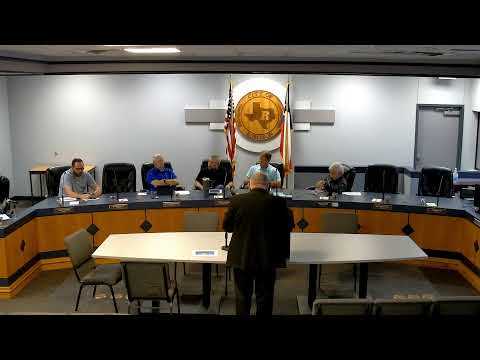
Council action: The council opened a public hearing on the ordinance, heard staff explanation, closed the hearing and approved the ordinance by voice vote. The motion passed by voice; no roll-call vote tally was recorded in the meeting minutes.
Context and next steps: City staff said the new TIA language mirrors the standards the council approved last month for site development rules; the change is intended to centralize traffic-review requirements in the subdivision chapter. Councilmembers asked clarification questions about when the exemption applies; staff replied that it covers projects that are in phased construction and are “winding out” but will not apply where the developer increases lot counts beyond originally approved numbers or when a site-specific planned-development (PDD) condition already sets different requirements.