Get Full Government Meeting Transcripts, Videos, & Alerts Forever!
Augusta City Commission approves wastewater contract extension, accepts energy-efficiency rebates and approves multiple licenses and budget items
Summary
The Augusta City Commission on April 1 approved a five-year extension to its wastewater operations contract with ESG Operations Inc., accepted an energy-efficiency rebate presentation from Georgia Power, and approved multiple alcohol licenses plus funding and capital items including senior nutrition and emergency rental assistance.
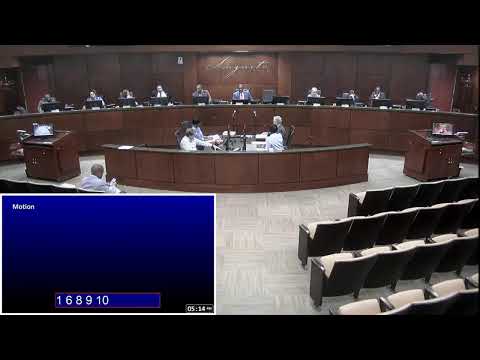
The Augusta City Commission on April 1 approved a five-year extension to the city’s contract with ESG Operations Inc. to operate wastewater treatment facilities, accepted a presentation and token rebate from Georgia Power for energy-efficiency upgrades, and approved multiple alcohol licenses and several funding and capital items including a $381,000 short-term allocation for the senior nutrition program.
The commission also authorized disbursement of $6,542,779.64 in U.S. Treasury emergency rental assistance following an executive session and cleared an item to purchase sanitary sewer improvements near the municipal golf course for up to $700,000 payable over five years.
Why it matters: The wastewater contract extension preserves continuity of operations at a regional wastewater system that serves most of Richmond County, including Fort Eisenhower and parts of adjacent jurisdictions. The energy-efficiency work and rebate reduce operating costs for city buildings; the rental-assistance allocation directs federal funds to housing stability programs; and the alcohol-license votes affect downtown businesses and neighborhood concerns.
Wastewater contract and regulatory context
Director Daryl Bynes, Augusta utilities director, told the commission the city is negotiating a proposed consent order with the Georgia Environmental Protection Division and that the draft has not been finalized or released publicly. Bynes said the James B. Messy wastewater treatment plant had items noted in a routine EPA inspection but that most issues were “relatively minor” and that the plant had been in compliance for 59 of the last 60 months.
Bynes and ESG representatives described the primary clarifiers — equipment that removes solids from wastewater — as damaged in some units. Dan Grisell of ESG, whose corporate office is in Macon, said heavy rains and material sent into the sewer system have contributed to wear and the accumulation of grit that overwhelmed headworks during storm events. Bynes said ESG will manage repairs and that the city has budgeted capital items to…
Already have an account? Log in
Subscribe to keep reading
Unlock the rest of this article — and every article on Citizen Portal.
- Unlimited articles
- AI-powered breakdowns of topics, speakers, decisions, and budgets
- Instant alerts when your location has a new meeting
- Follow topics and more locations
- 1,000 AI Insights / month, plus AI Chat