Get Full Government Meeting Transcripts, Videos, & Alerts Forever!
Get email alerts on the Food Truck Ordinance topic
No spam. Unsubscribe anytime.
Draft food-truck rules prompt debate over fees, designated spaces and enforcement
Summary
Council reviewed a draft food-truck ordinance April 1 that would allow trucks in designated public spaces or on private property with written consent but left open questions on fees, designated locations and enforcement roles.
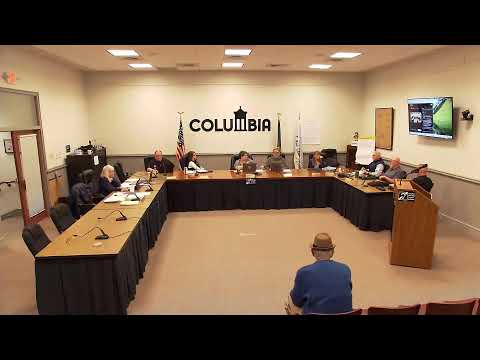
Council members spent more than an hour on a draft ordinance to regulate food trucks and mobile food vendors, focusing on permitted locations, permitting structure, health and vehicle inspections, enforcement responsibility and fees.
Key proposal elements: the draft would allow trucks to operate in designated public spaces or on private property with written owner consent provided they do not obstruct traffic, pedestrian paths or emergency access. It would require proof of compliance with federal, state and local health and safety requirements and a current vehicle/trailer inspection certificate. The draft also limits truck operations to between 7 a.m. and 10 p.m. unless otherwise approved and would prohibit unattended parking at a single public location for more than four hours in a 24-hour period.
Council and staff questions centered on three practical issues:
- Designated public spaces: Council asked whether planning or the borough should identify designated zones and whether special events handled via the facility-use process require a separate food-truck application. Staff said designated locations would be set through the borough's planning or facility-use processes; council asked staff to add language clarifying the approval path.
- Permits and fees: The draft proposed a $50 annual permit, but police and staff said a per-event or per-day fee is standard in comparable municipalities and that an annual fee discouraged participation in an event where organizers charge a modest site fee. Staff recommended moving fee numbers into the borough fee schedule and treating event fees separately (per-event or per-day), which would allow the borough to adjust amounts without an ordinance amendment. One councilmember said a one-time or per-event approach is preferable for fairness and to retain small food-truck vendors.
- Inspections and enforcement: The draft names code enforcement and police as enforcement authorities; staff said the codes department would check compliance with food-safety and trailer inspection rules and a contracted health inspector is already available to perform inspections on request. Council asked staff to draft enforcement language that specifies roles for codes and police and to add trailer/vehicle-inspection language referencing current Pennsylvania vehicle-inspection certificates for compliance verification.
Other points raised: transient vending permits (used elsewhere in the borough) can cover temporary vendors for limited durations; staff noted a typical transient permit period is up to 60 days and suggested the draft should clarify how transient permits and food-truck permits interact. Council also flagged that fee levels can affect participation at borough events: staff said a recent event lost 50% of expected food-truck participants when the event charged a $35 fee, so an excessively high permit fee risks reducing vendor participation.
Council asked staff to refine the draft, remove specific fee amounts from the ordinance text and return with clearer language on designated locations, permit types (per-event vs annual), vehicle/health inspection certificates and enforcement authority.